

Newsdetail
Mastering structural change with international specialists
The German University Consortium for International Cooperation (DHIK) was a guest at the HSCG for the Science and Industry Forum 2026.
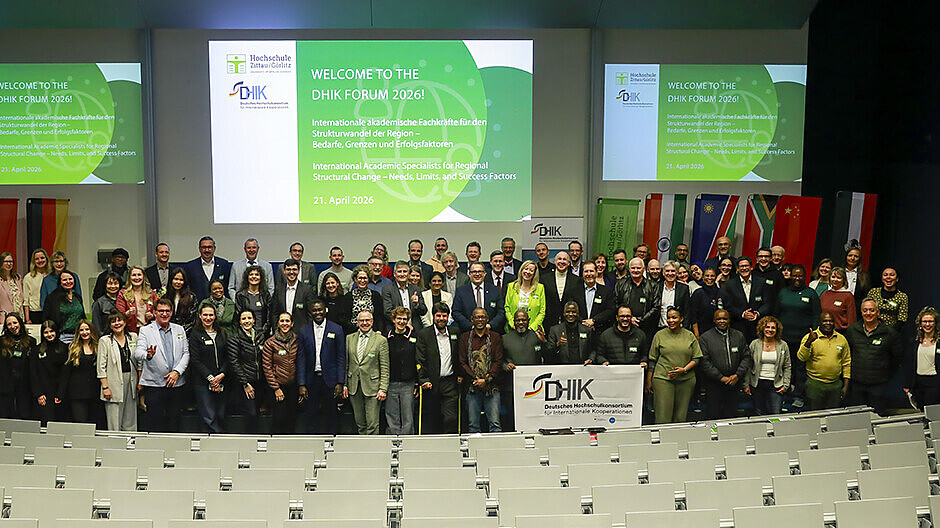
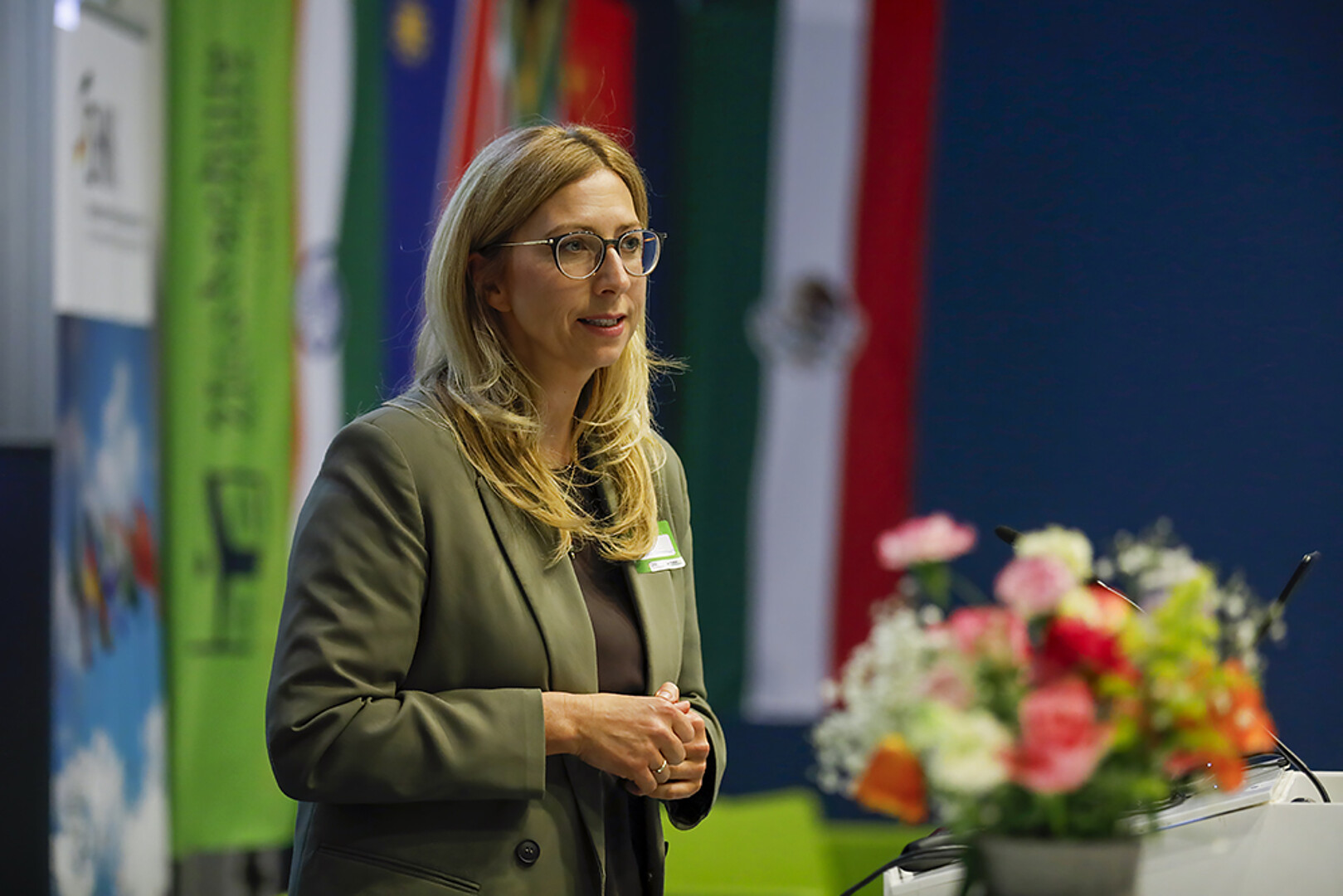
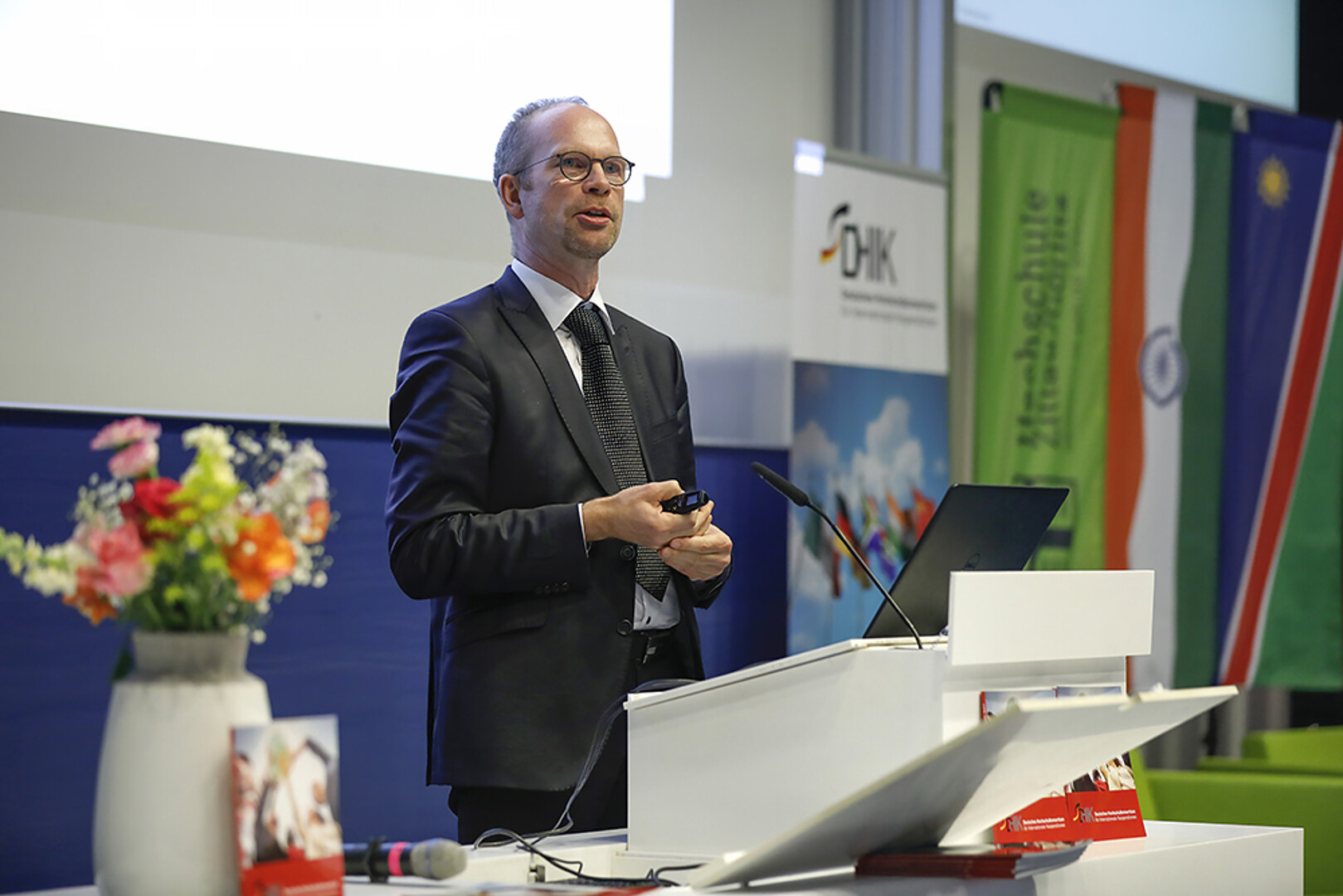
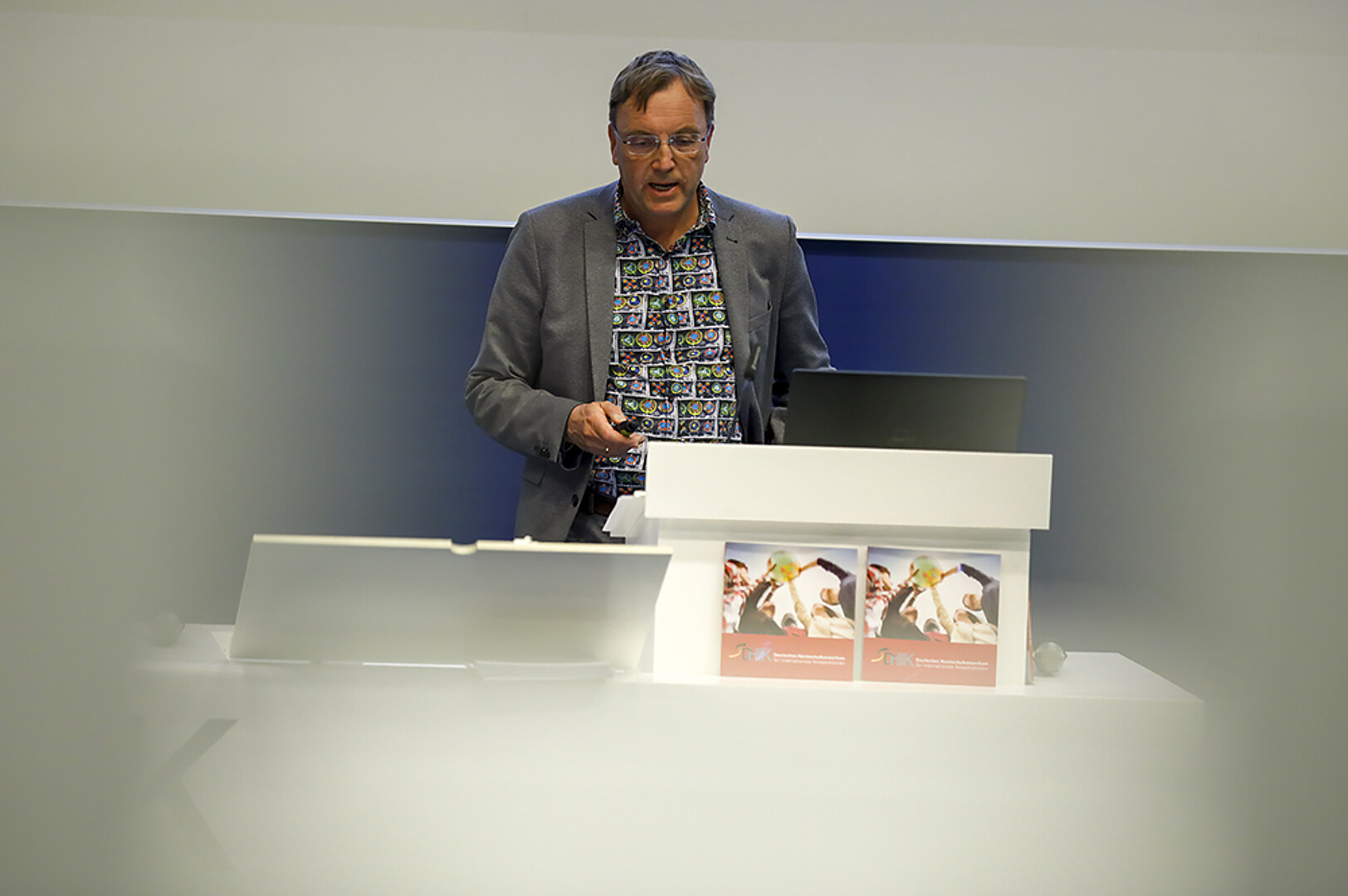
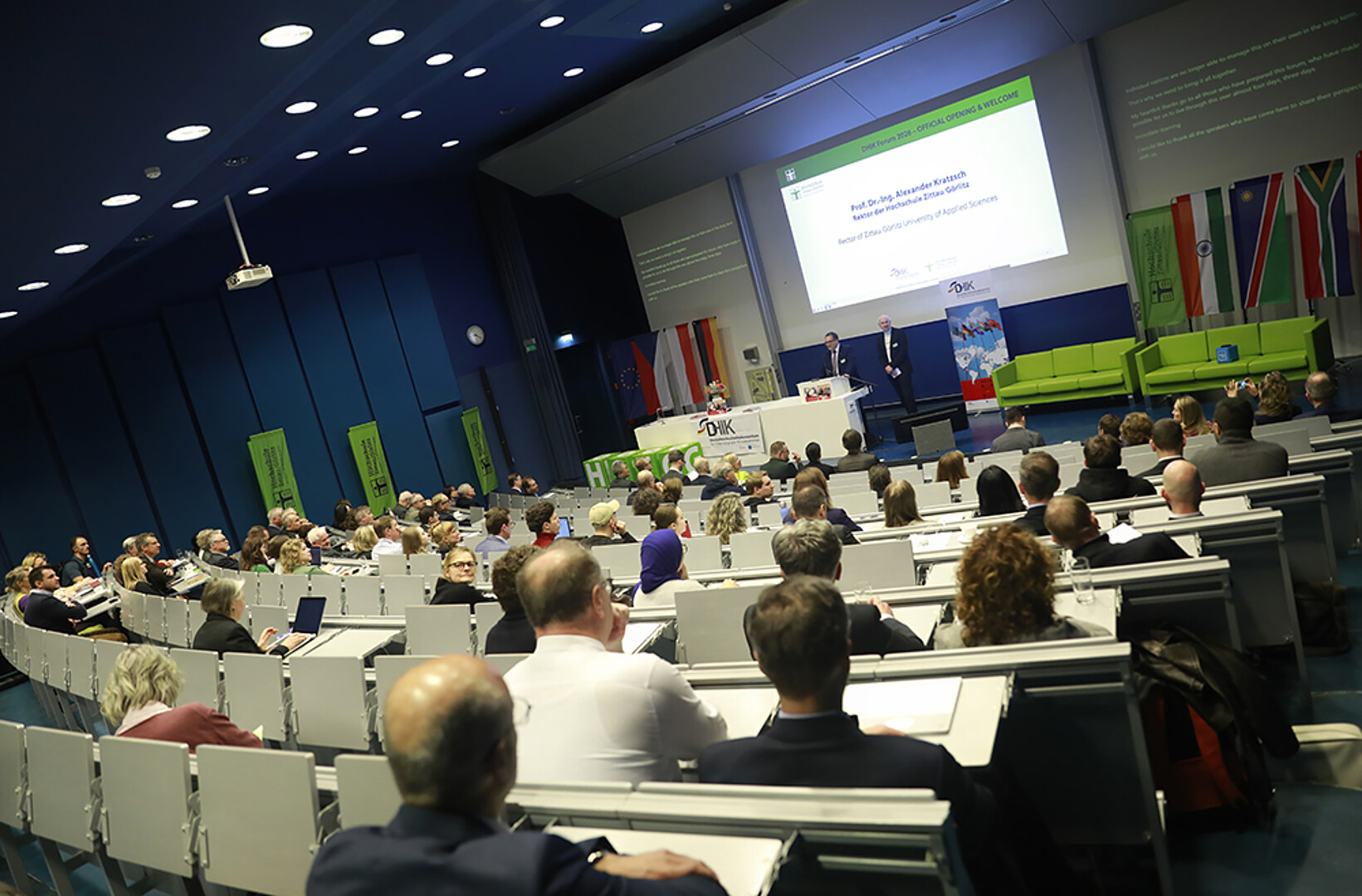
International professionals are a crucial factor in the structural transformation of Upper Lusatia. How to successfully attract, integrate, and retain them in the long term was the focus of a high-profile academic and industry forum at the Zittau/Görlitz University of Applied Sciences (HSZG), which was part of a multi-day series of events.
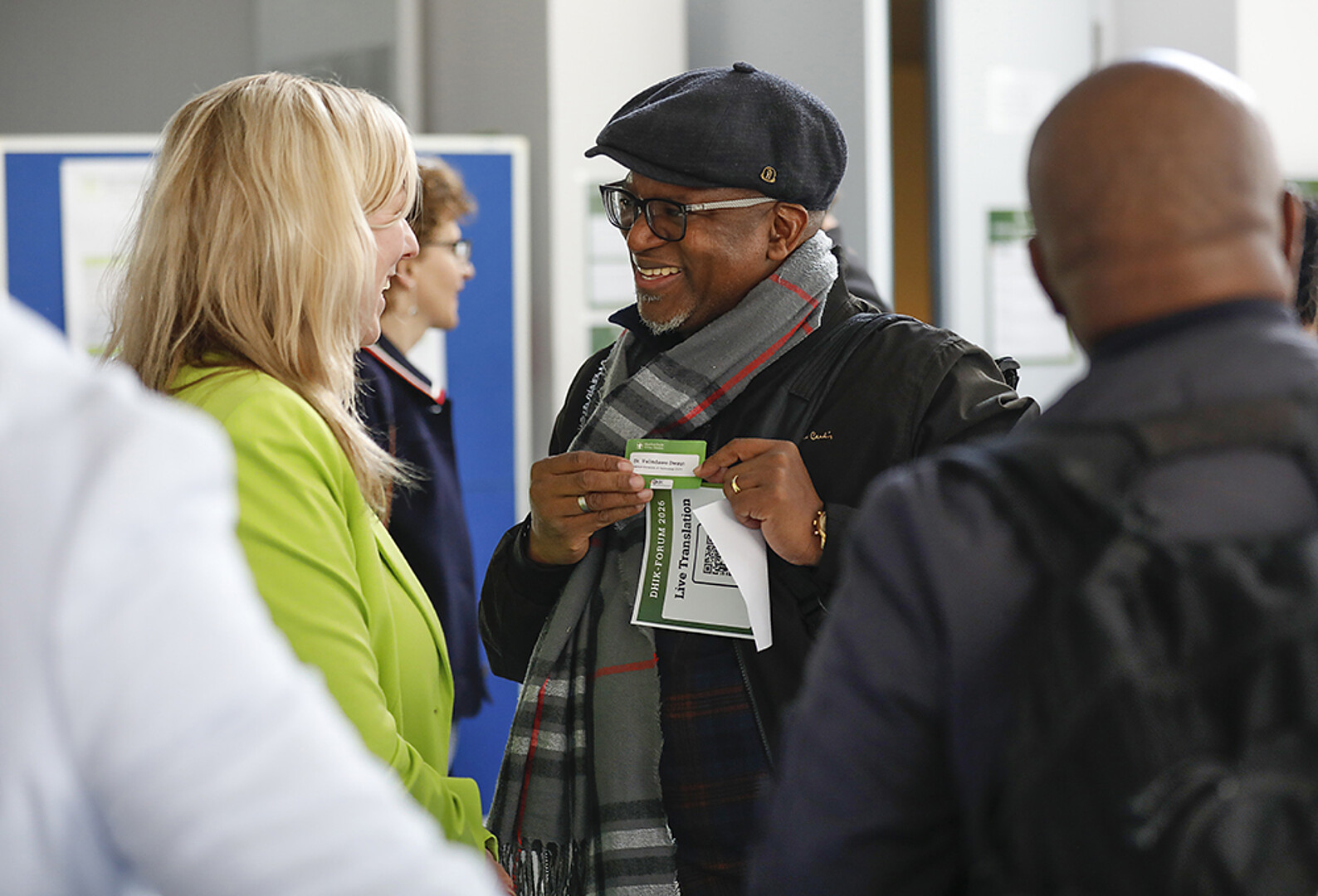
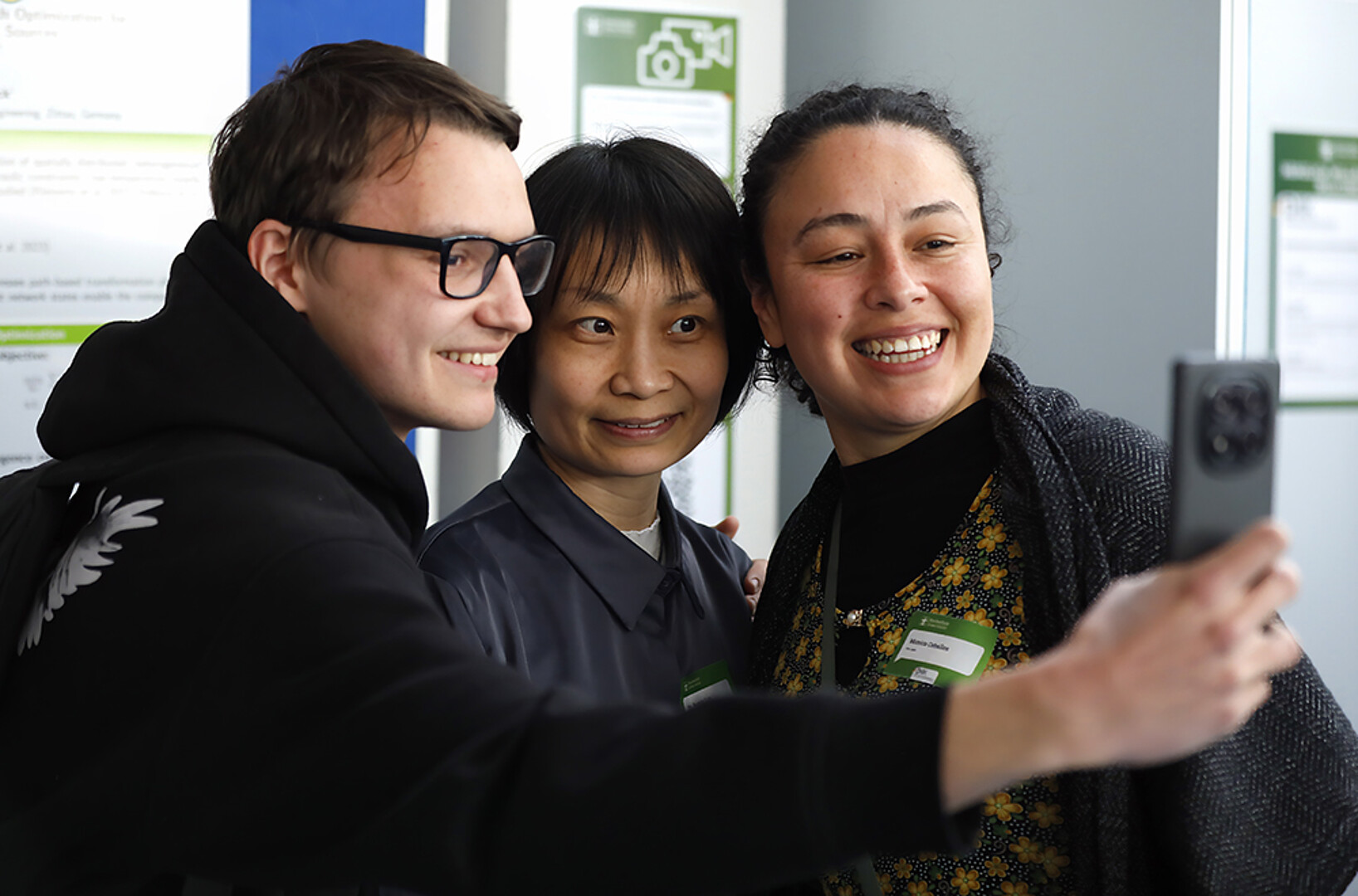
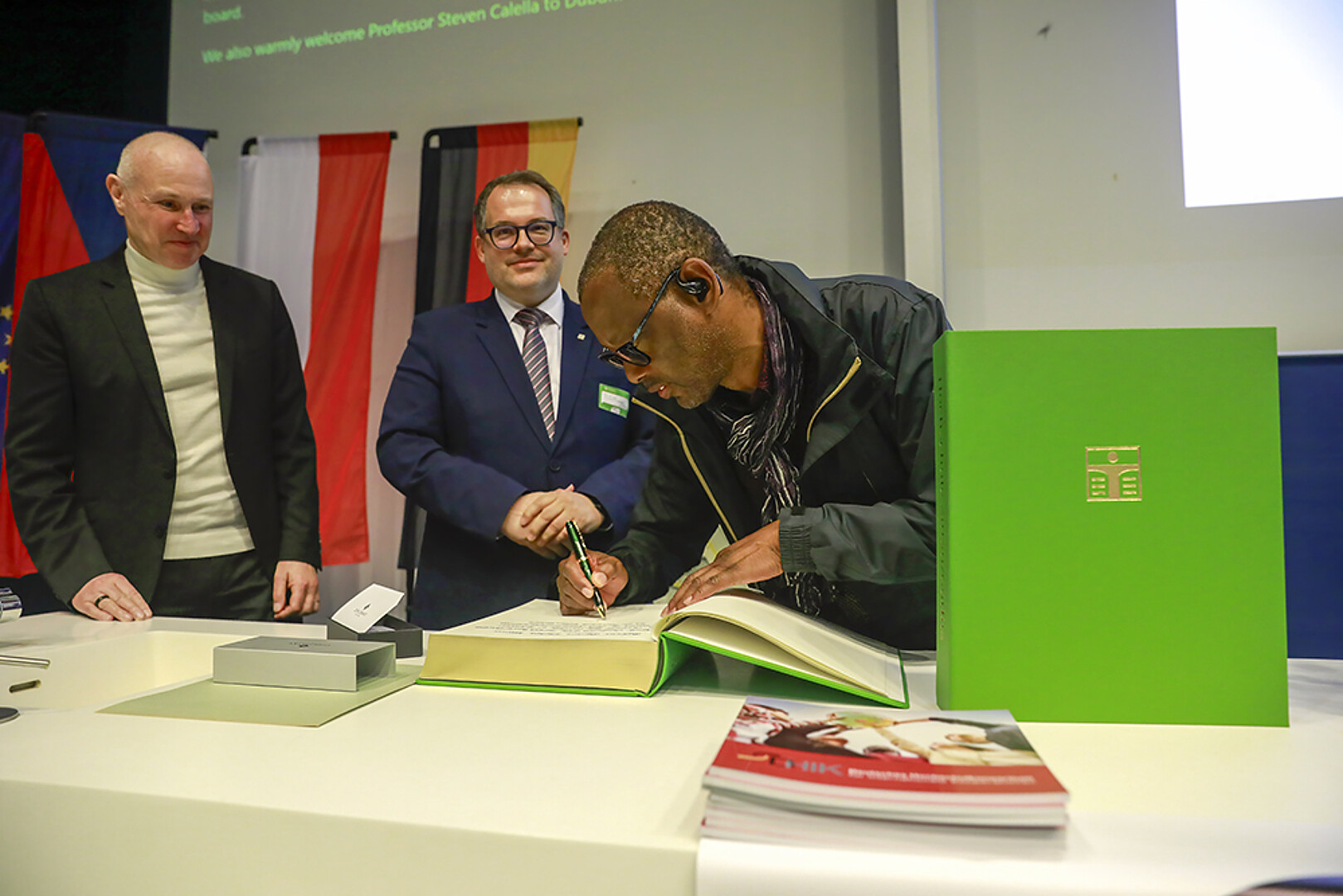
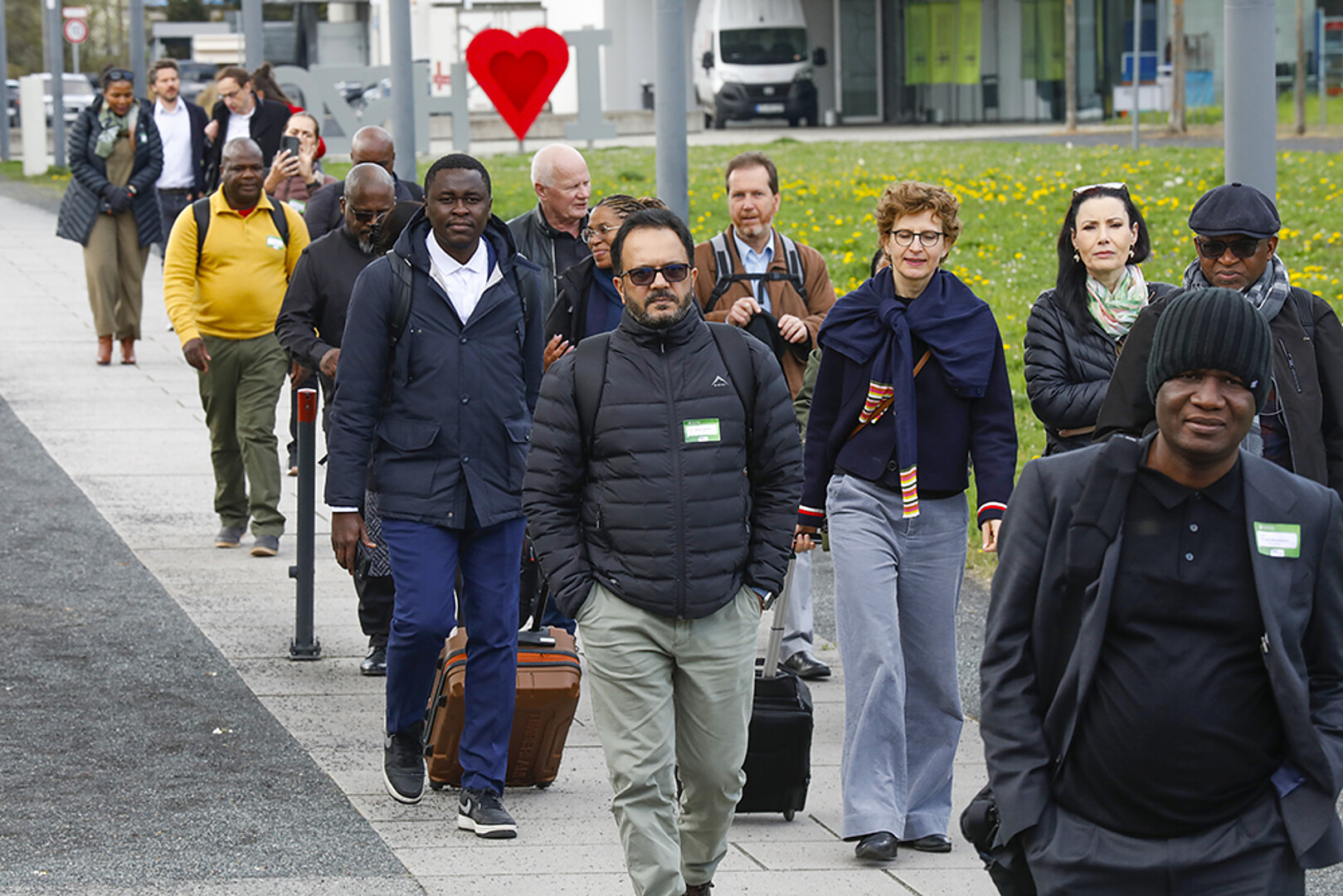
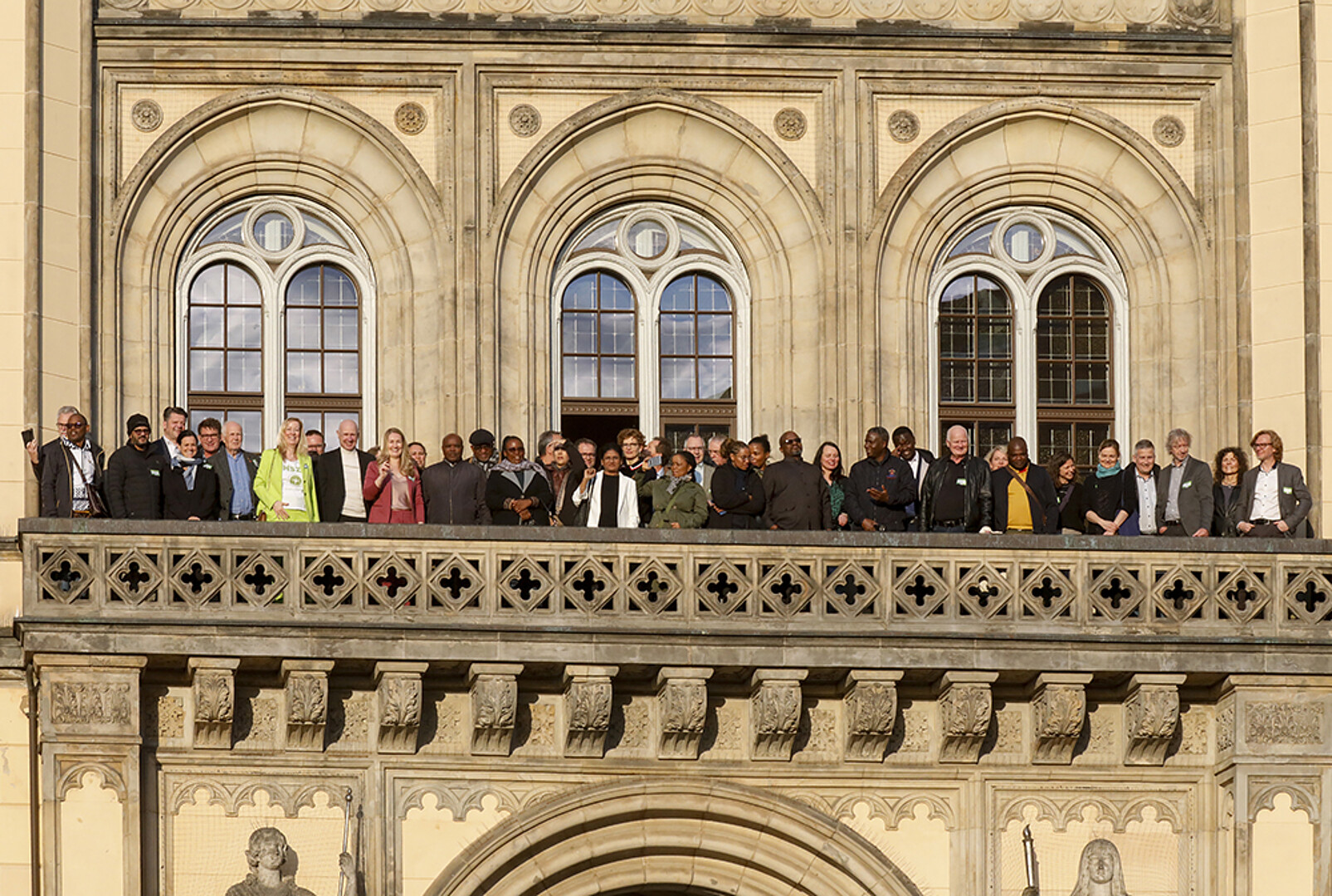
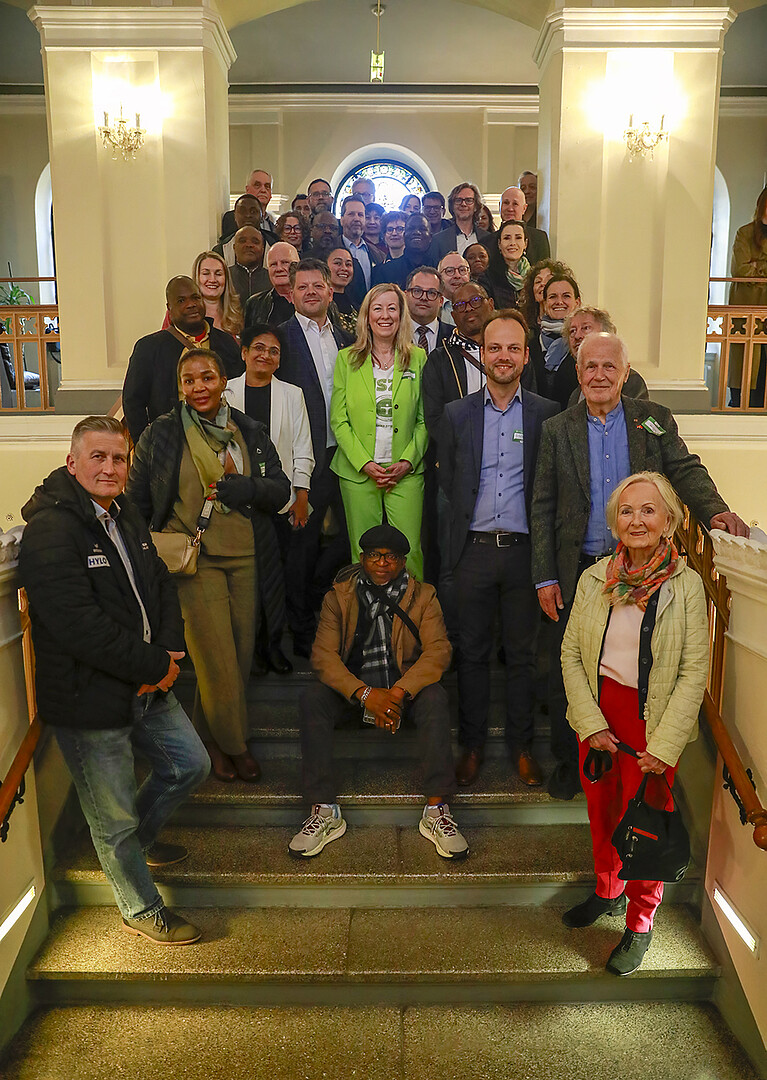
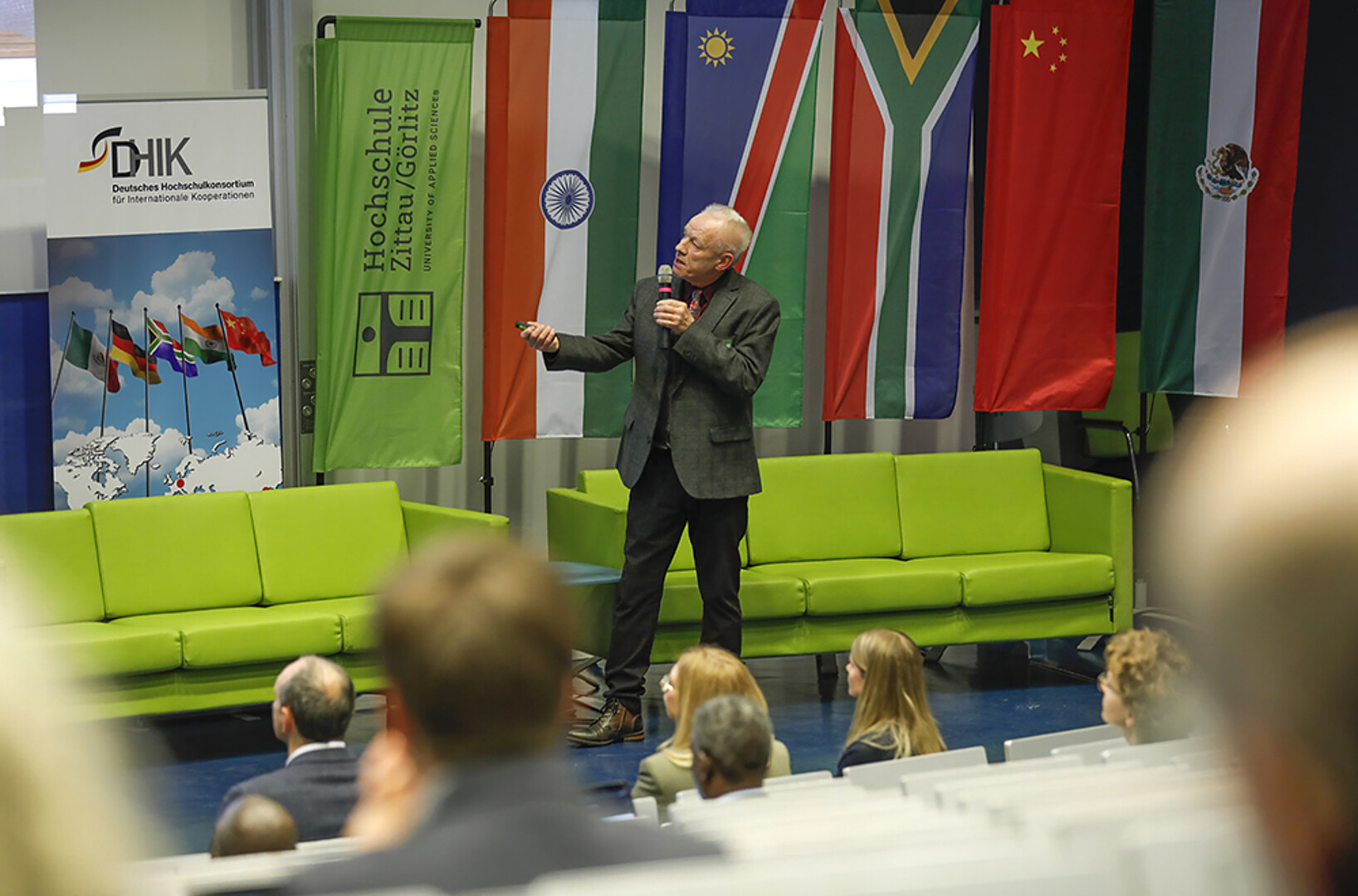
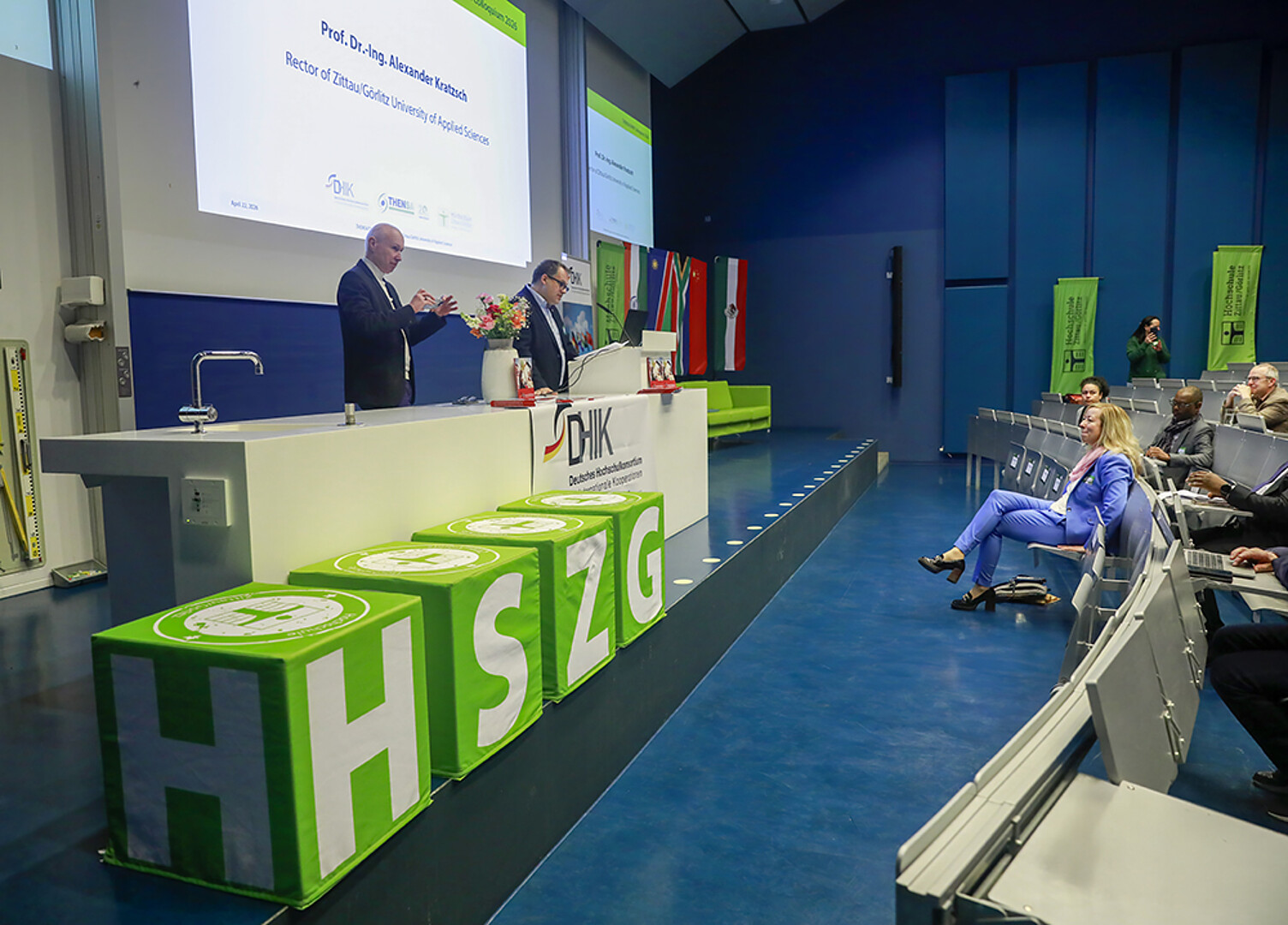
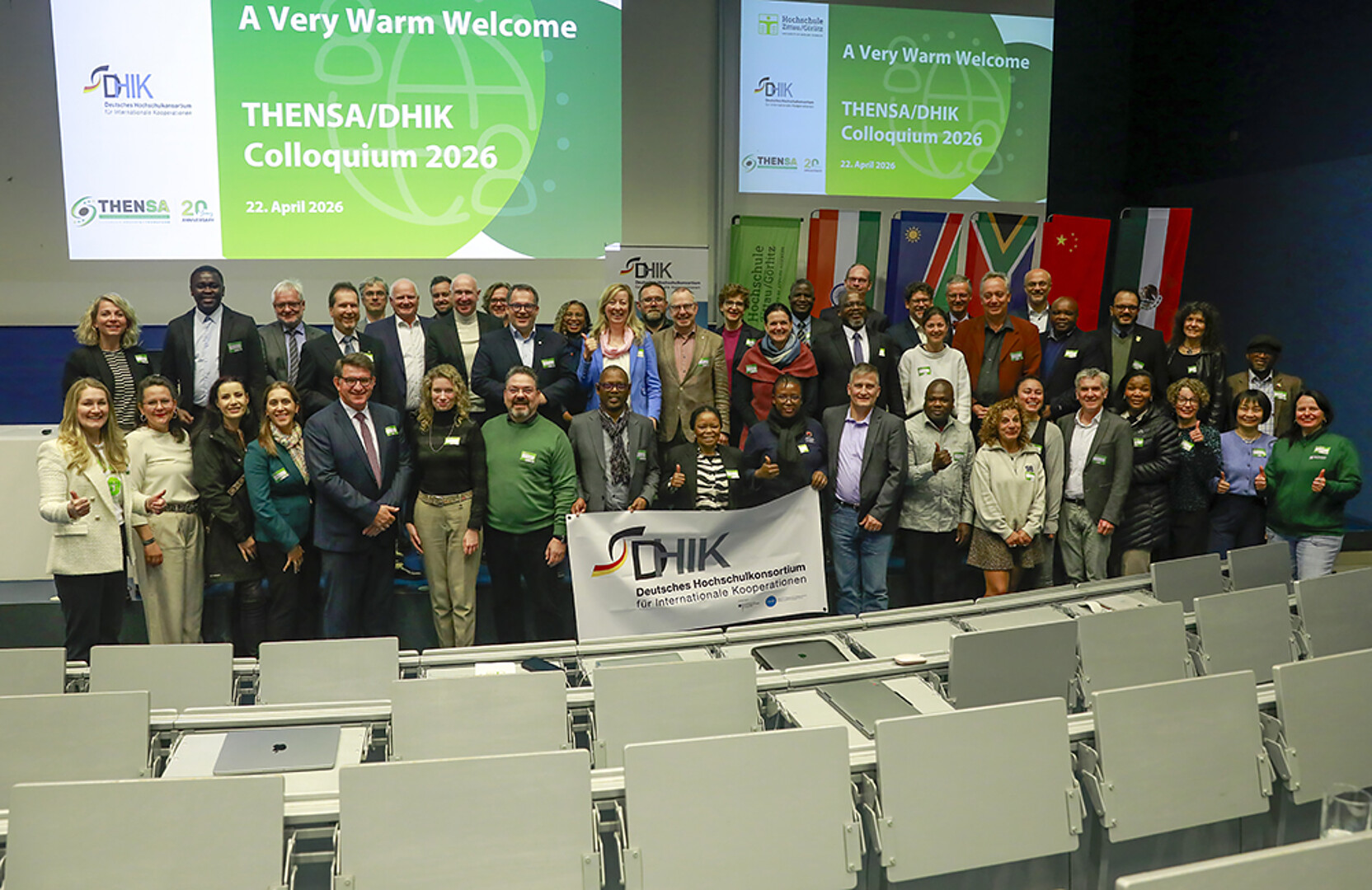
From April 19 to 22, 2026, representatives from politics, academia, business, and international organizations gathered in Zittau for the event. The event was hosted by HSZG in collaboration with the German University Consortium for International Cooperation (DHIK), which promotes global higher education partnerships in countries including China, Mexico, India, and South Africa. A particular highlight was the participation of a delegation from the Technological Higher Education Network South Africa (THENSA).
The DHIK as a guest at the HSZG
Discussions on Skilled Workers, Innovation, and Transformation
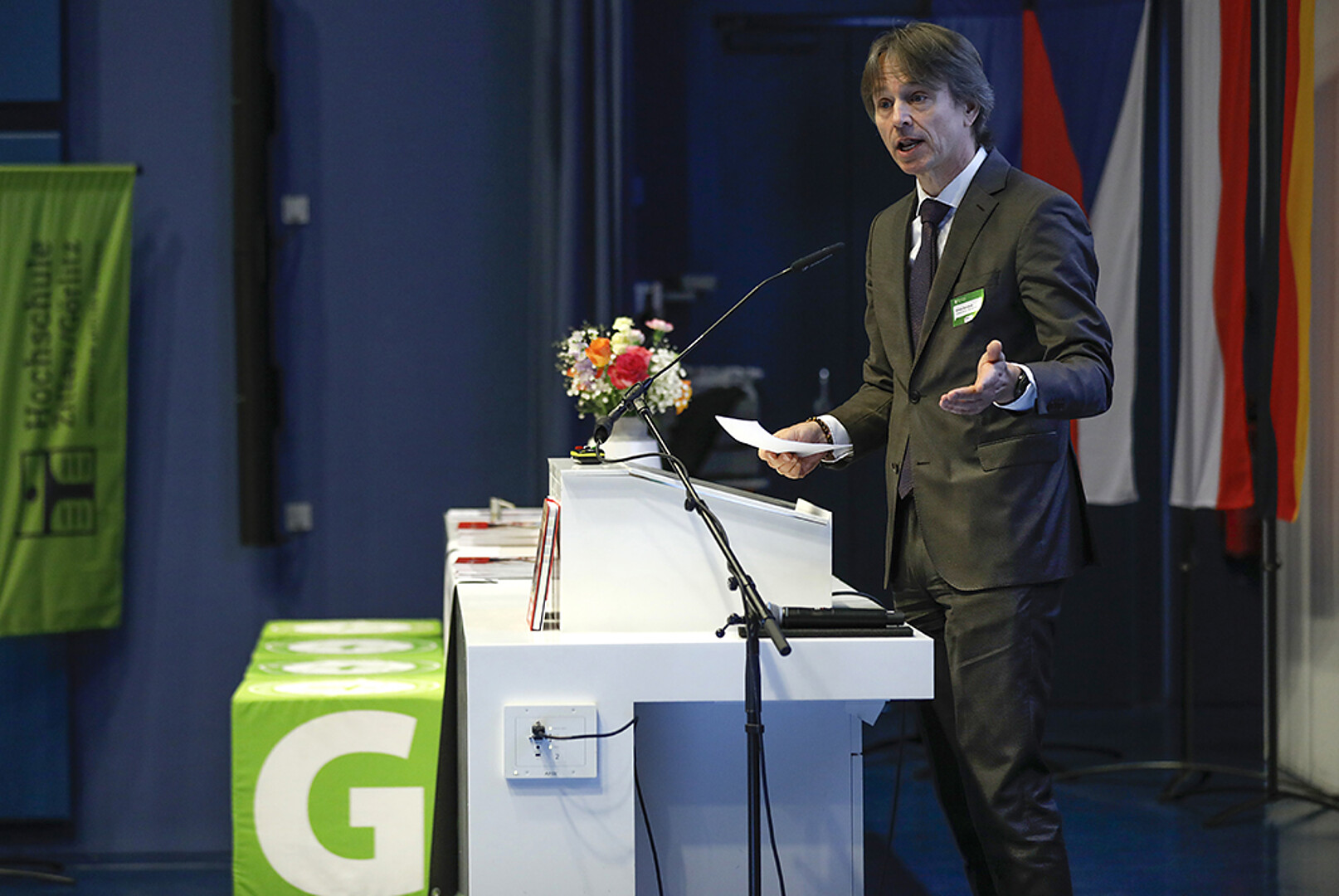
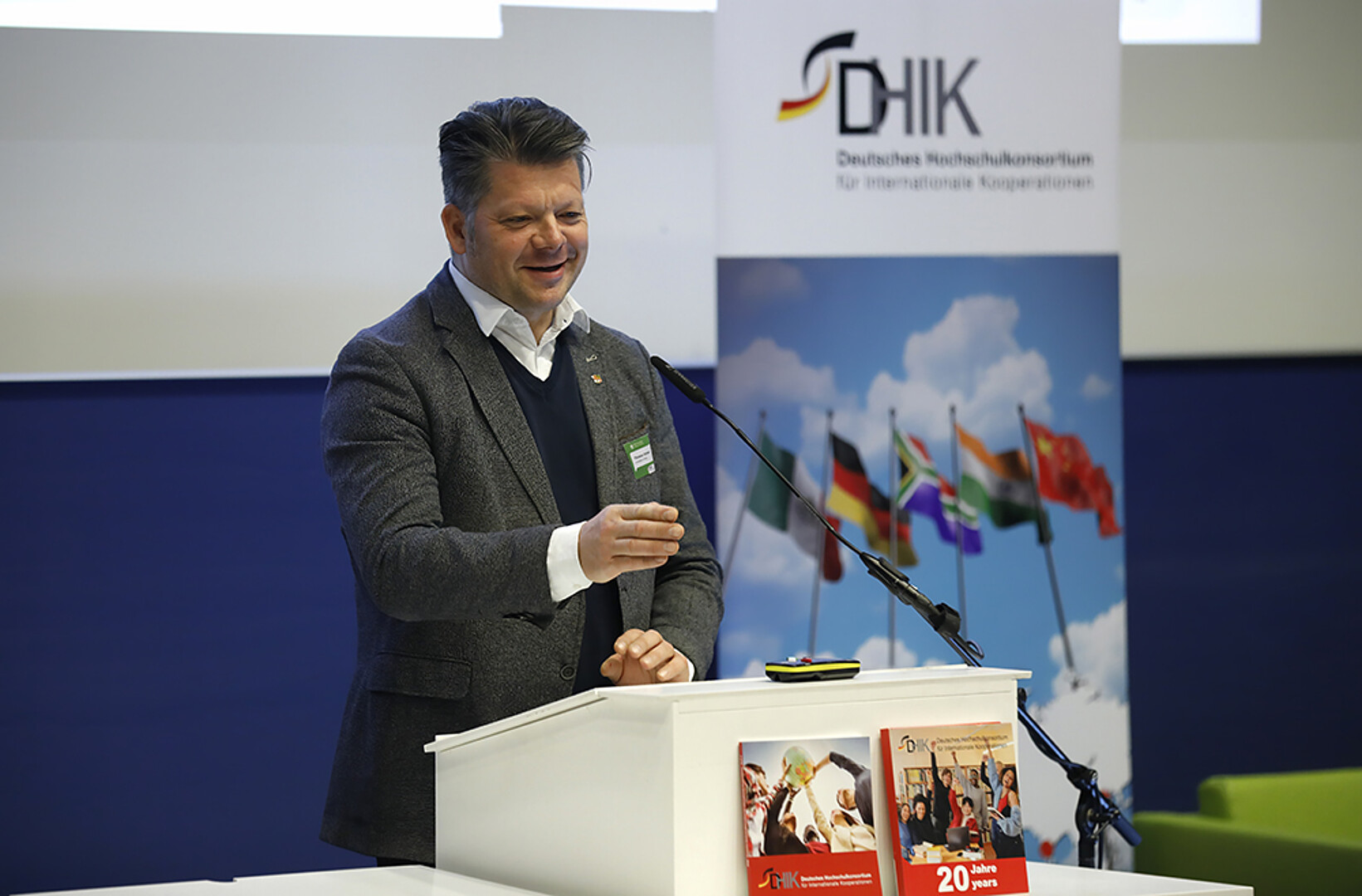
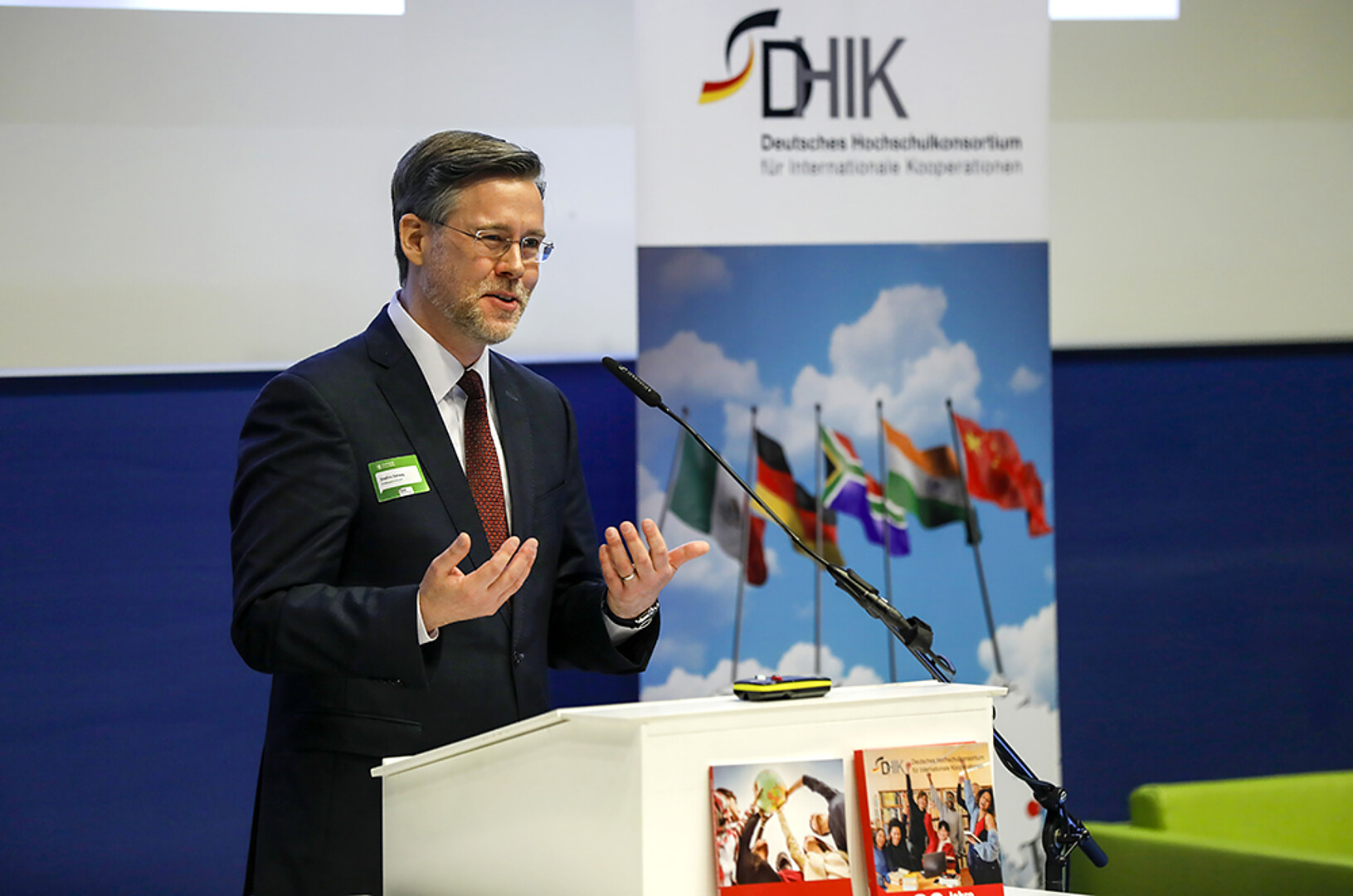
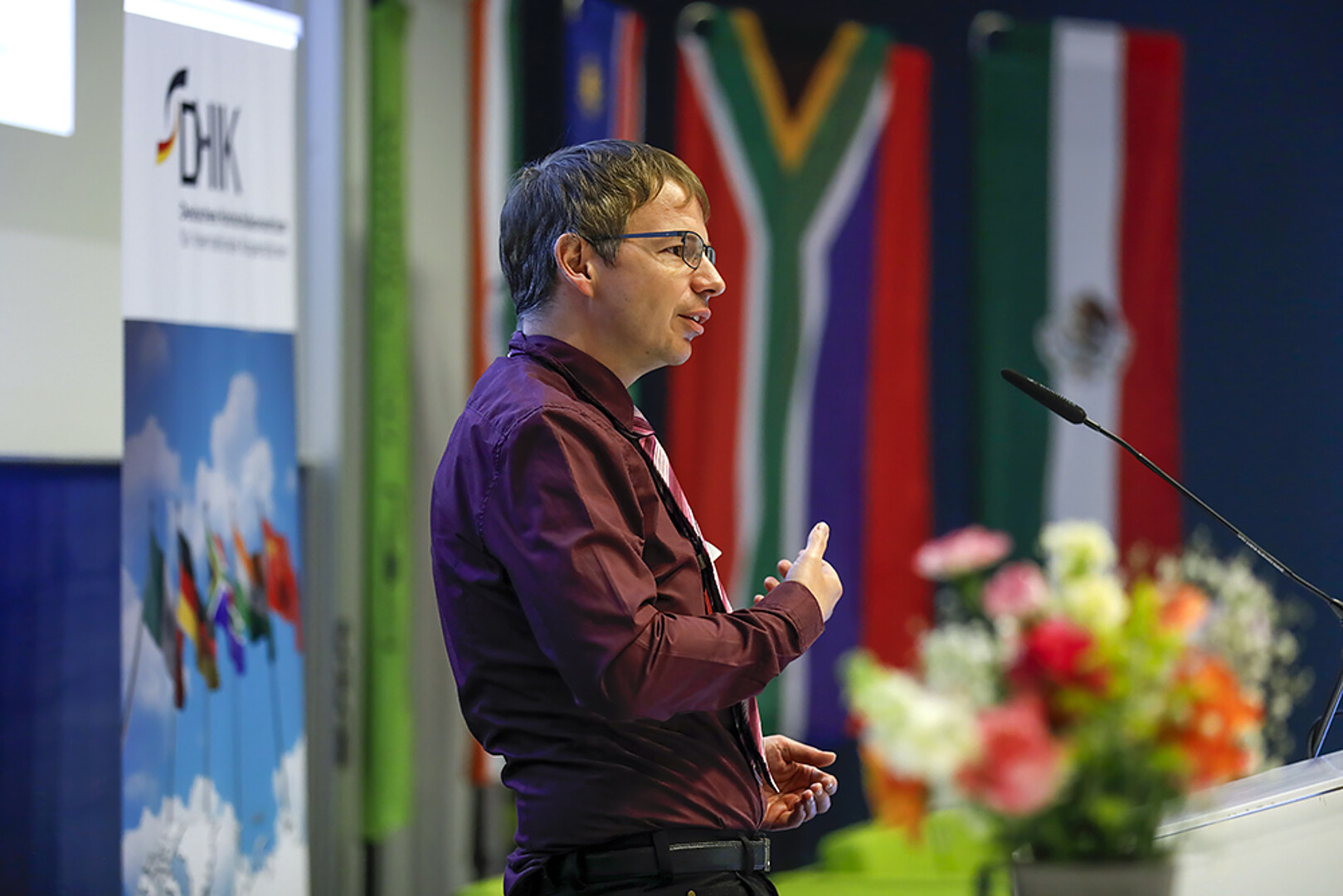
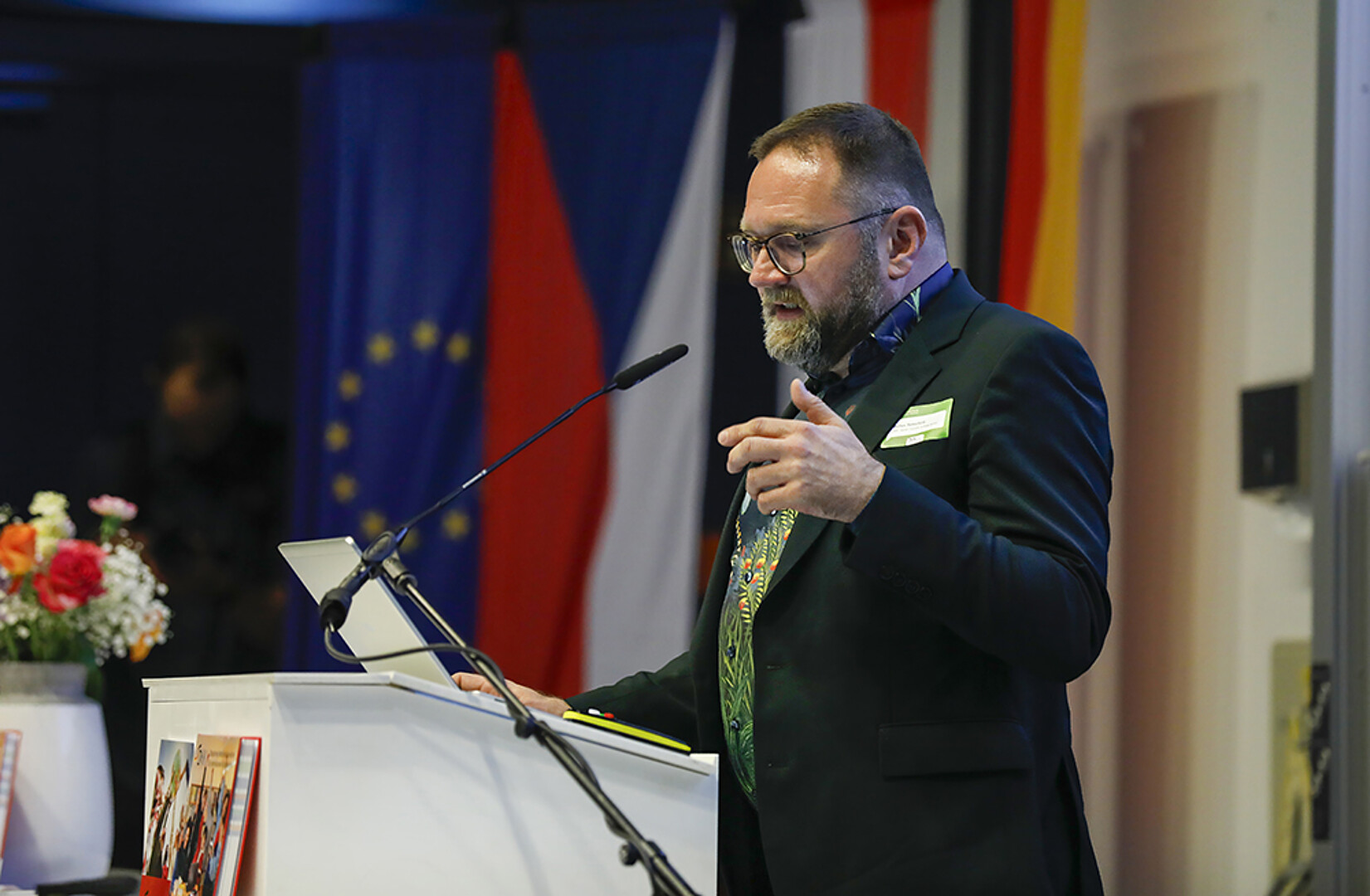
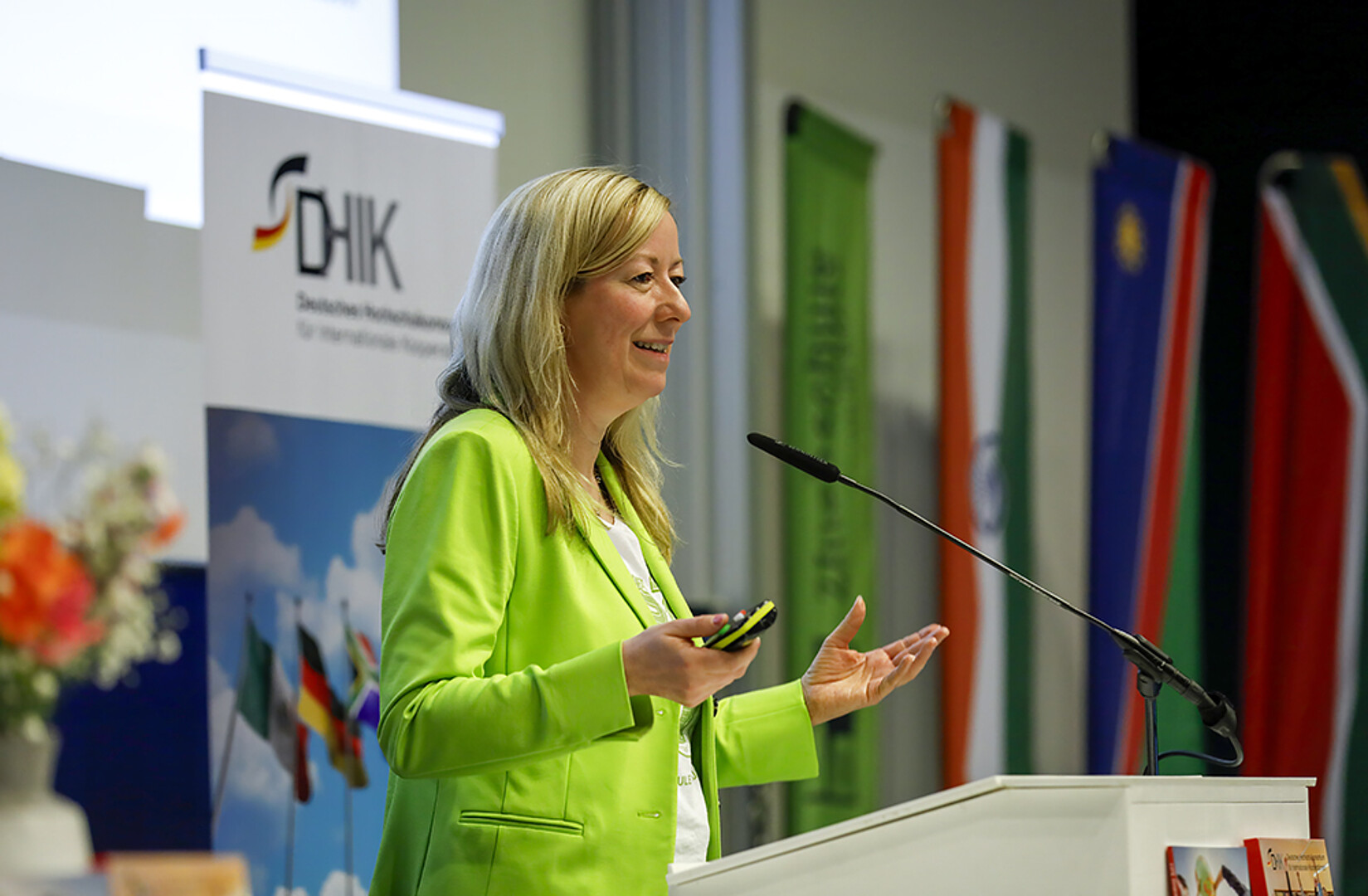
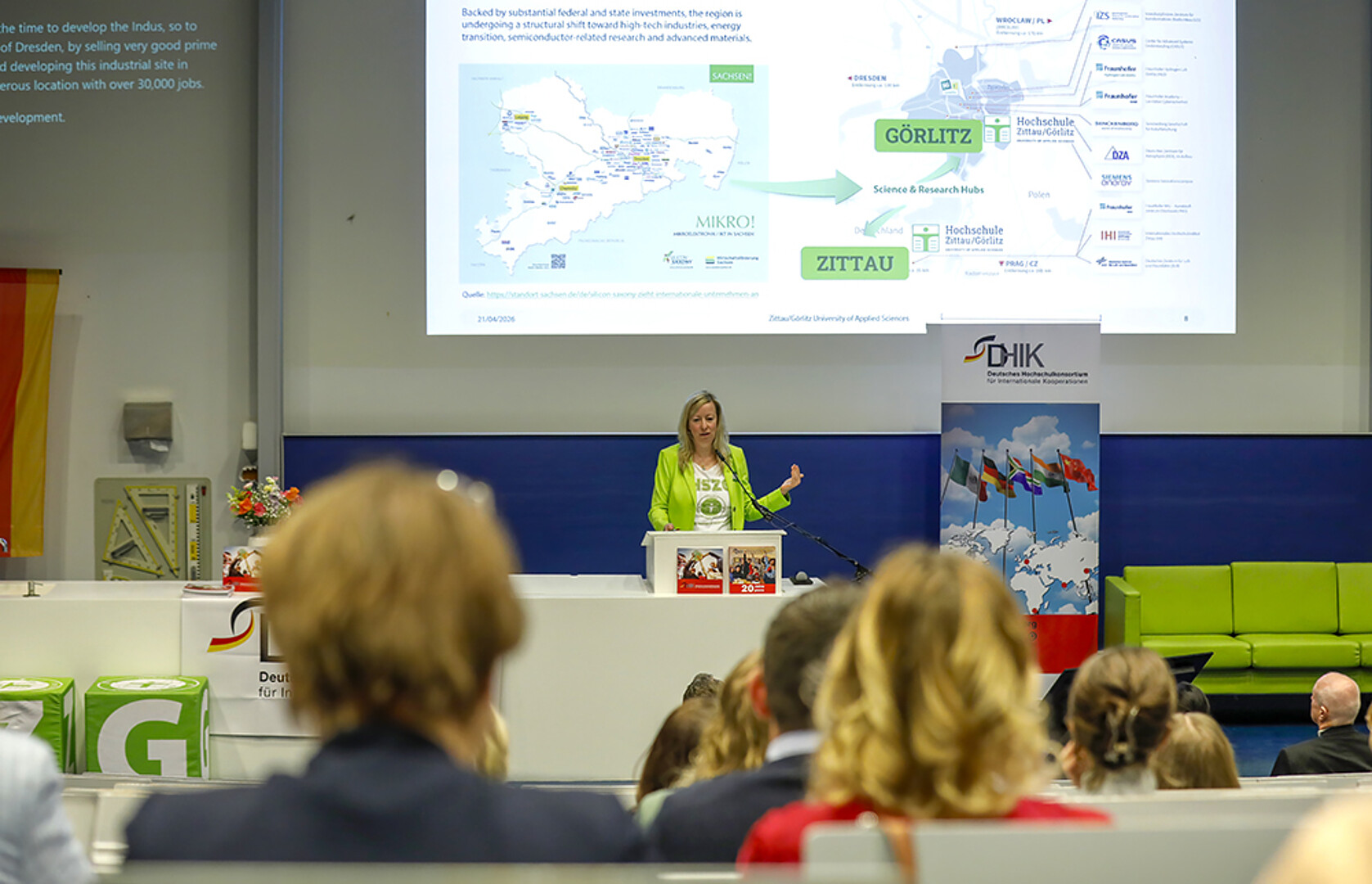
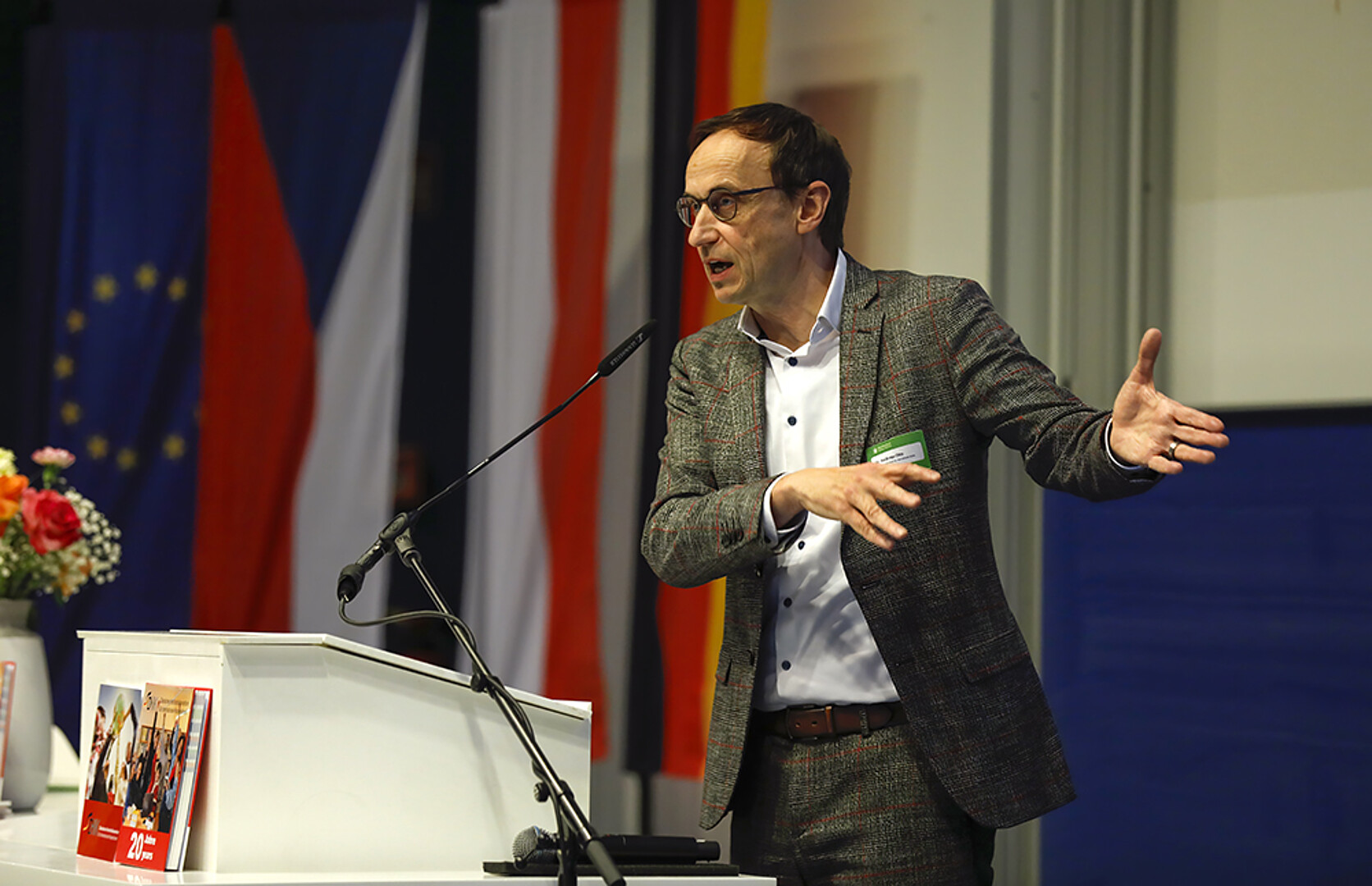
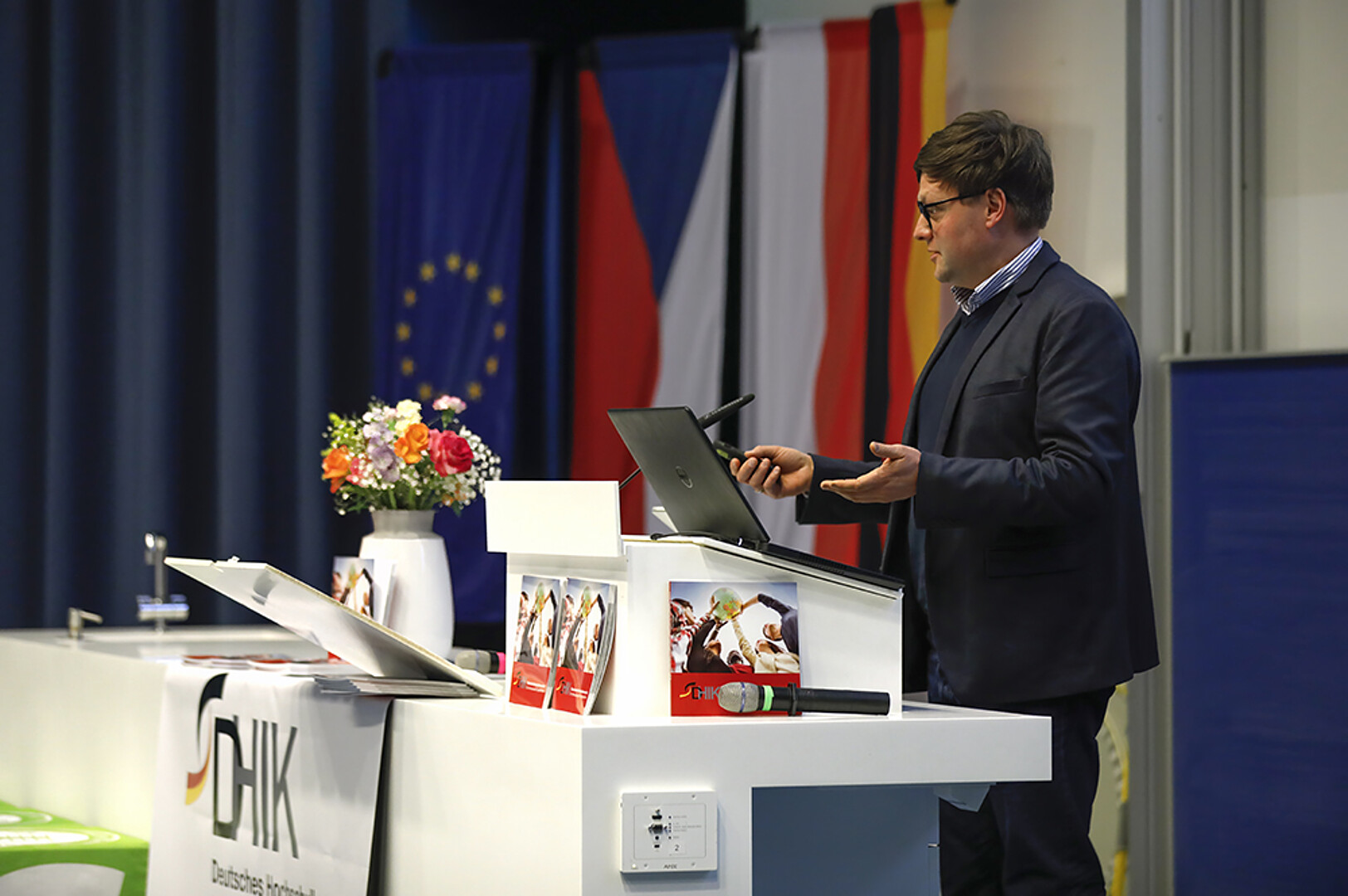
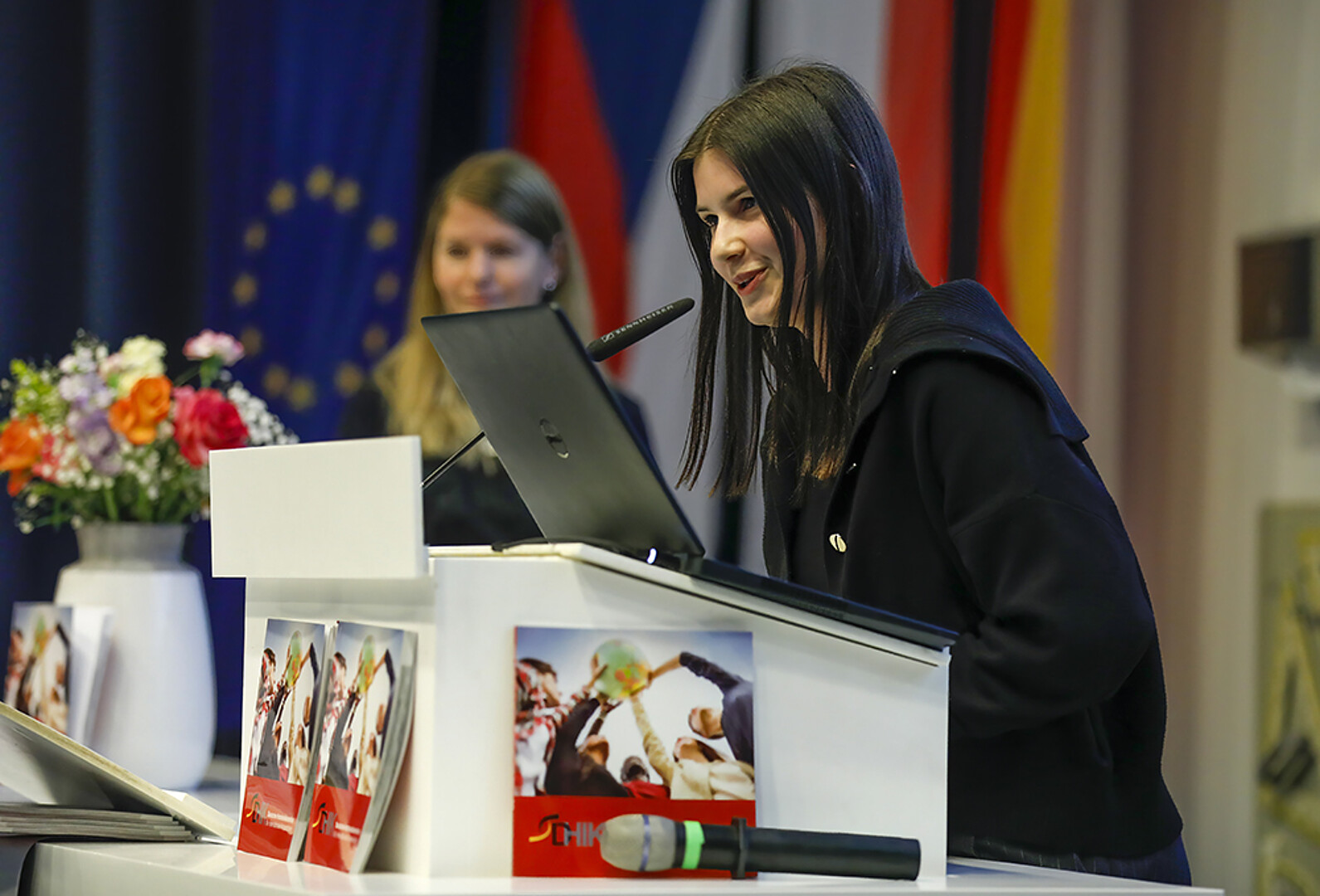
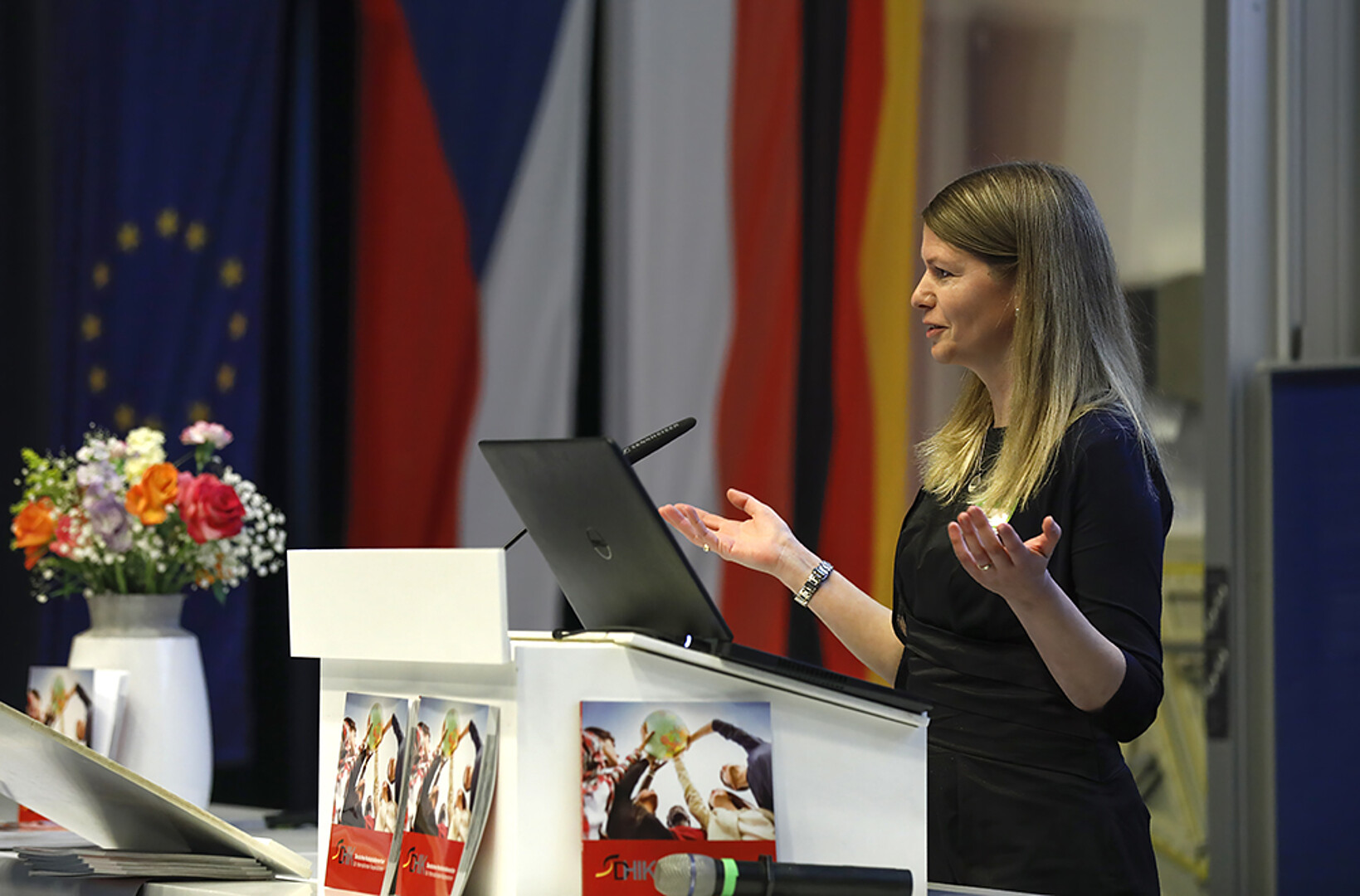
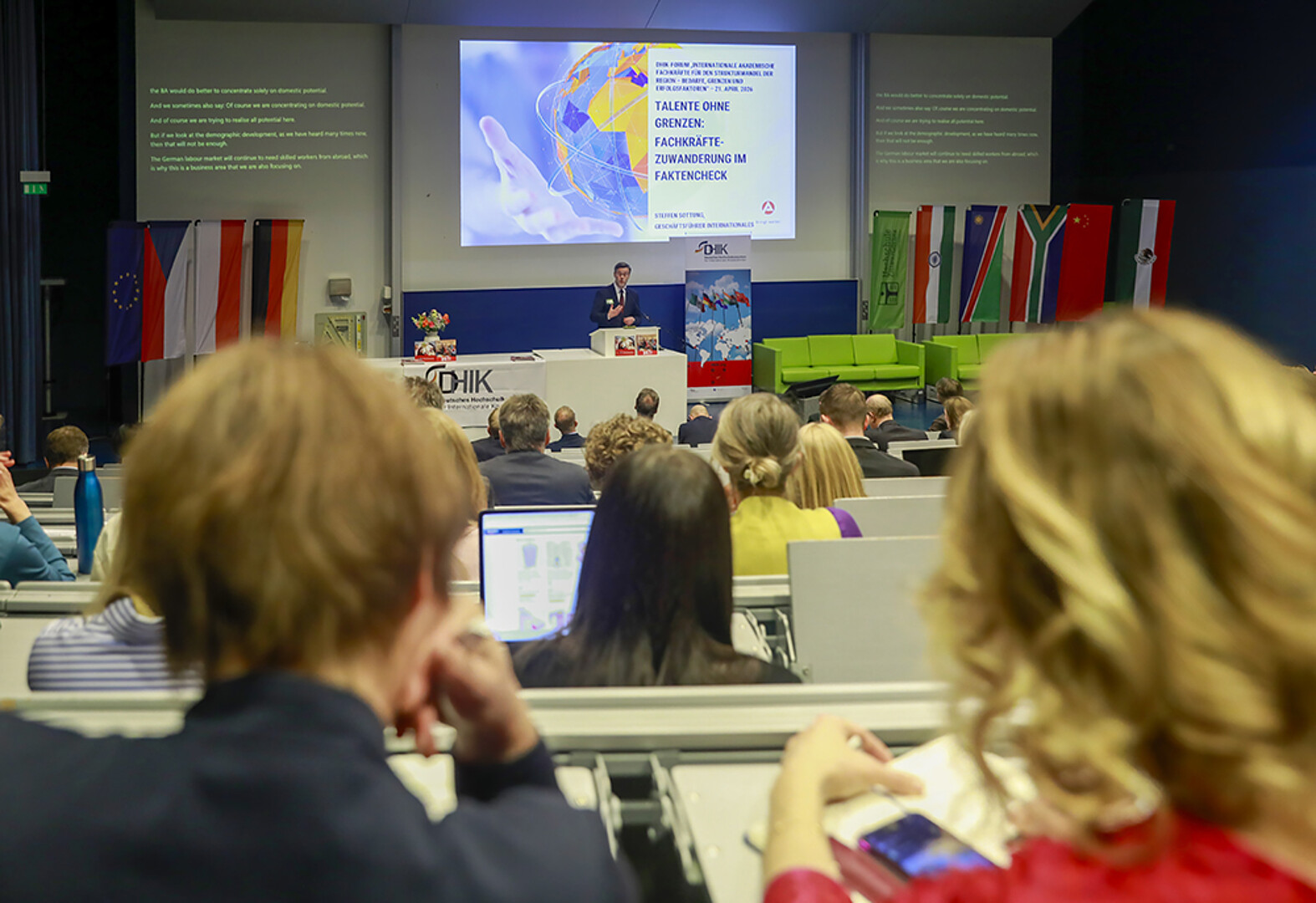
The discussions focused on issues related to the international recruitment of skilled workers, economic development, and the future of regions undergoing transformation. On April 21, expert presentations at the DHIK Forum 2026 examined, among other topics, international comparative data on immigration, the economic benefits of international talent, and strategies for transnational education.
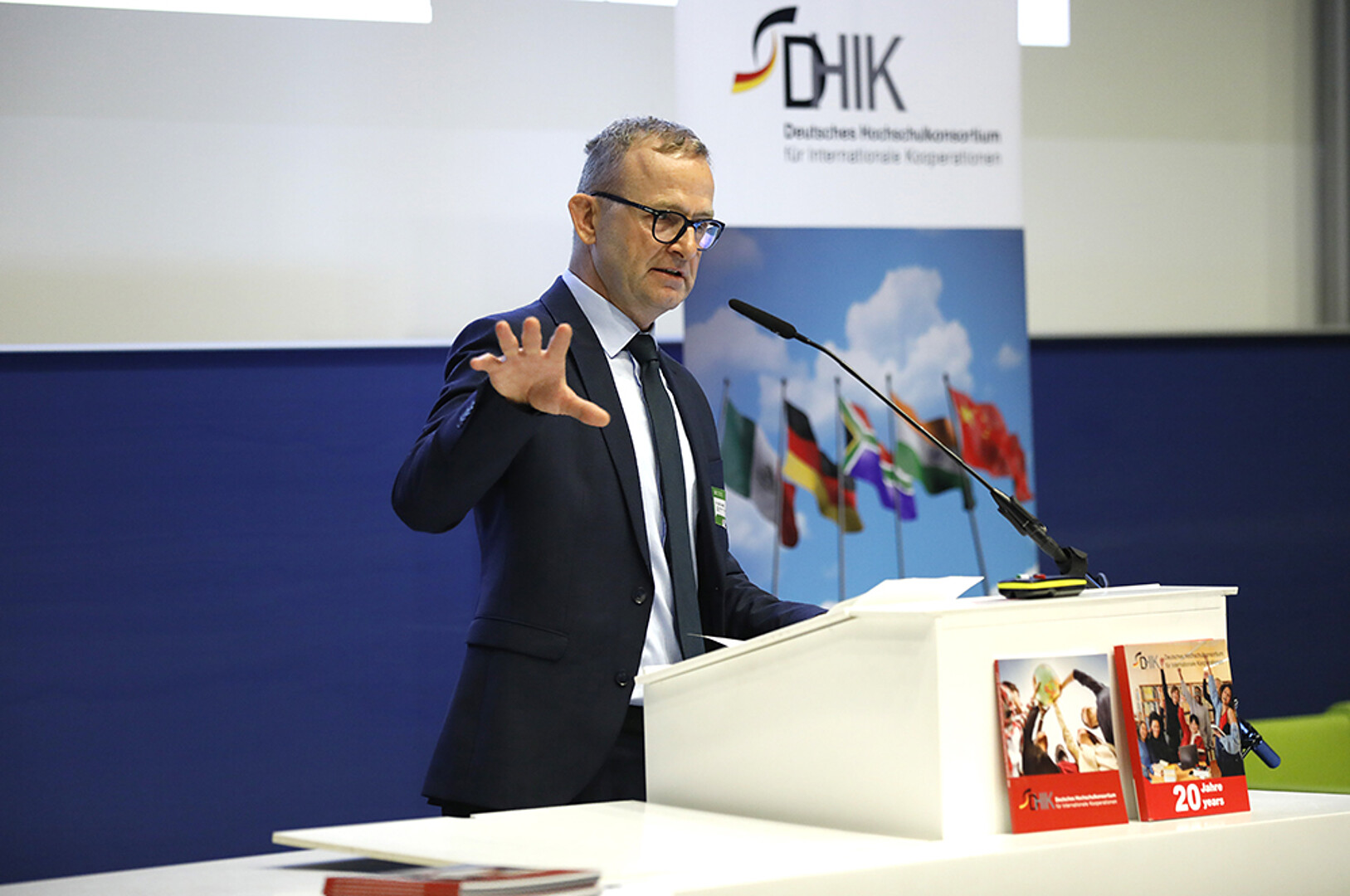
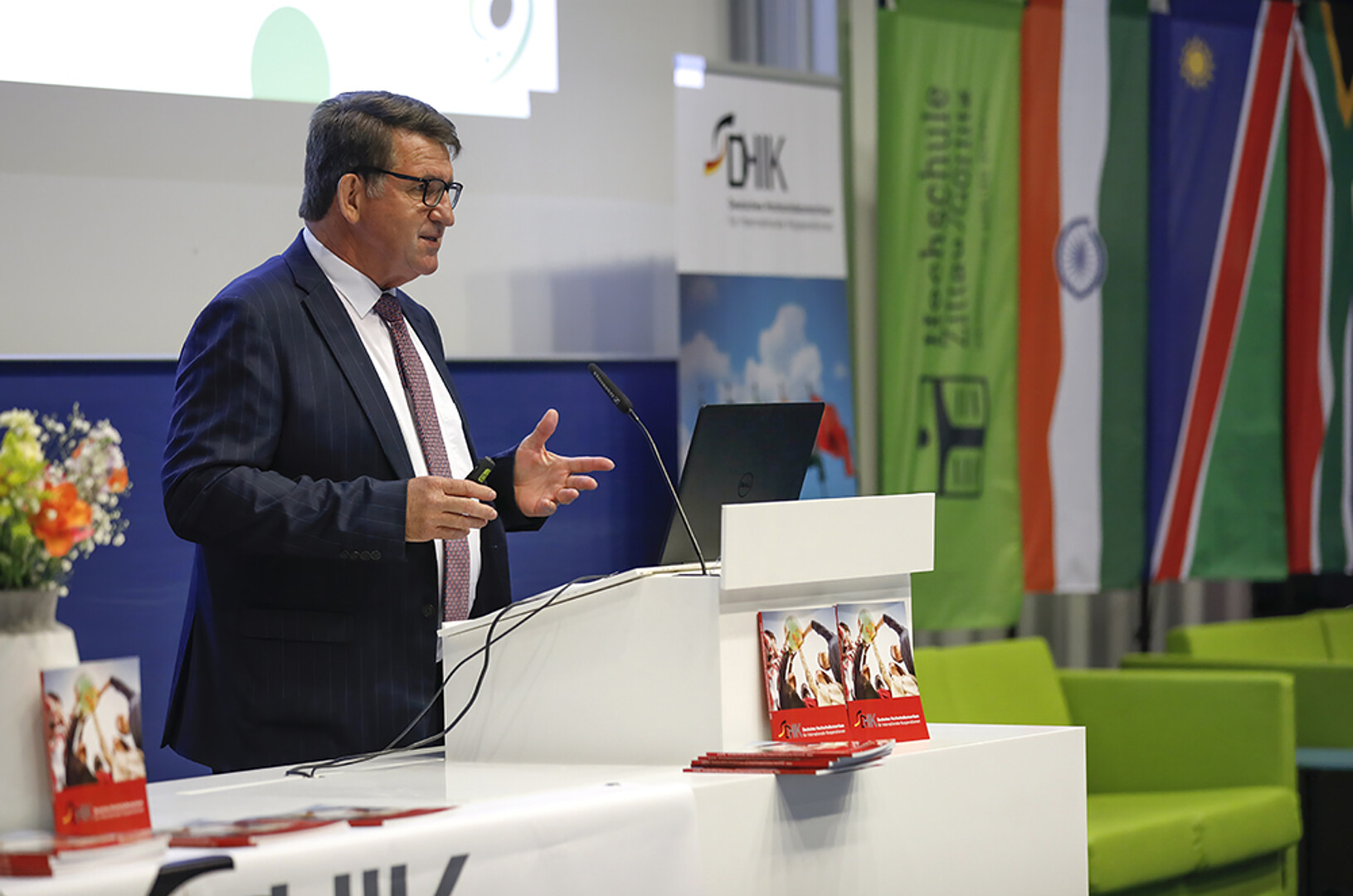
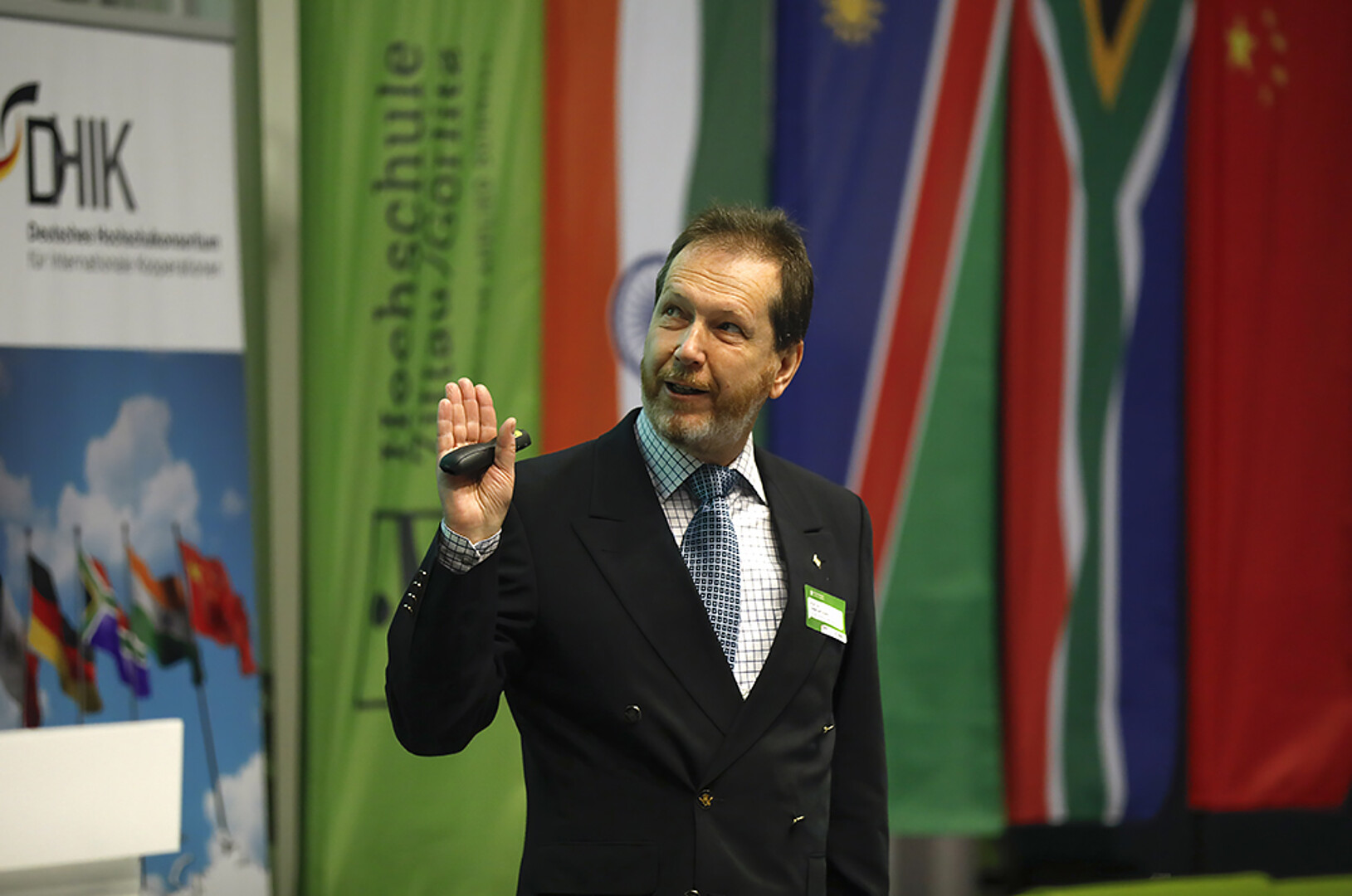
Speakers included Steffen Sottung (Federal Employment Agency), Dr. Wido Geis-Thöne (German Economic Institute), and Stefan Bienefeld (DAAD). The program was complemented by presentations from the region, such as on the role of HSZG as a catalyst for innovation and international talent acquisition. Current projects such as CircEcon, DC-LabSaxony, WELL CARE, and ZukLOS were also presented.
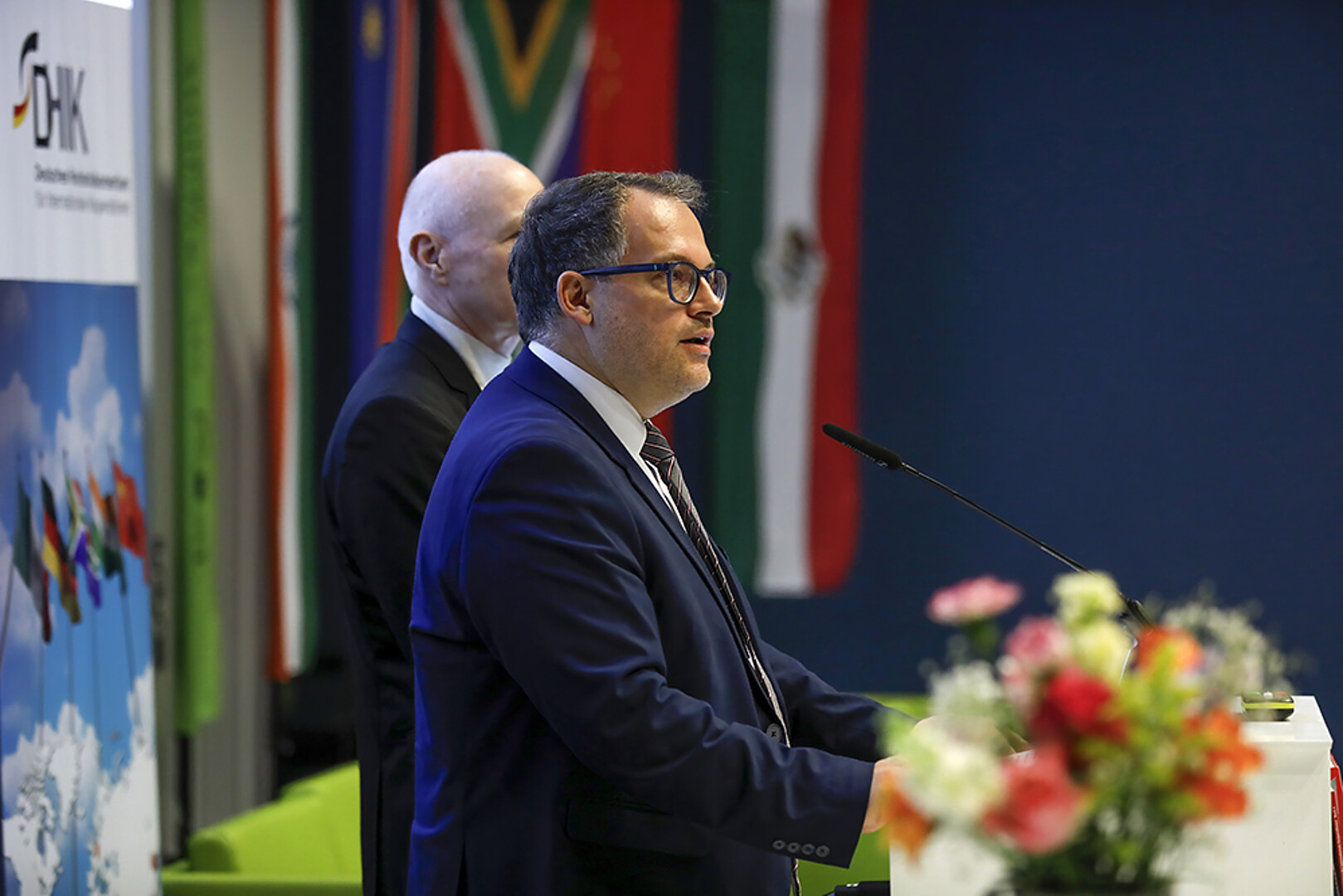
“Individual nations can no longer tackle the current and future challenges facing the economy and science on their own,” emphasizes the Rector of Zittau/Görlitz University of Applied Sciences, Prof. Dr.-Ing. Alexander Kratzsch, highlighting the necessity of cooperation with the DHIK. He views the direct interaction between academic education and the regional labor market as a key factor in regional development.
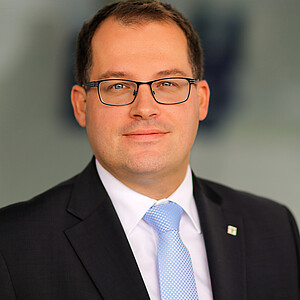
Our aim is not only to attract international talent, but also to offer them real prospects of staying in the Free State of Saxony through tailor-made programs.
”
Cooperation as a response to global challenges
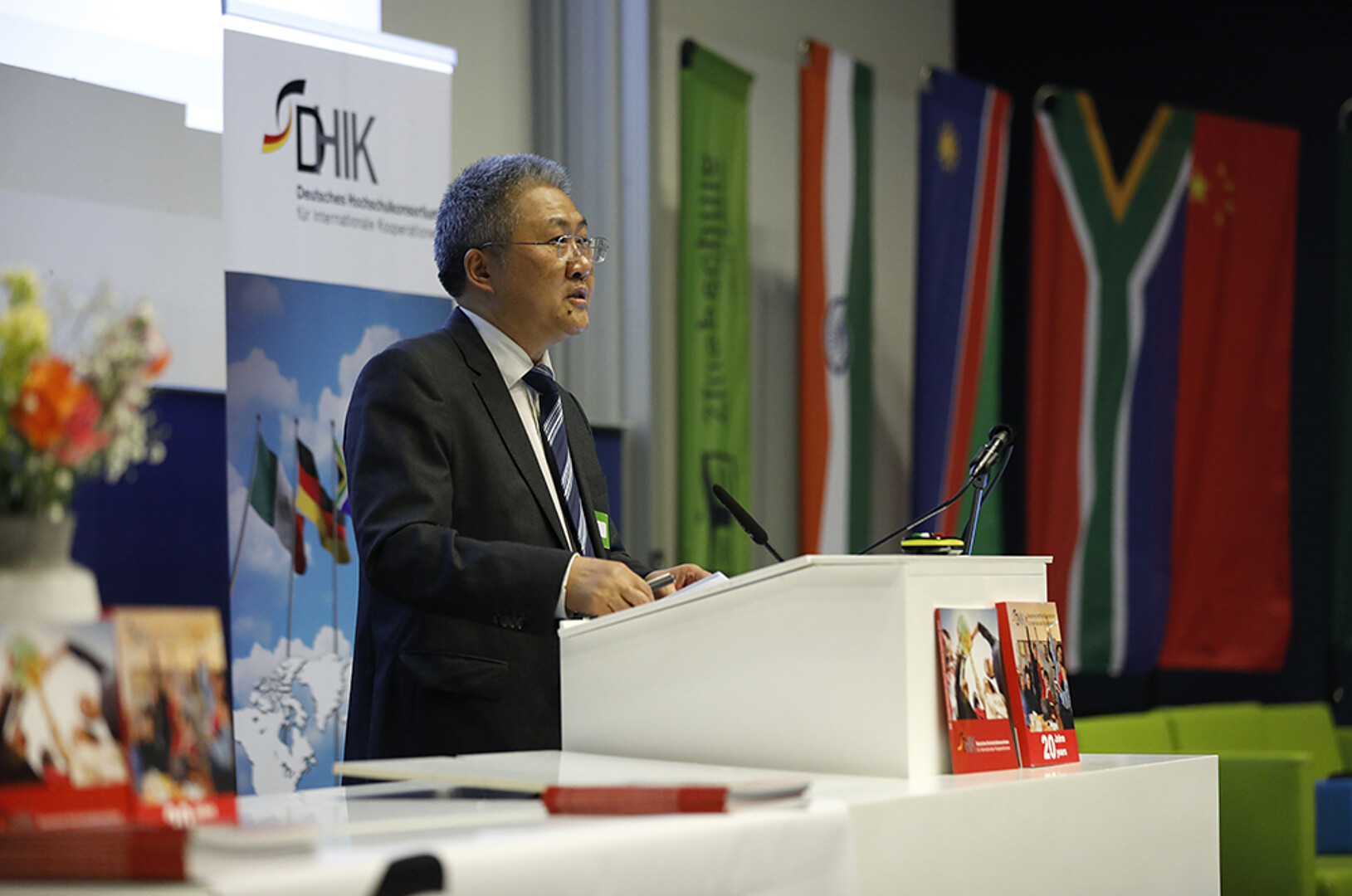
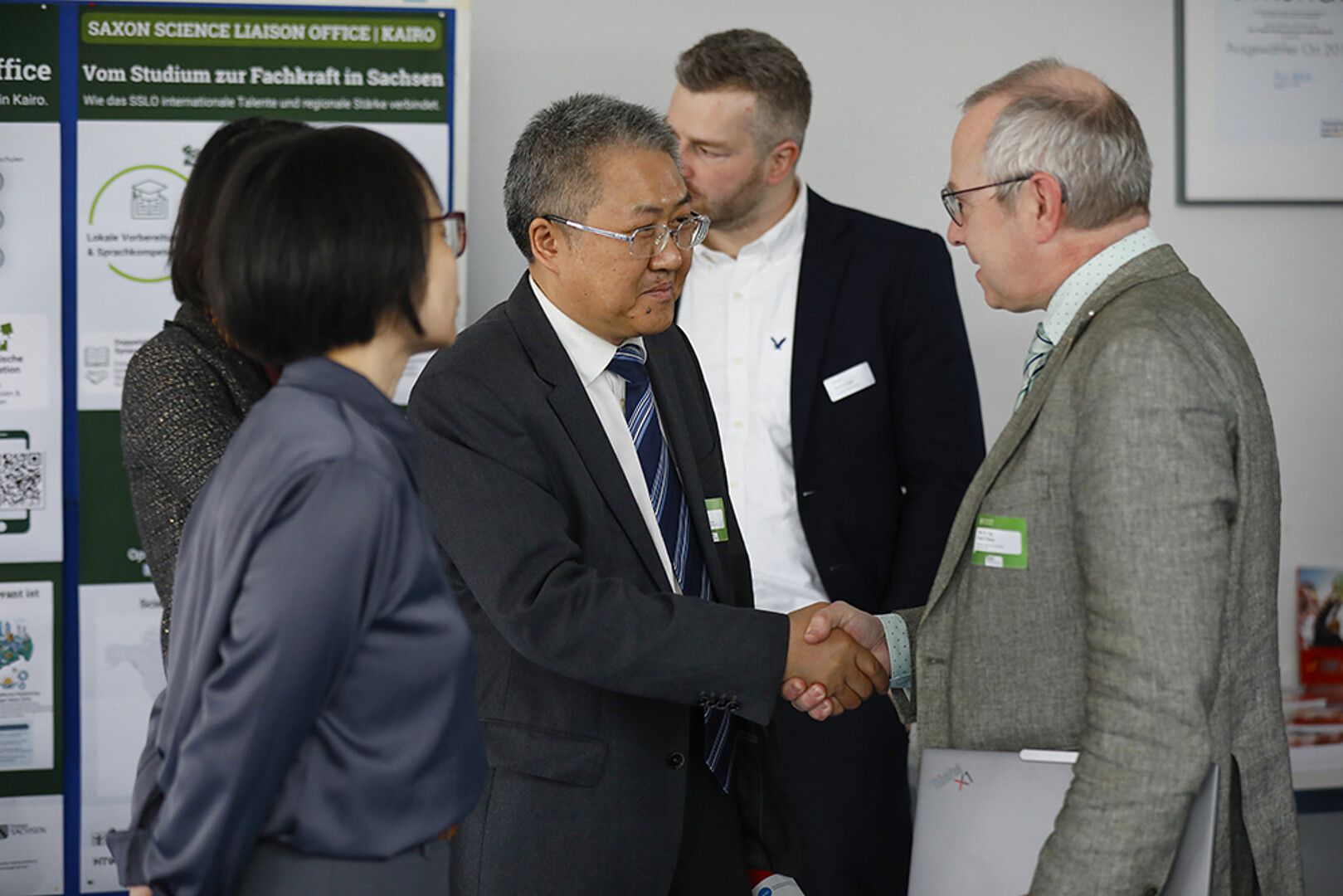
The discussions made it clear that securing skilled workers today can only be considered internationally. Global challenges such as demographic change, digitalization and industrial transformation affect many countries at the same time. Dr. Lixin Liu, Envoy Counsellor of the People's Republic of China, puts it in a nutshell:
Science is international. Openness, exchange and cooperation are crucial to overcoming these challenges.
”This also made it clear that international cooperation is not an add-on, but a central prerequisite for economic and social development.
Region in transition - opportunities and challenges
The topic is particularly relevant for Upper Lusatia. Structural change is opening up new prospects, but at the same time requires targeted strategies to recruit skilled workers.
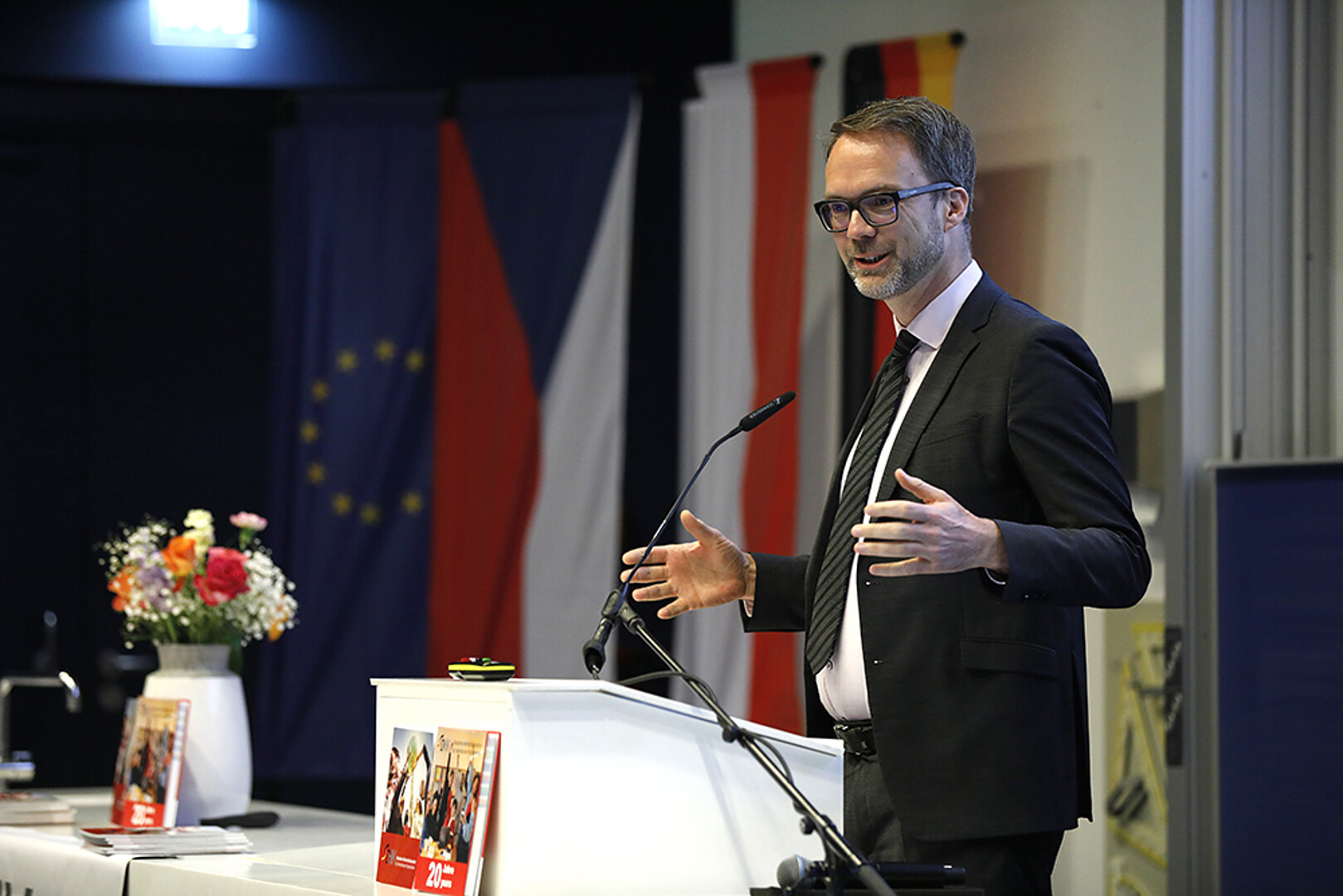
District Administrator Dr. Stephan Meyer emphasizes: "The region is facing fundamental change. The HSZG is an important driving force here. At the same time, we need more dynamism in order to successfully integrate skilled workers."
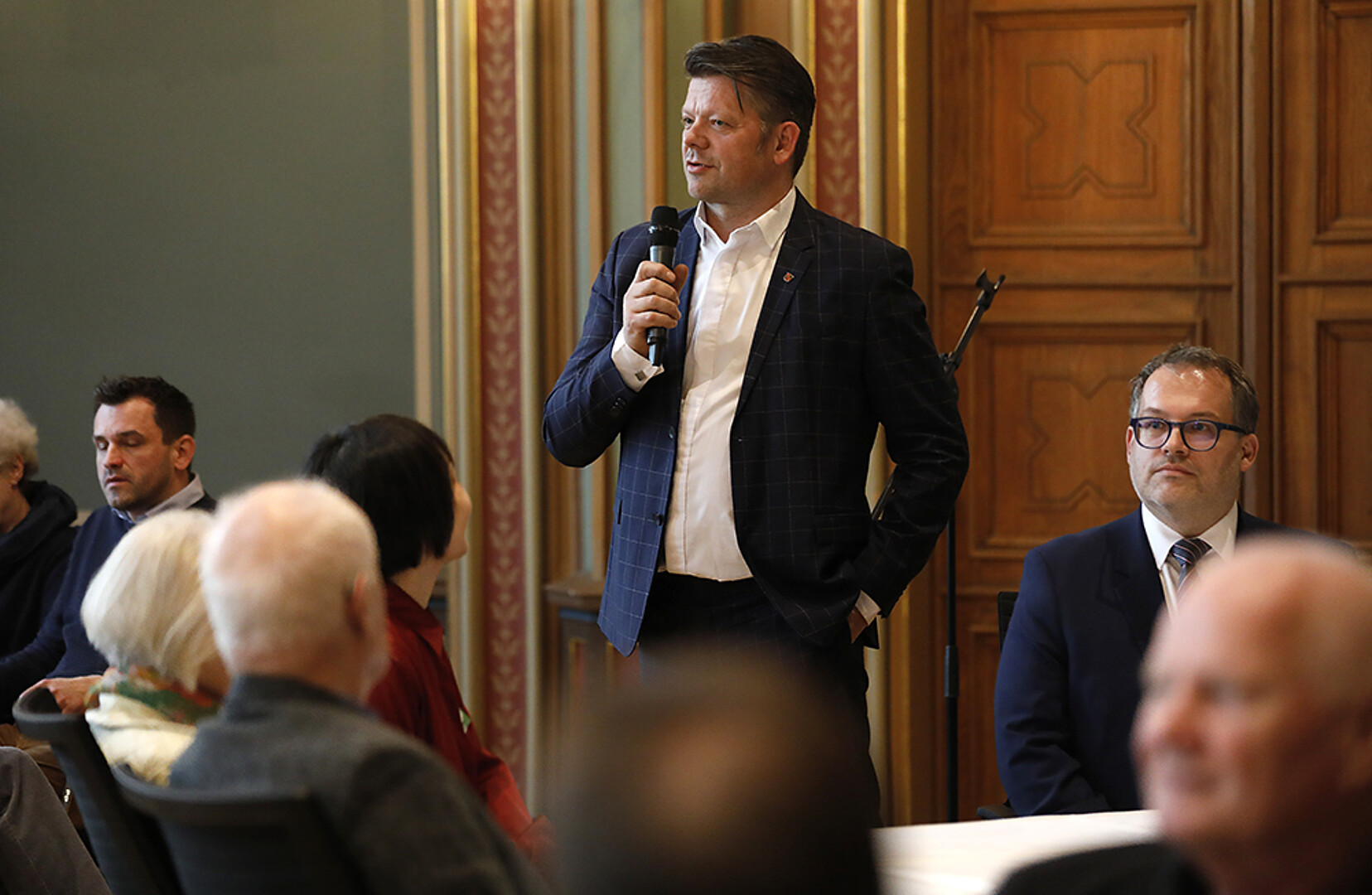
The perspective of the population was also discussed. Zittau's Lord Mayor Thomas Zenker pointed out that major transformation processes can only succeed if they are supported by the local population.
Integration as a joint process
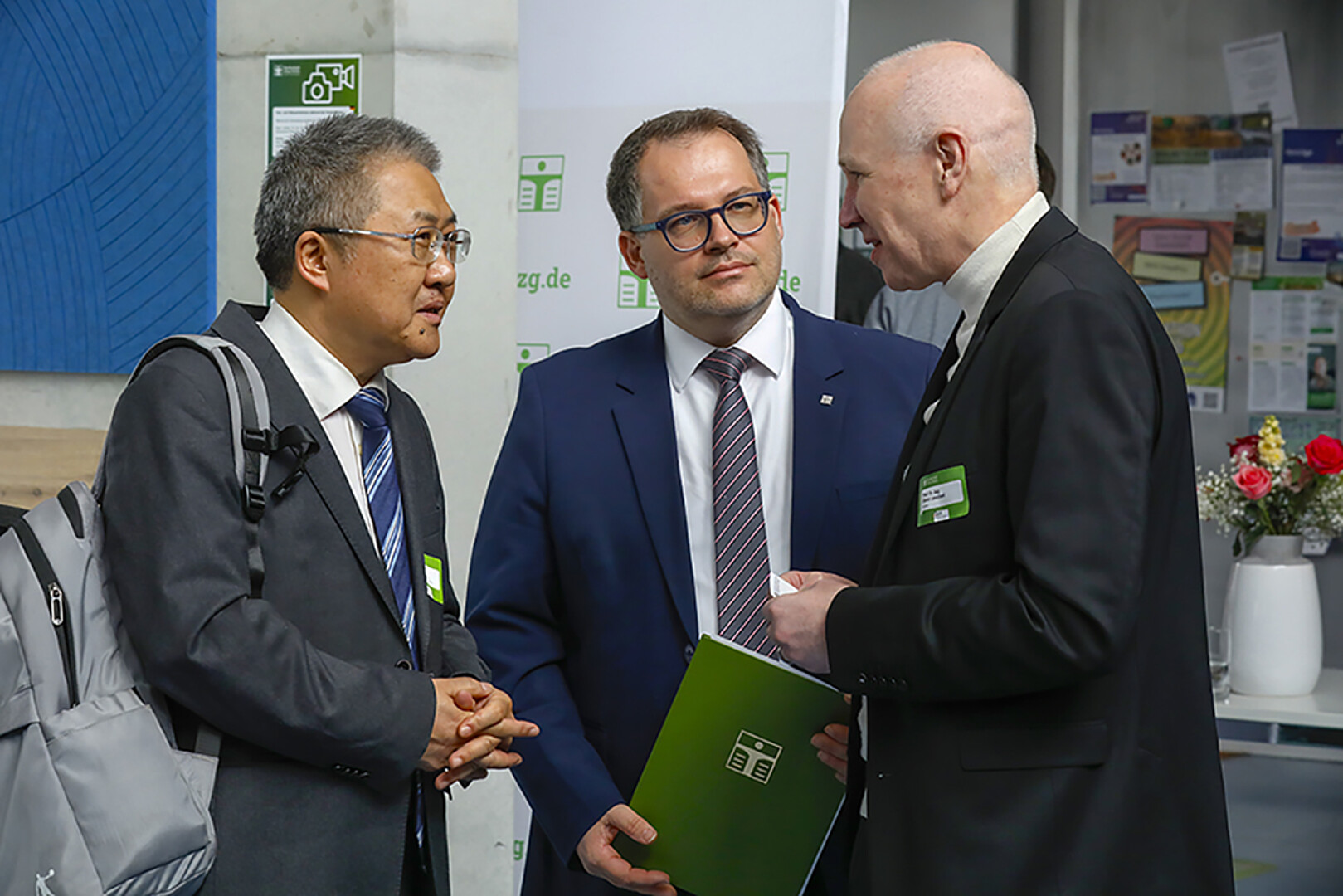
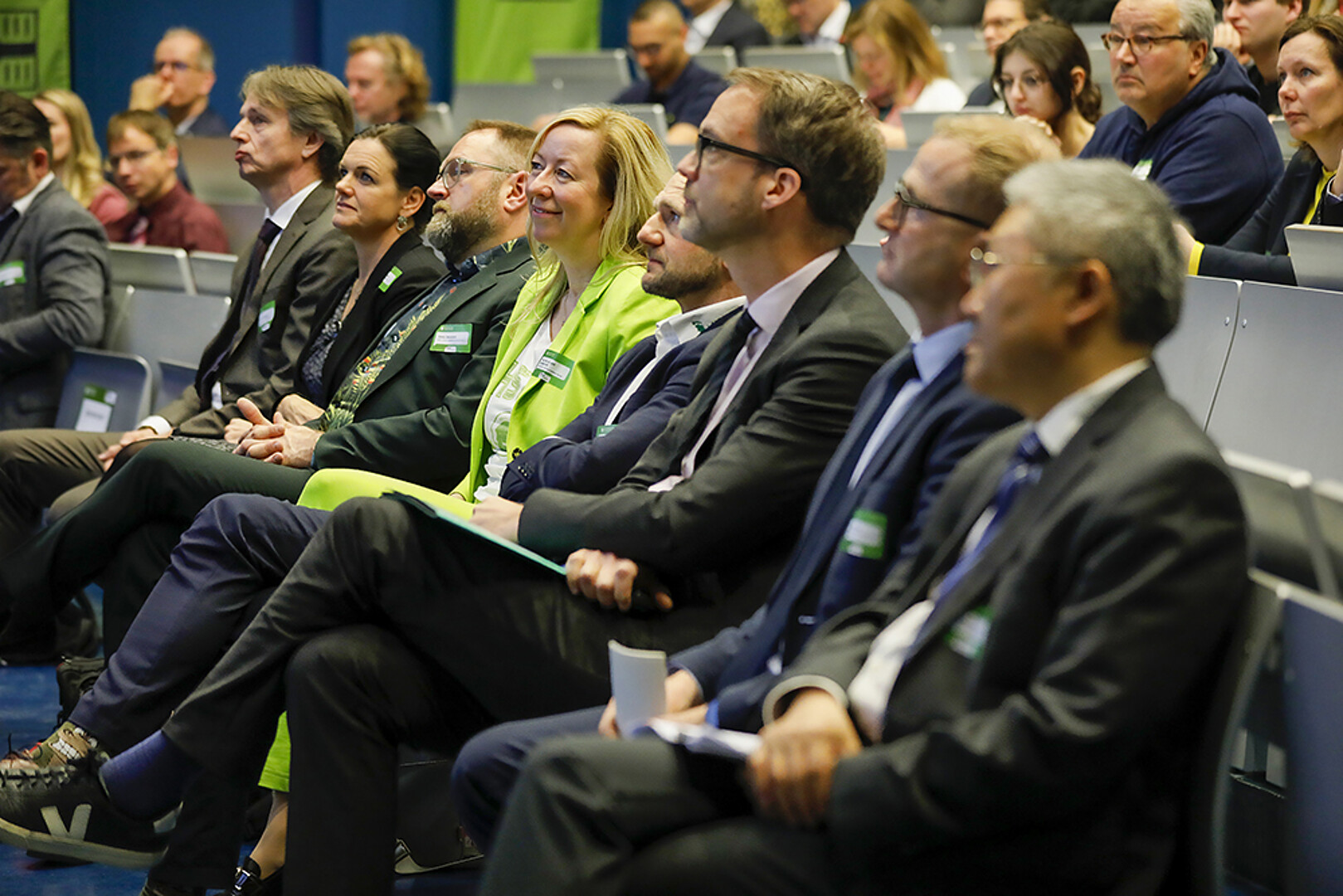
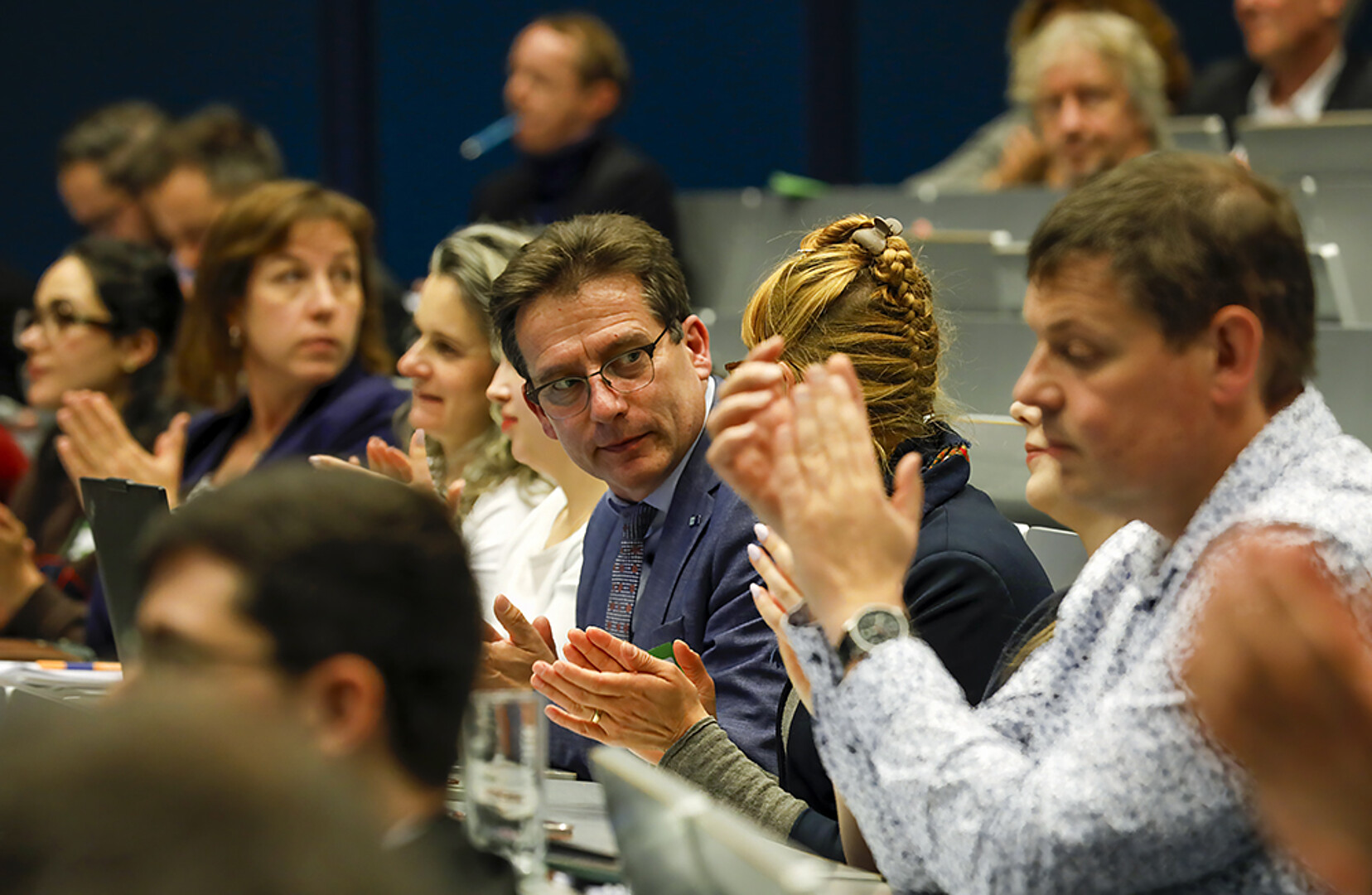
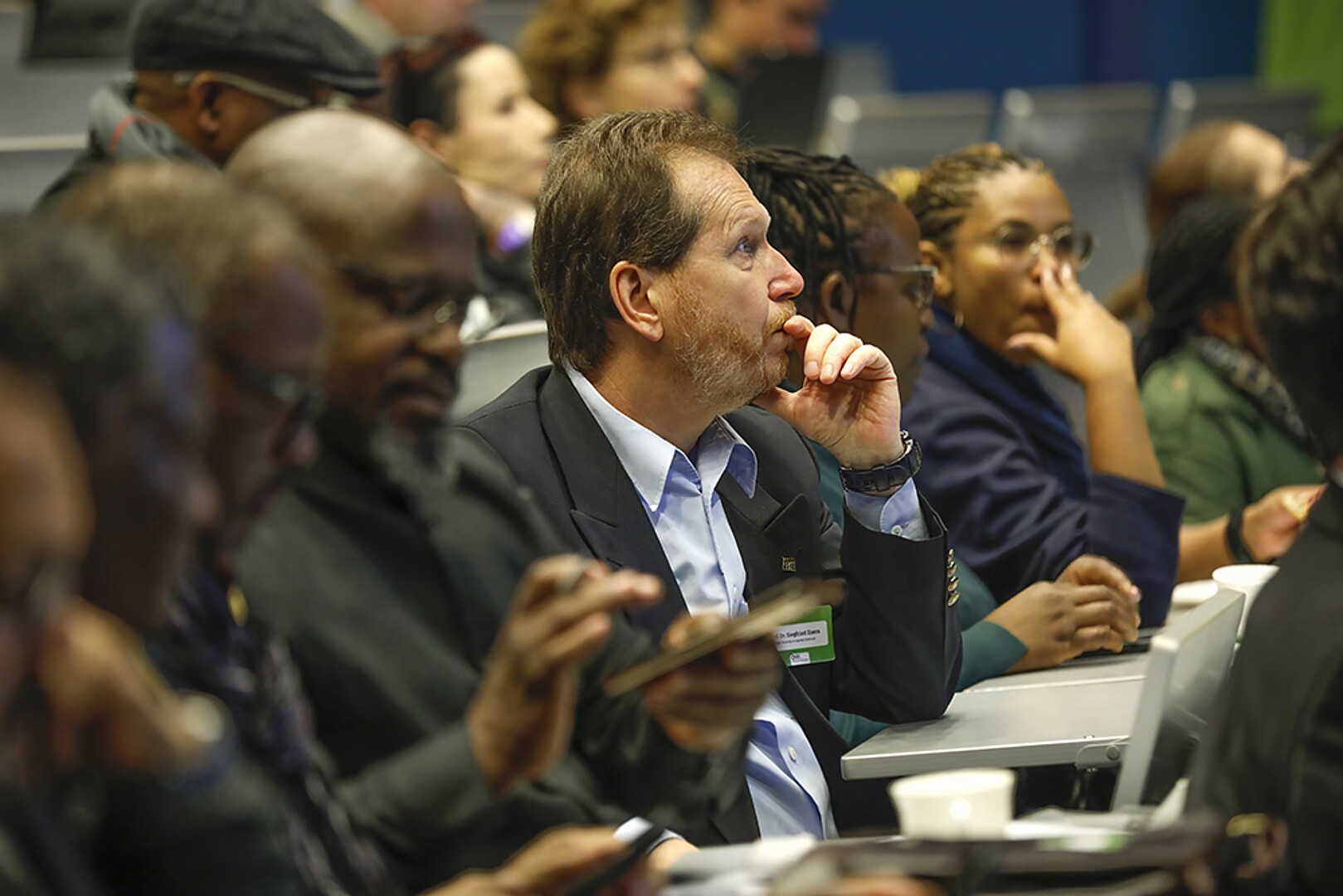
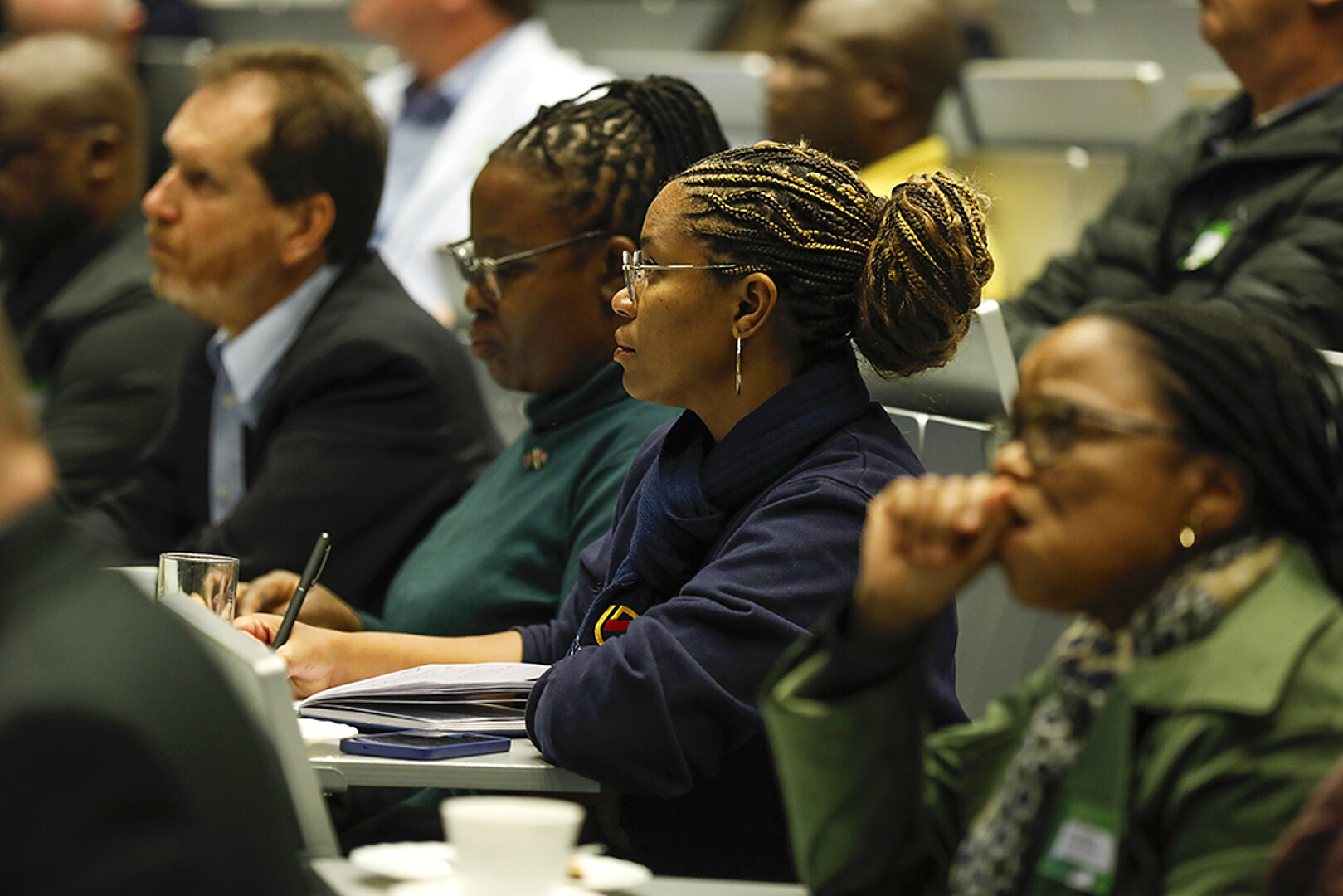
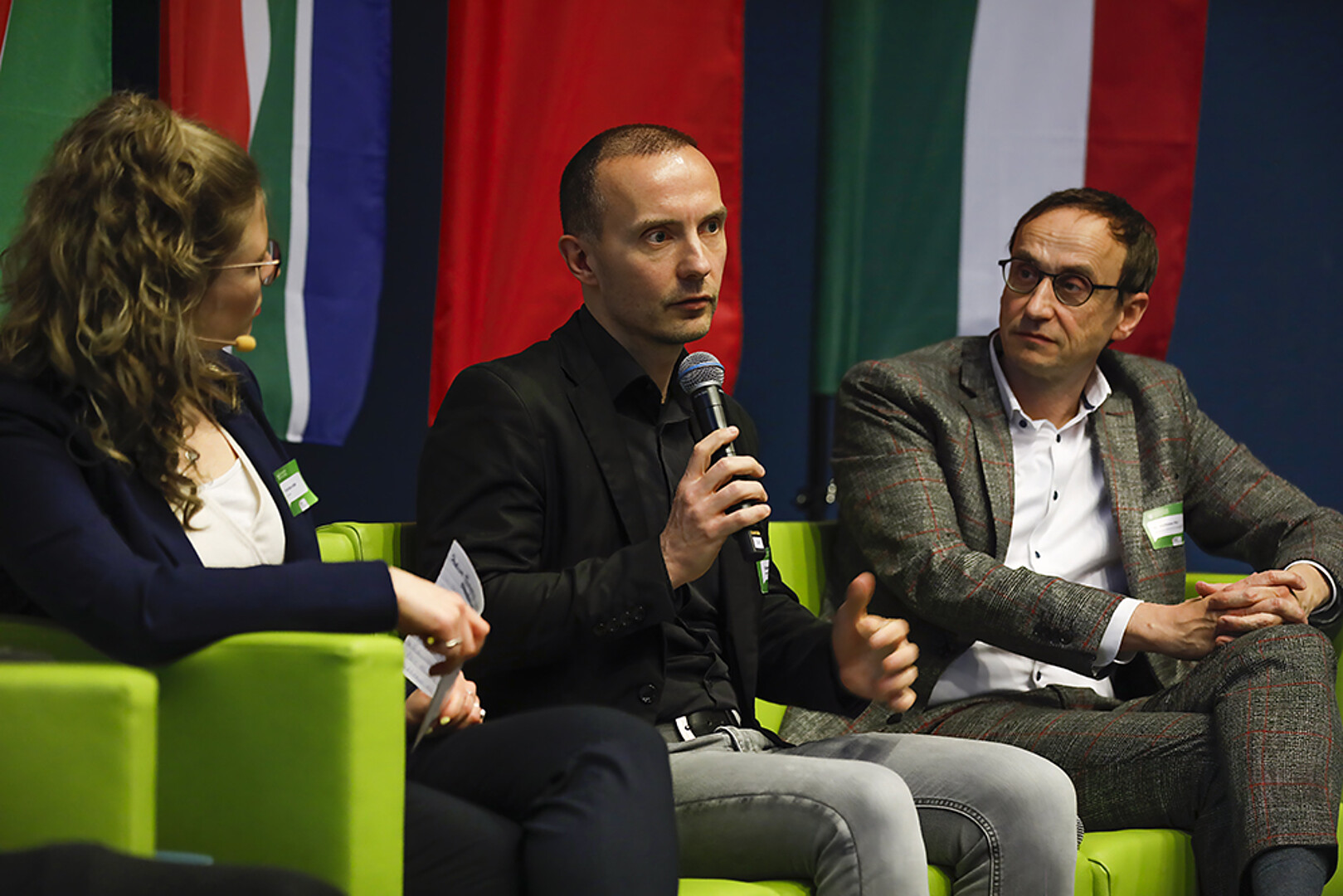
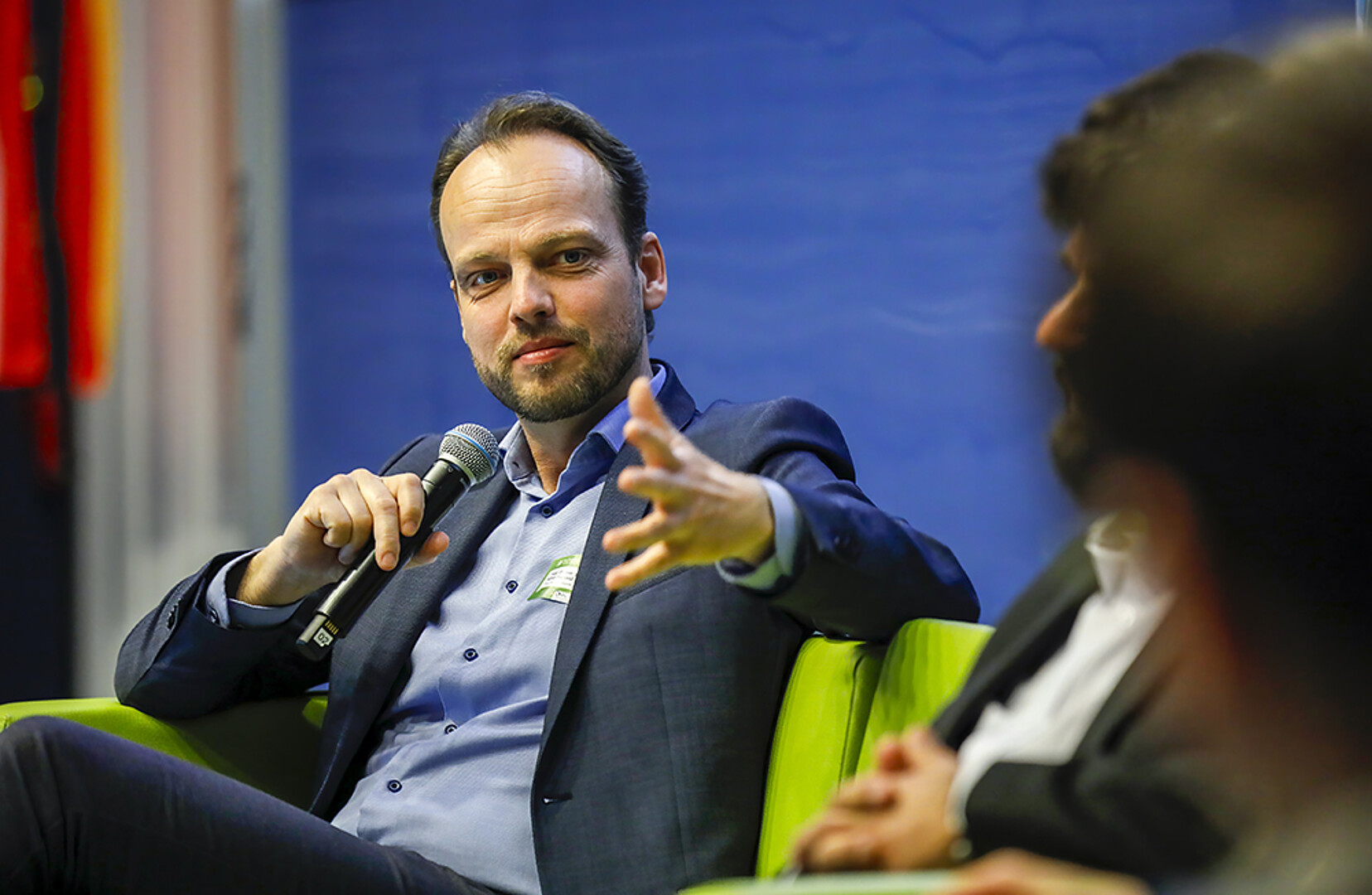
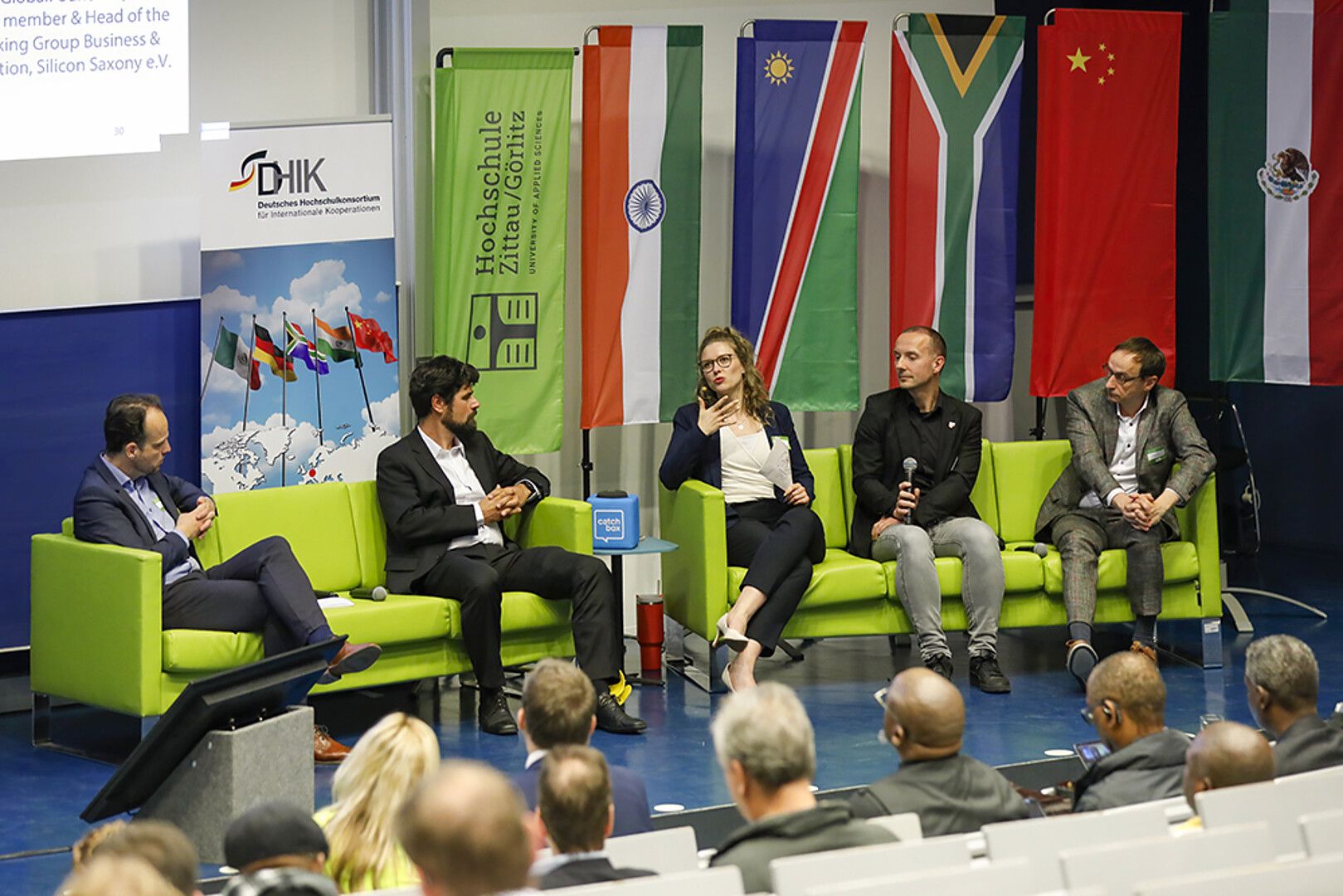
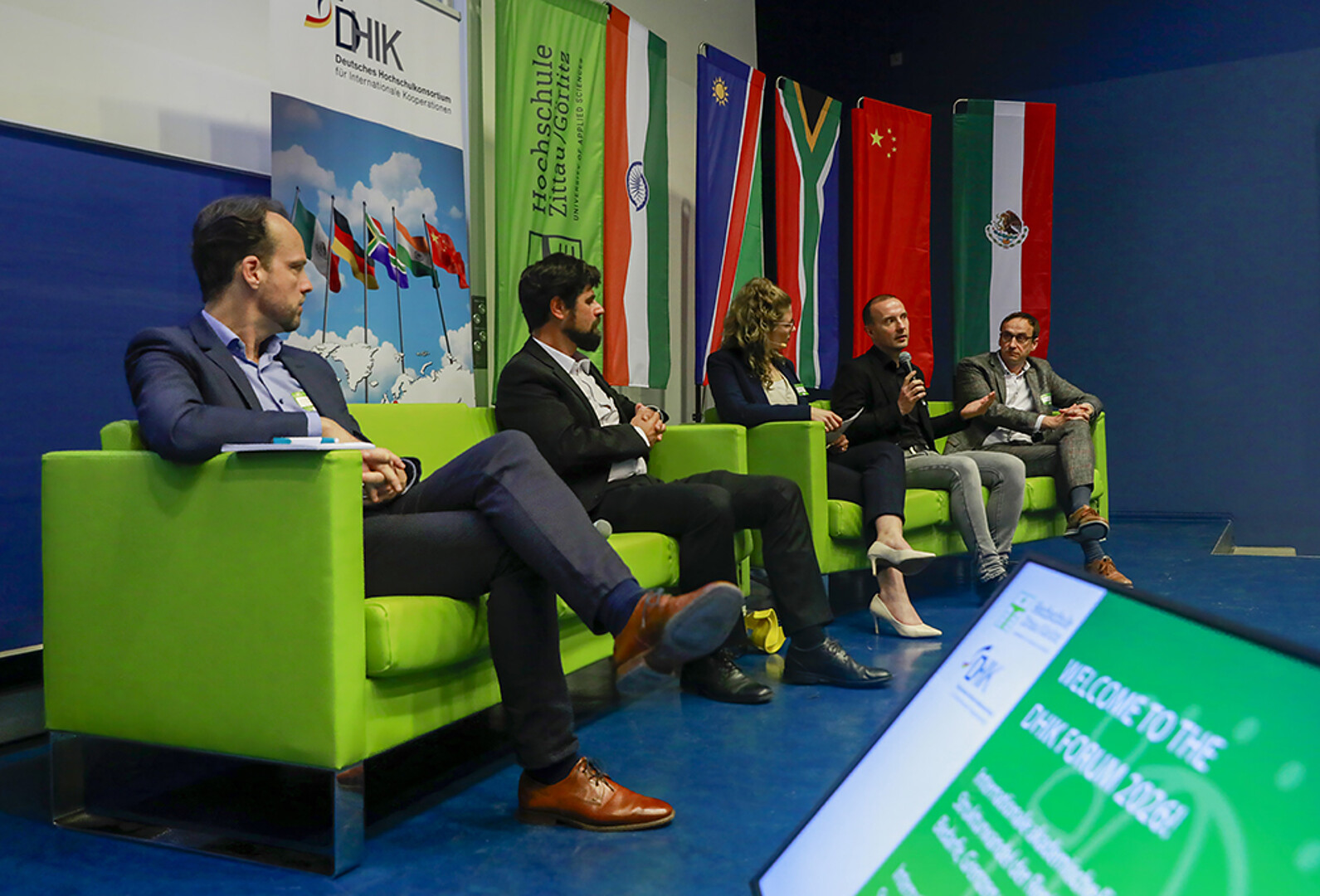
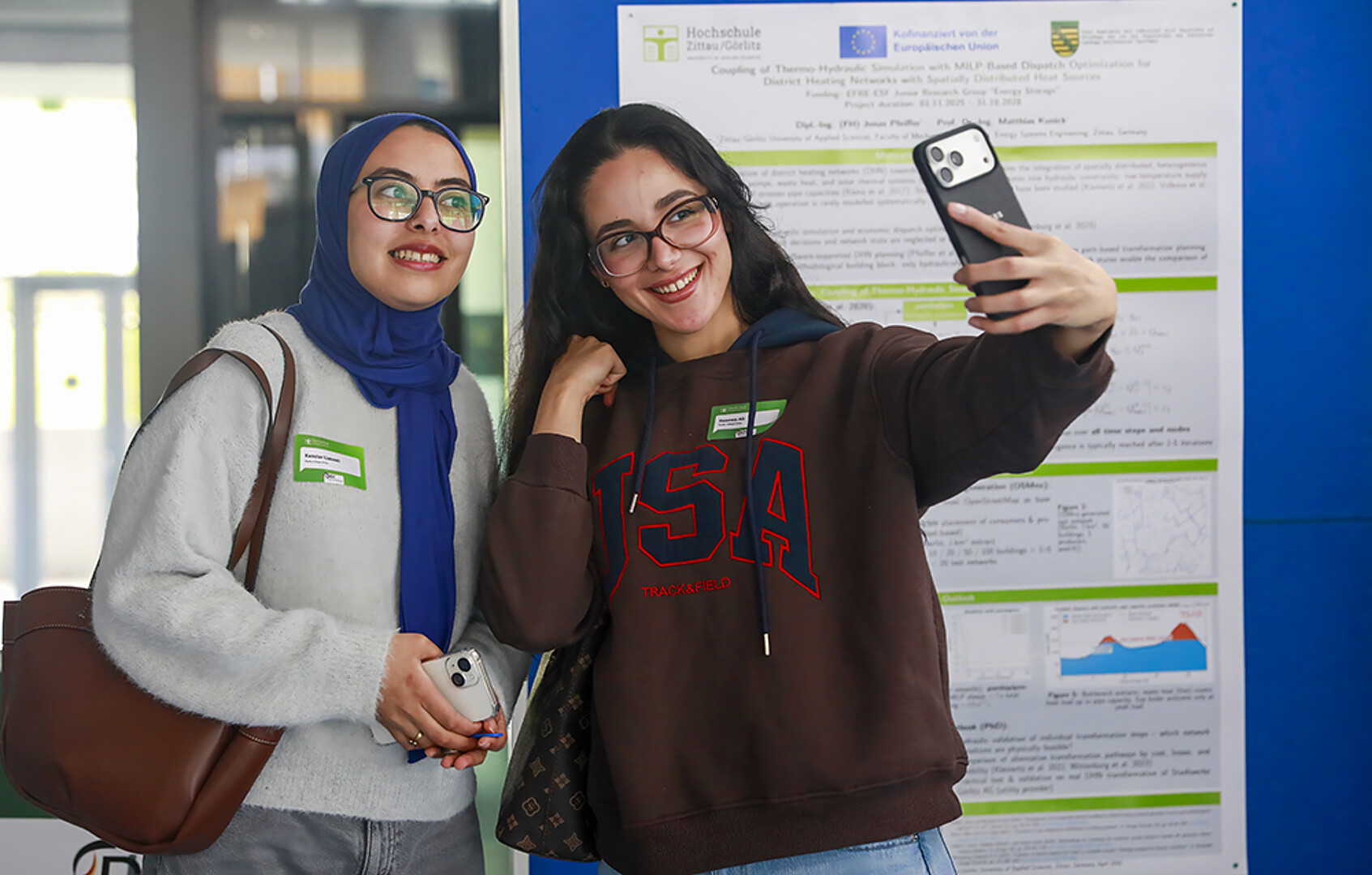
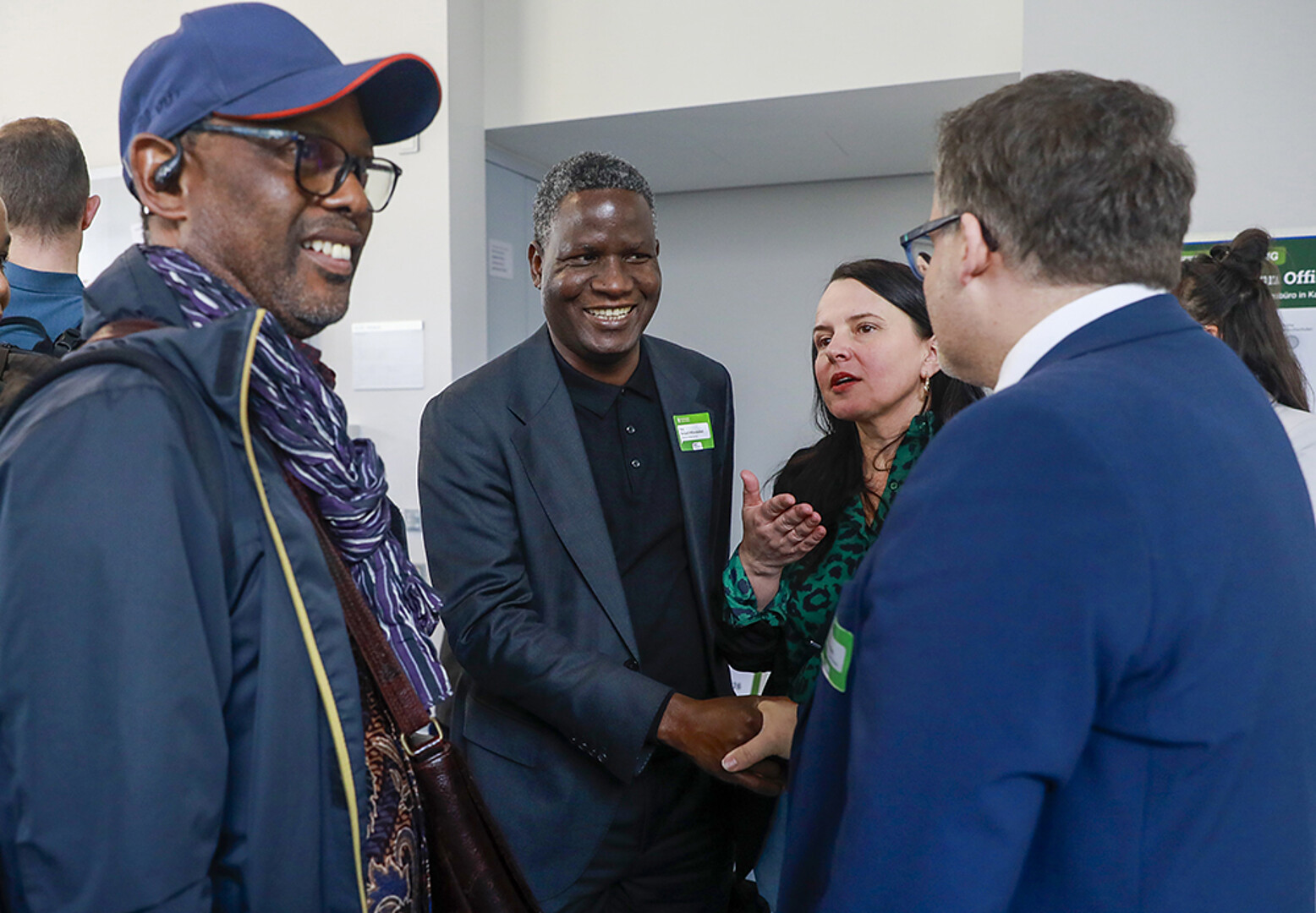
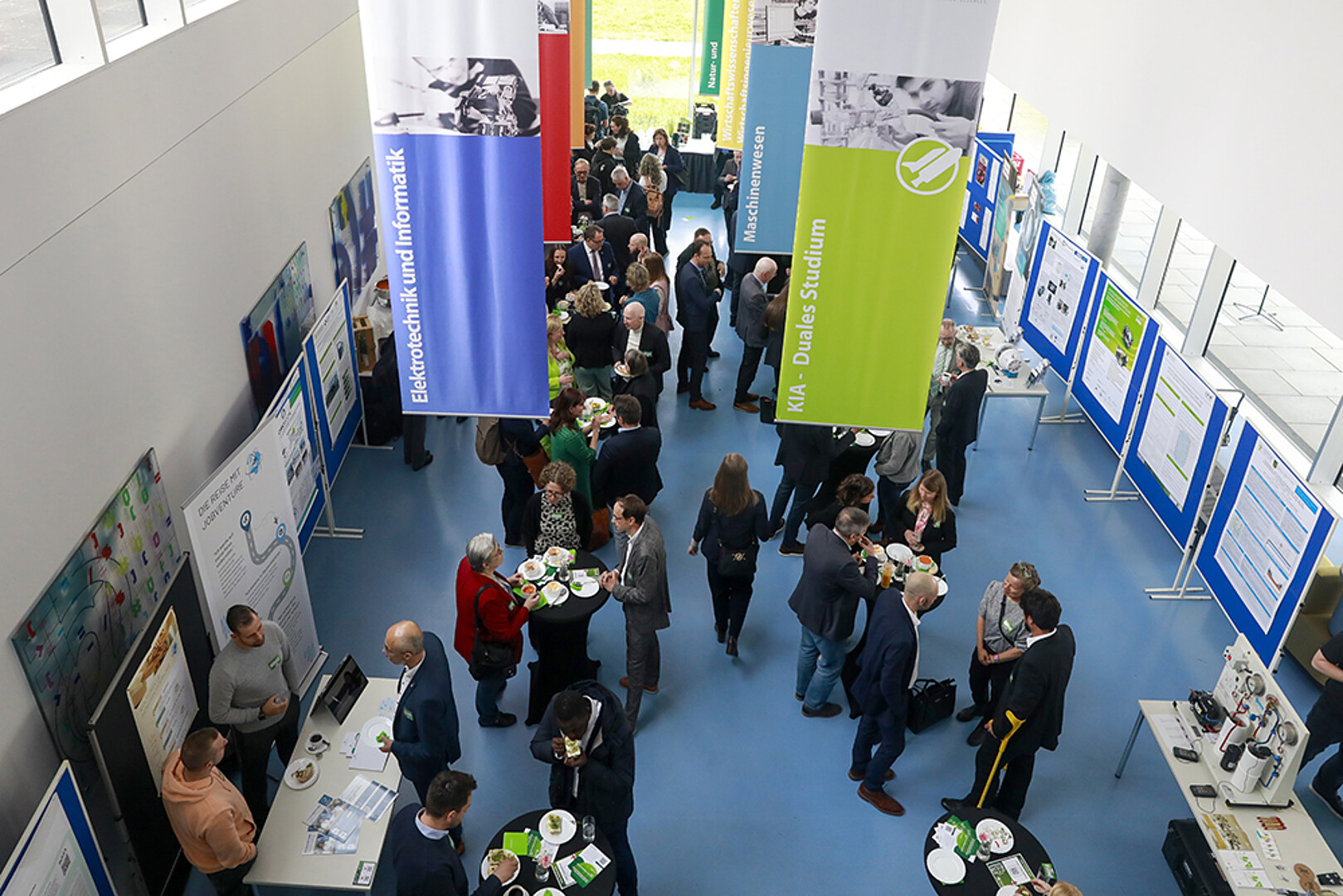
The DHIK forum concluded with a panel discussion on the attractiveness of the location and success factors for the integration of skilled workers. Representatives from science, business and research institutions such as the German Center for Astrophysics and the Fraunhofer-Gesellschaft discussed specific approaches. One key finding: integration is not a one-way street. Openness, mutual understanding and the willingness to bridge cultural differences are crucial for success.






Strong Networks—Regional and International
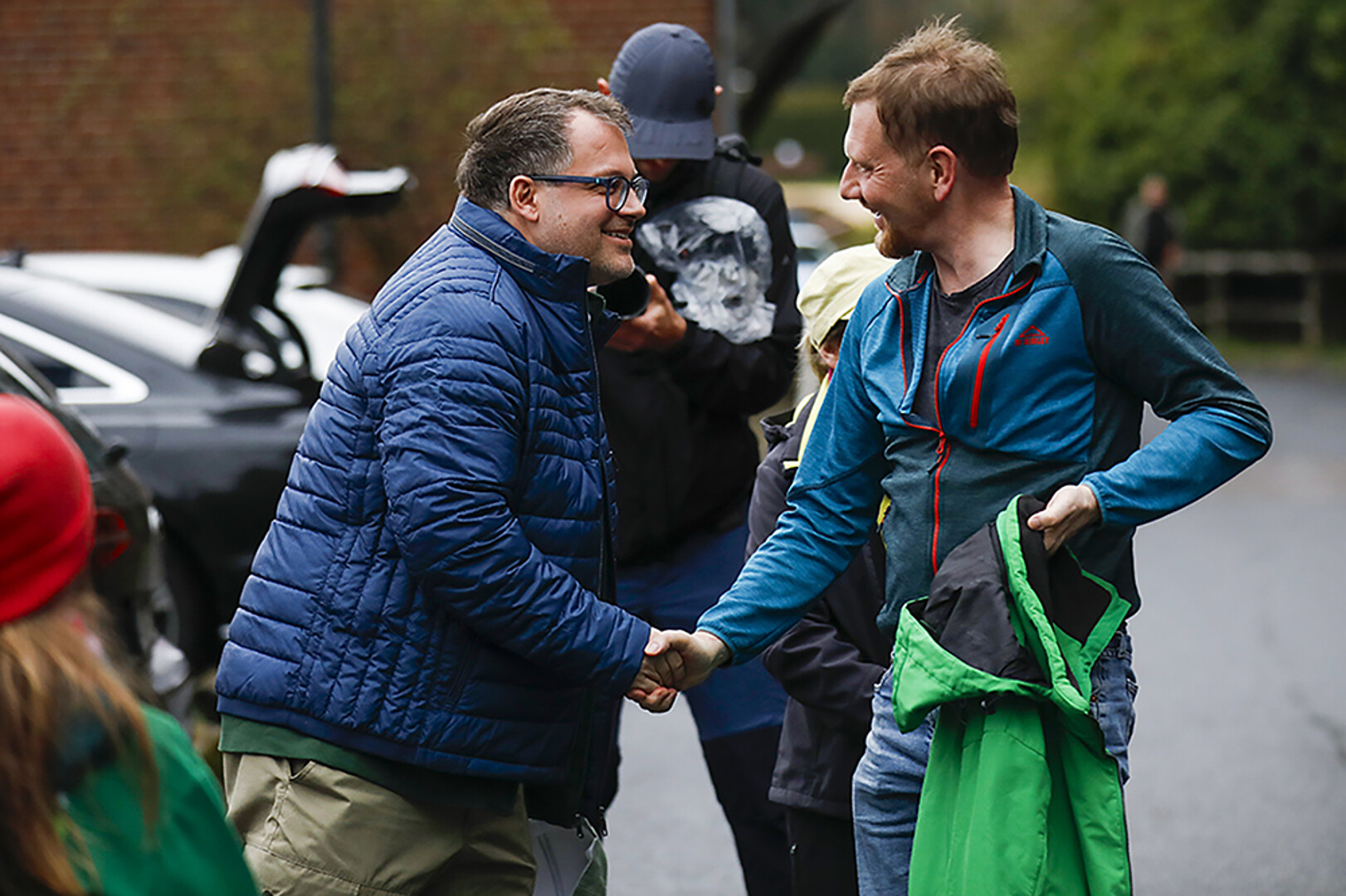
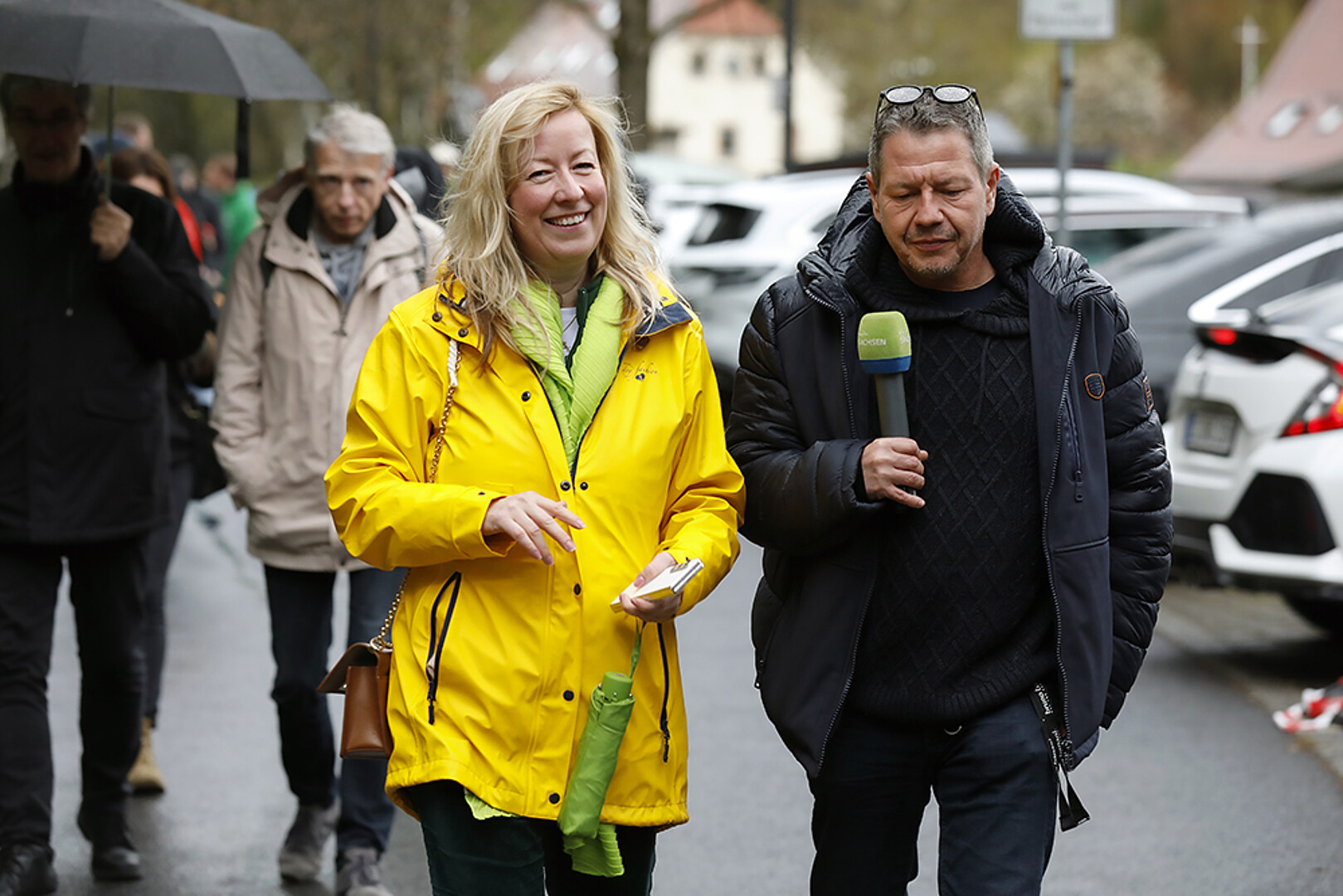
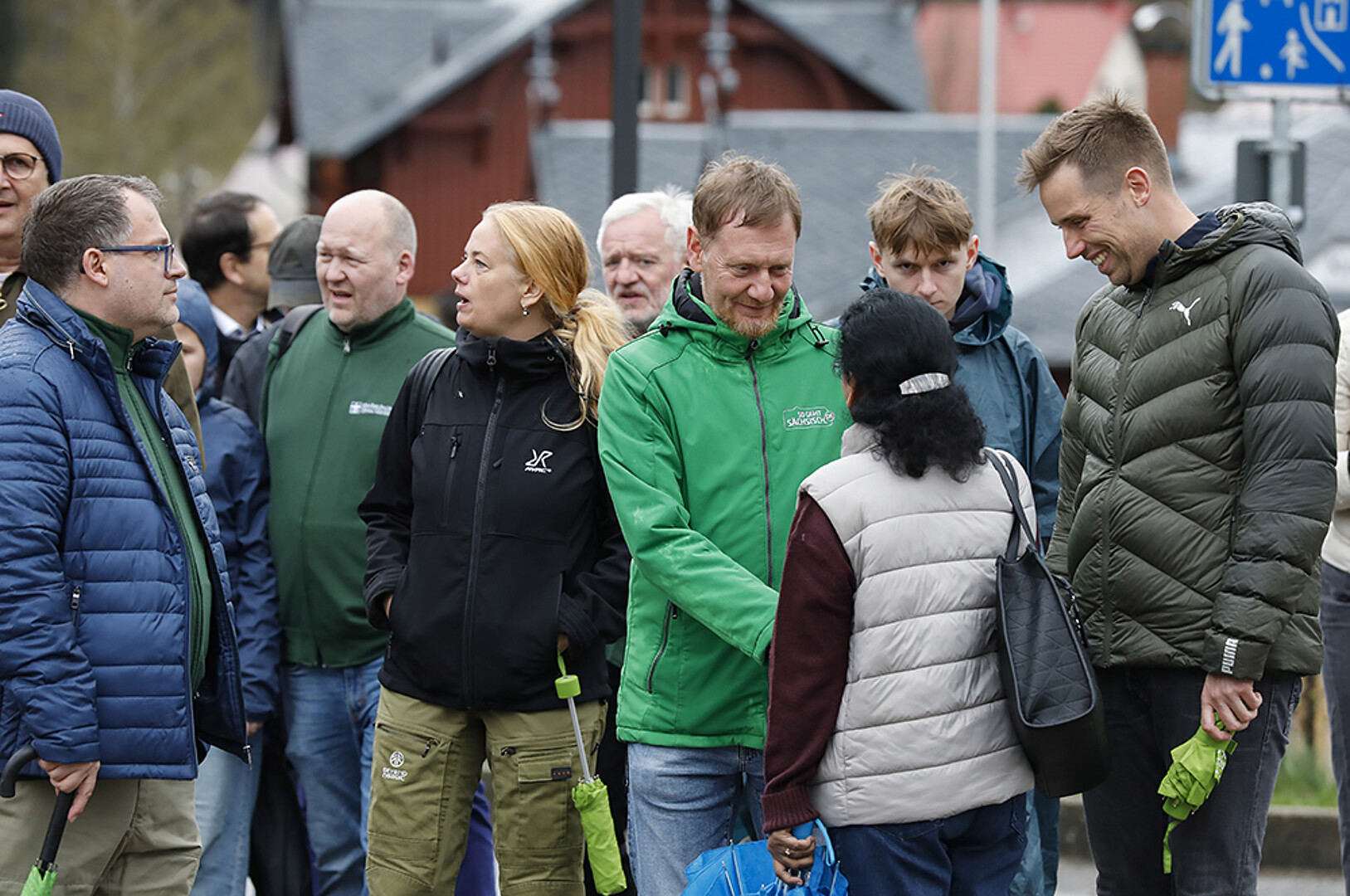
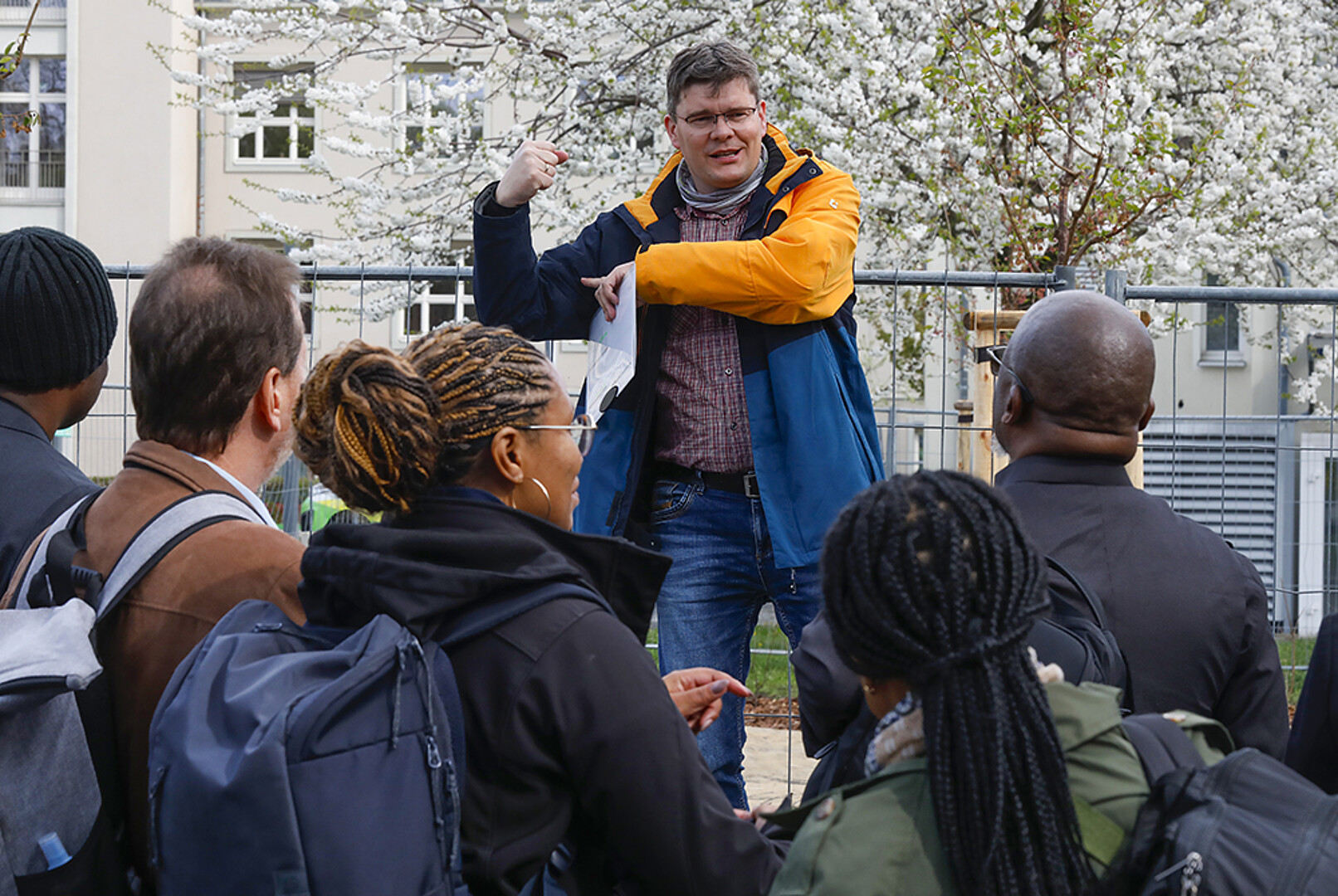
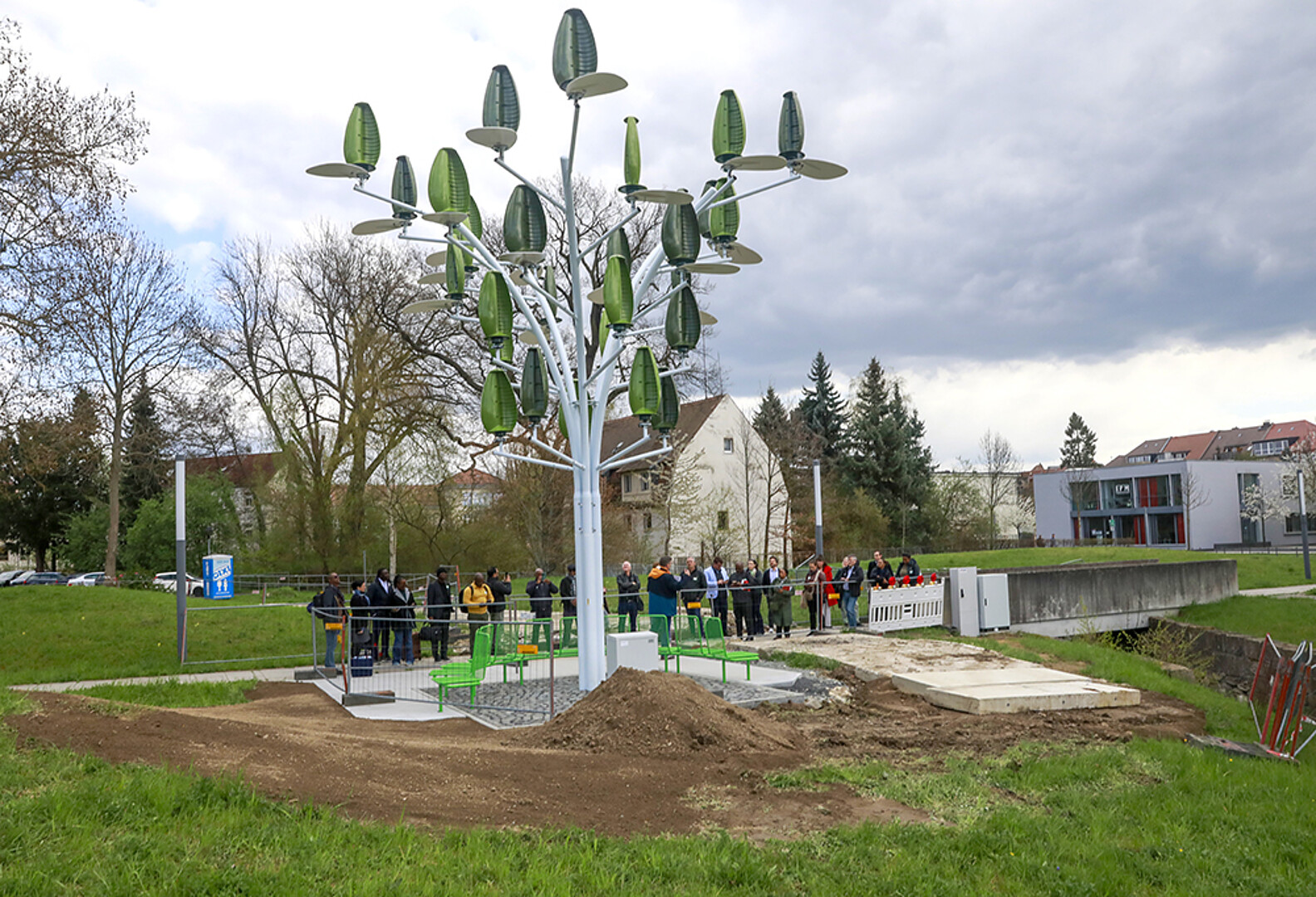
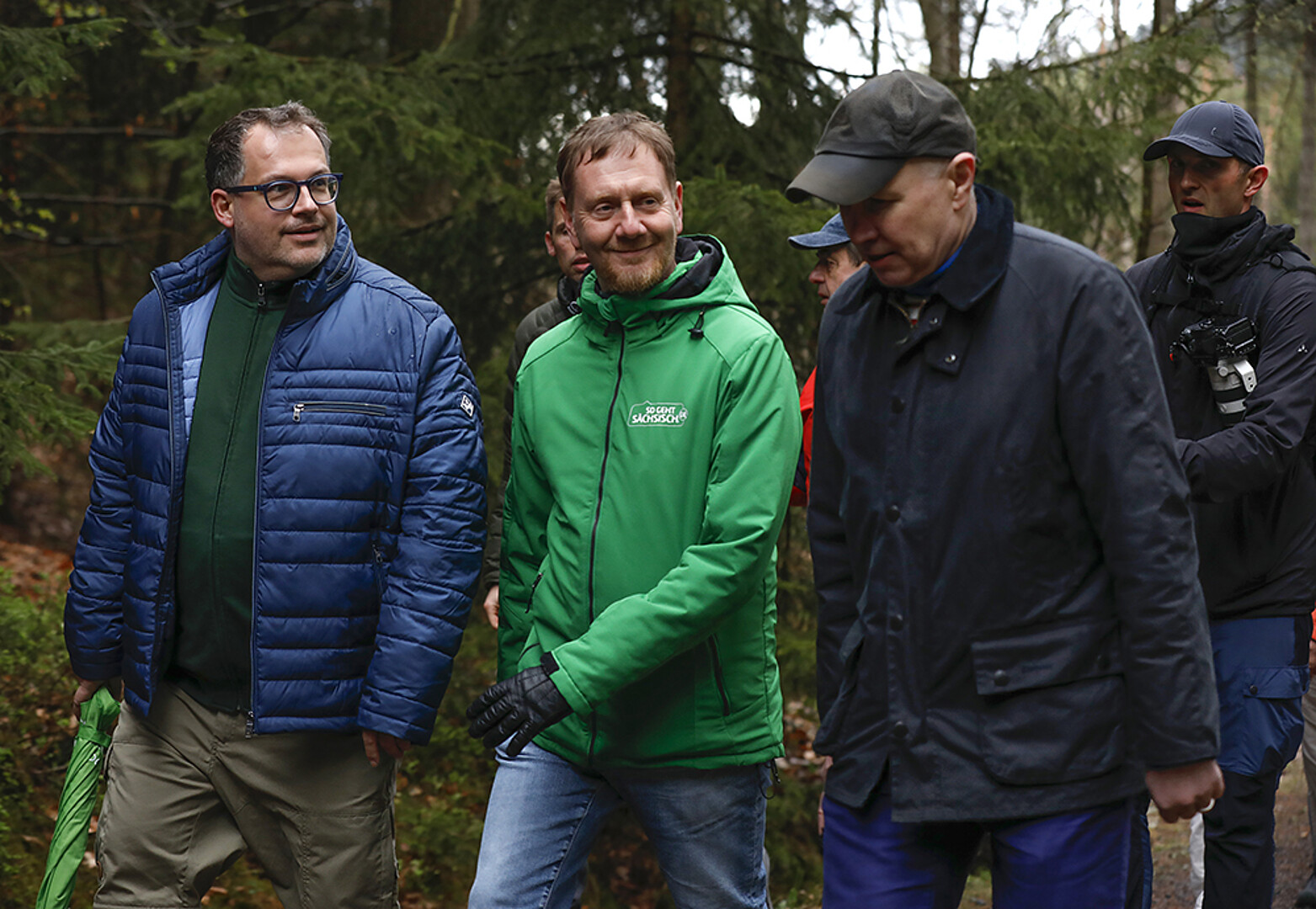
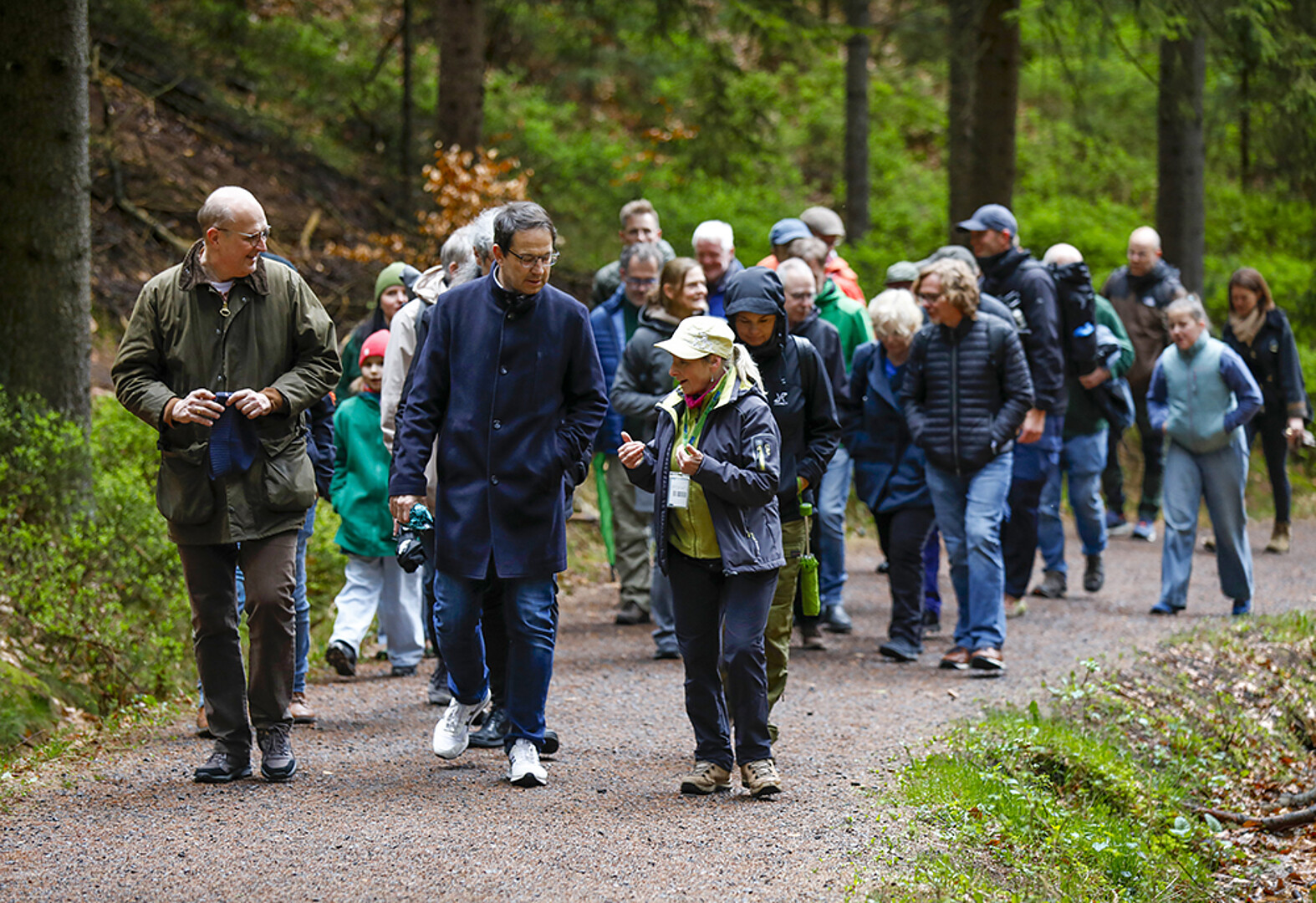
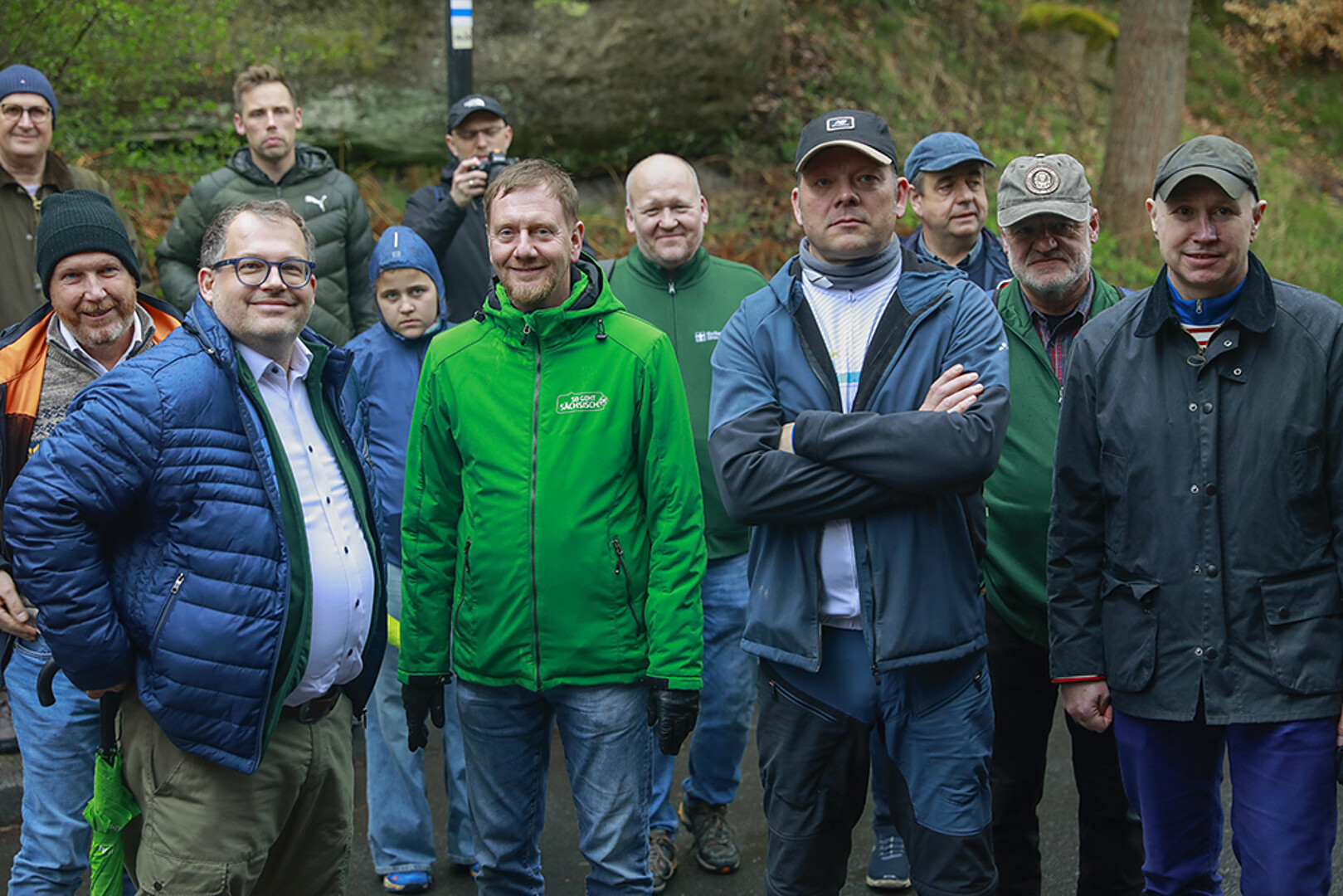
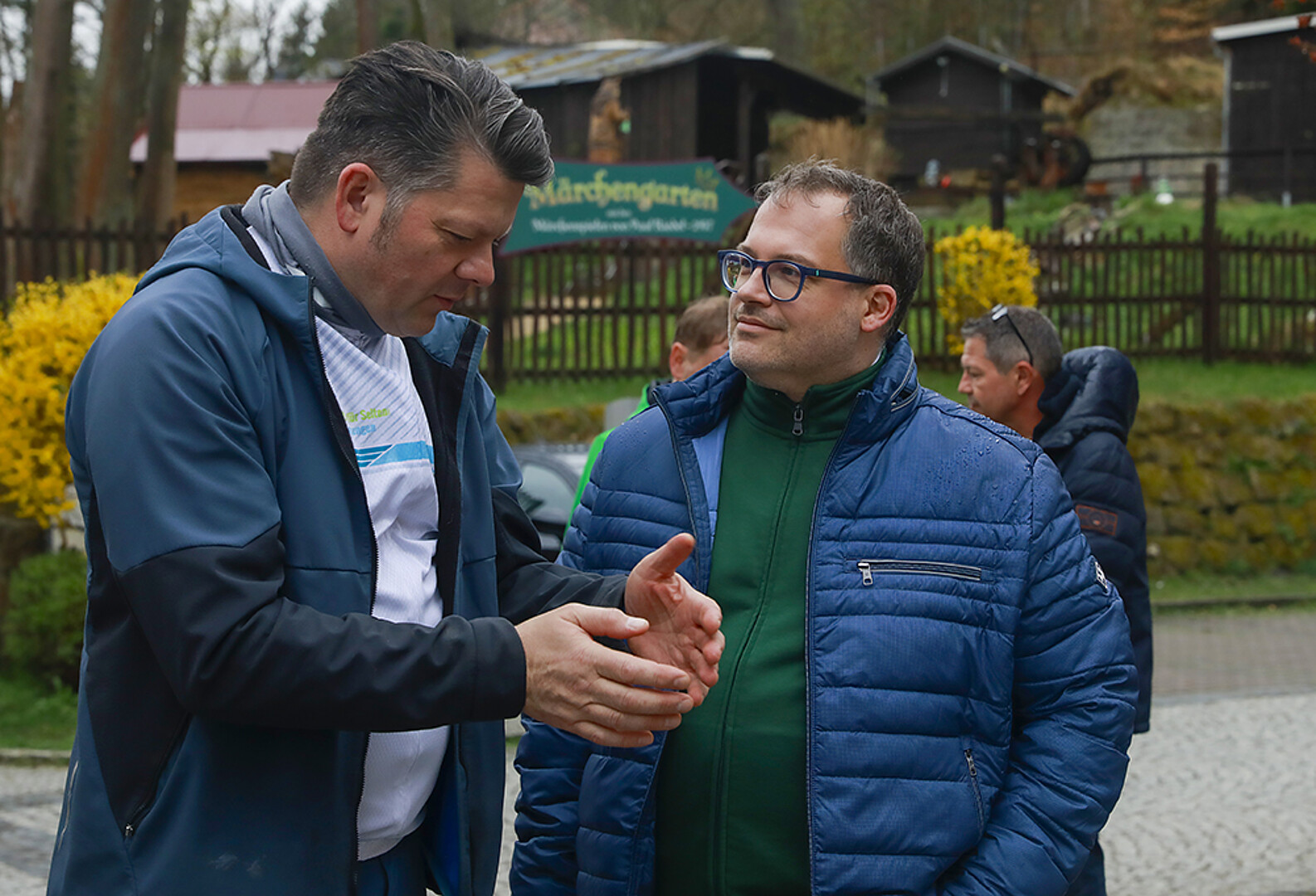
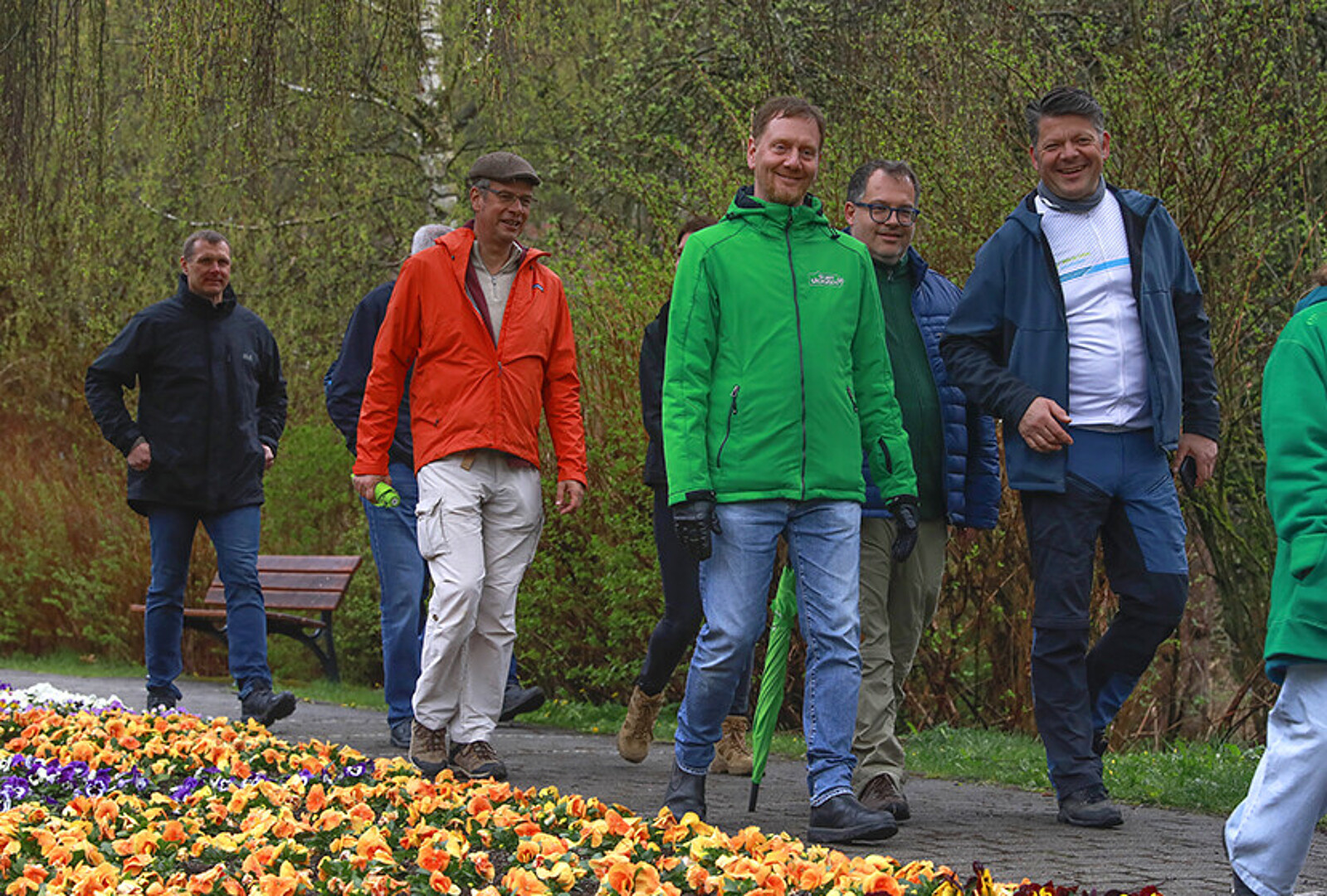
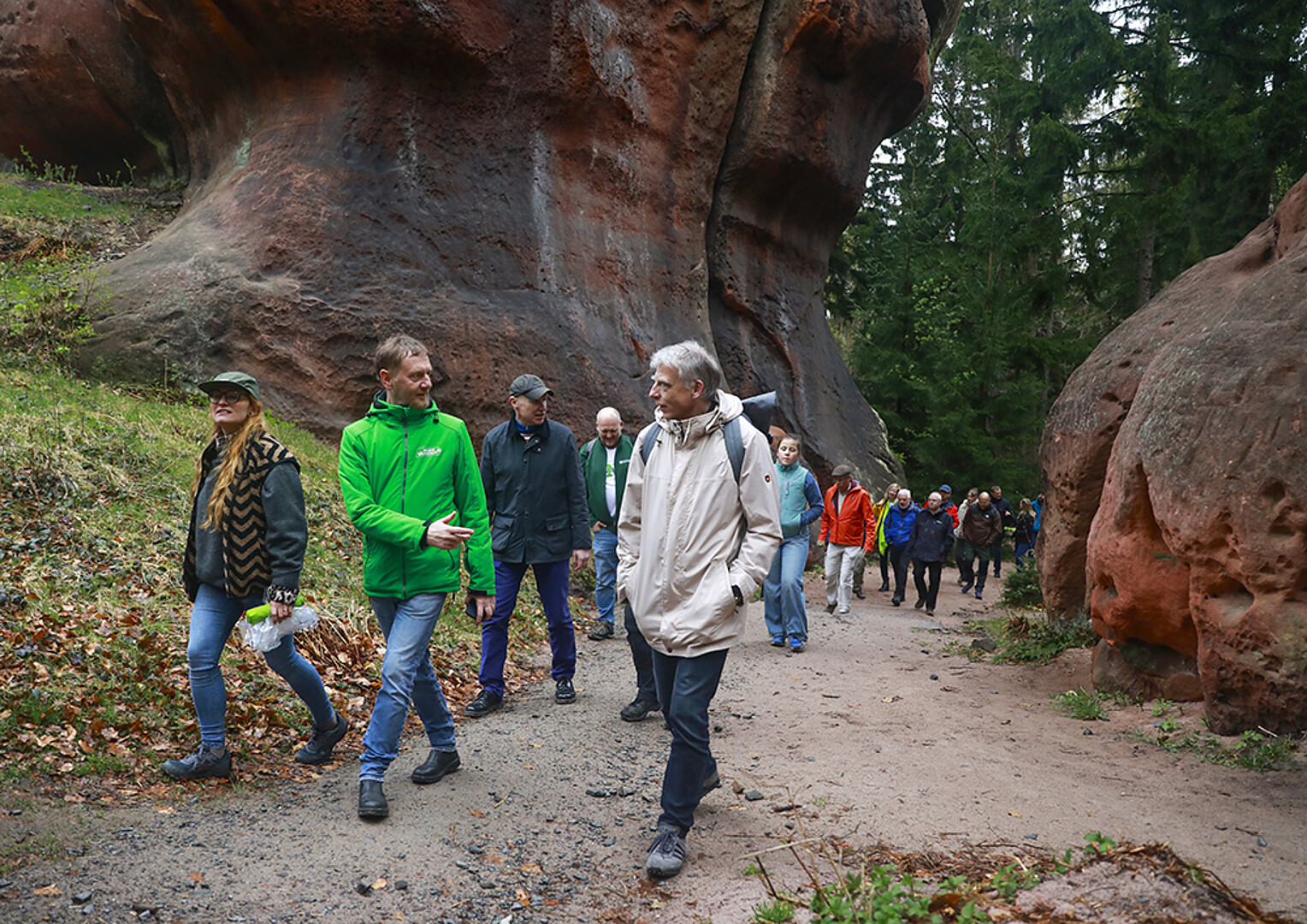
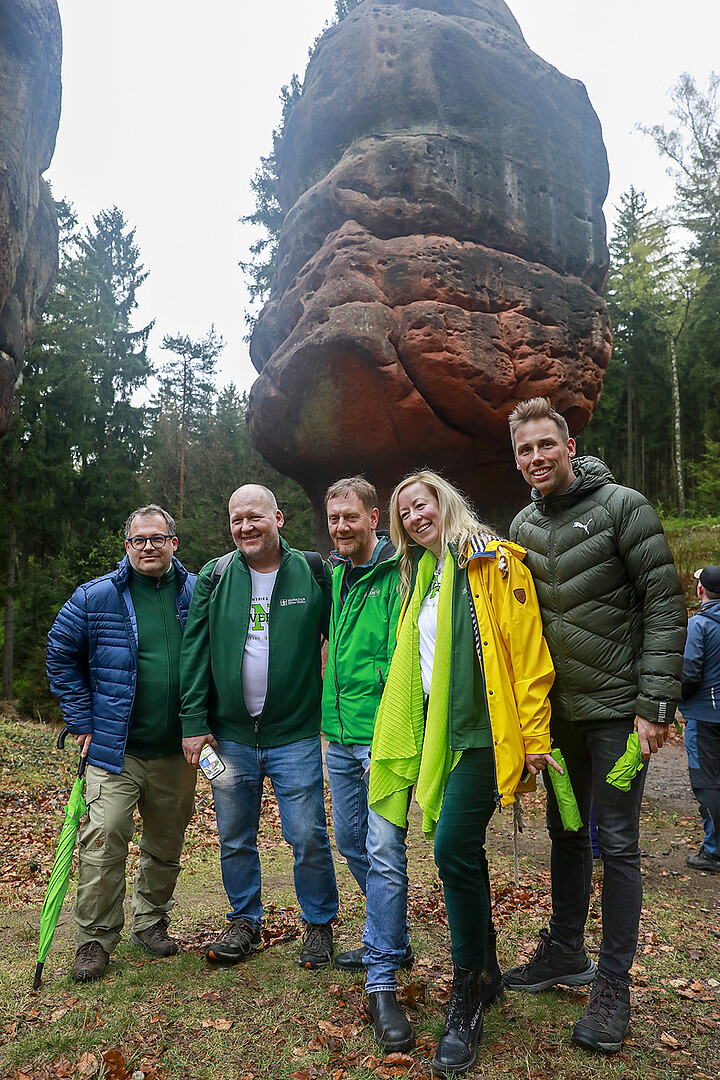
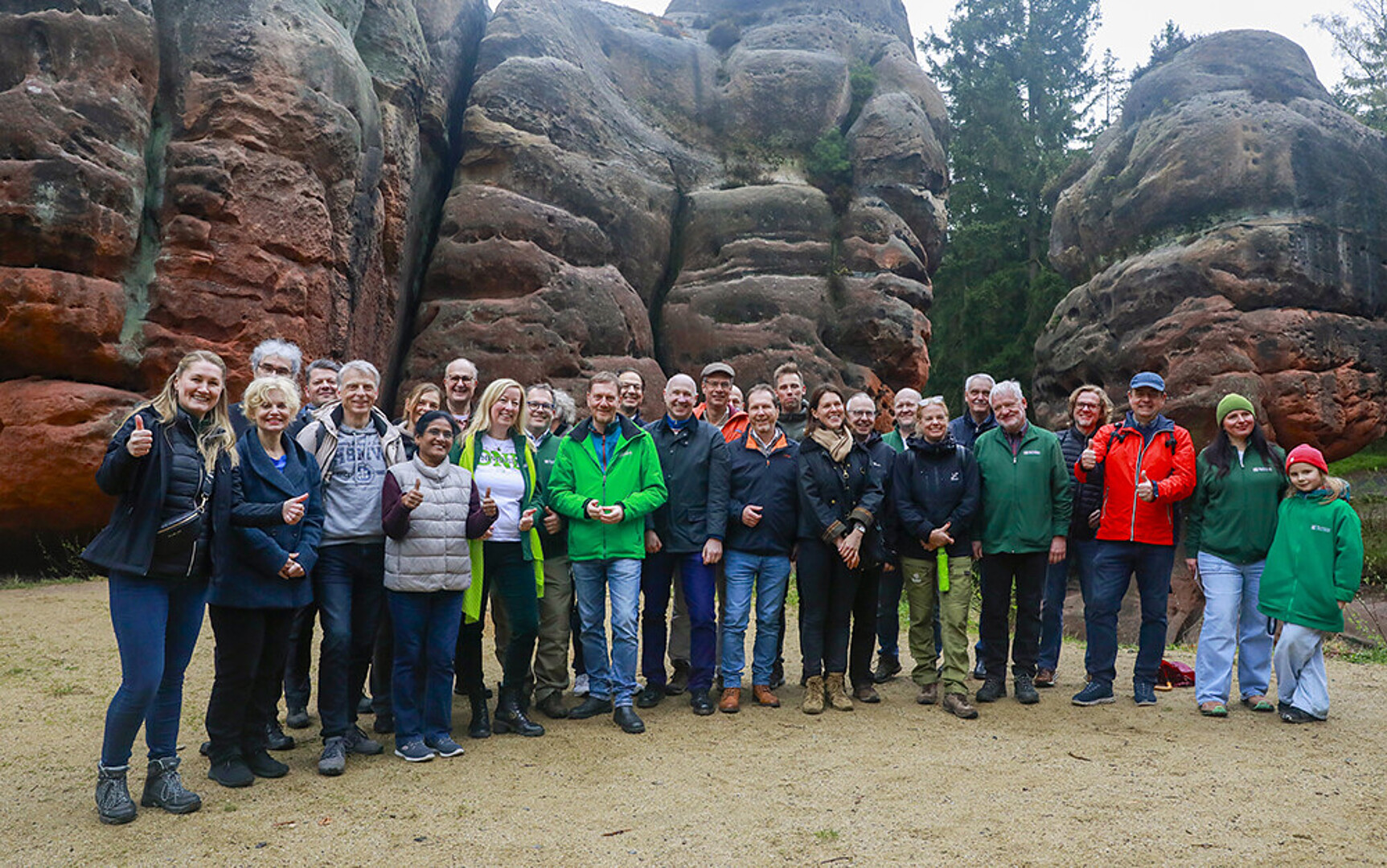
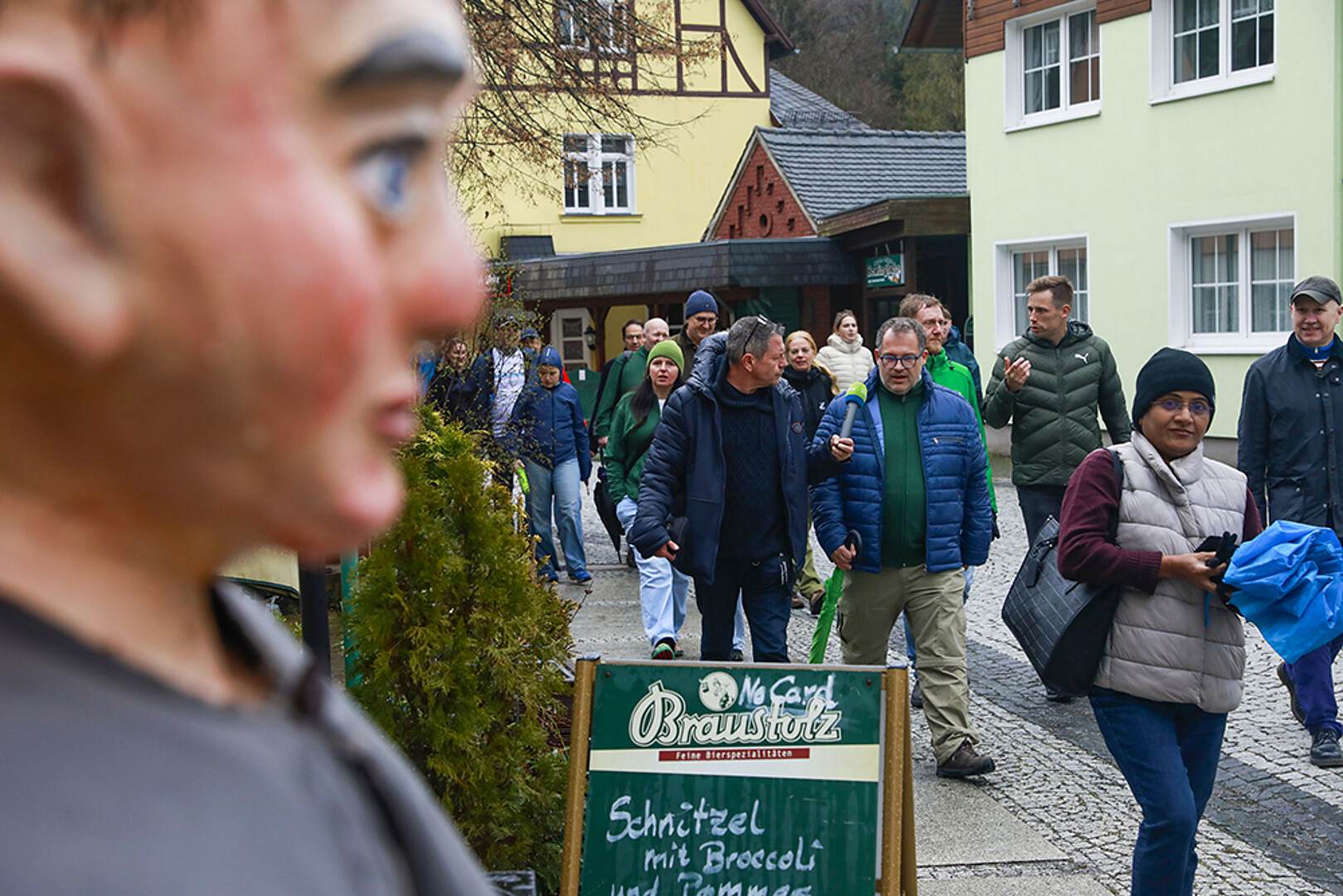
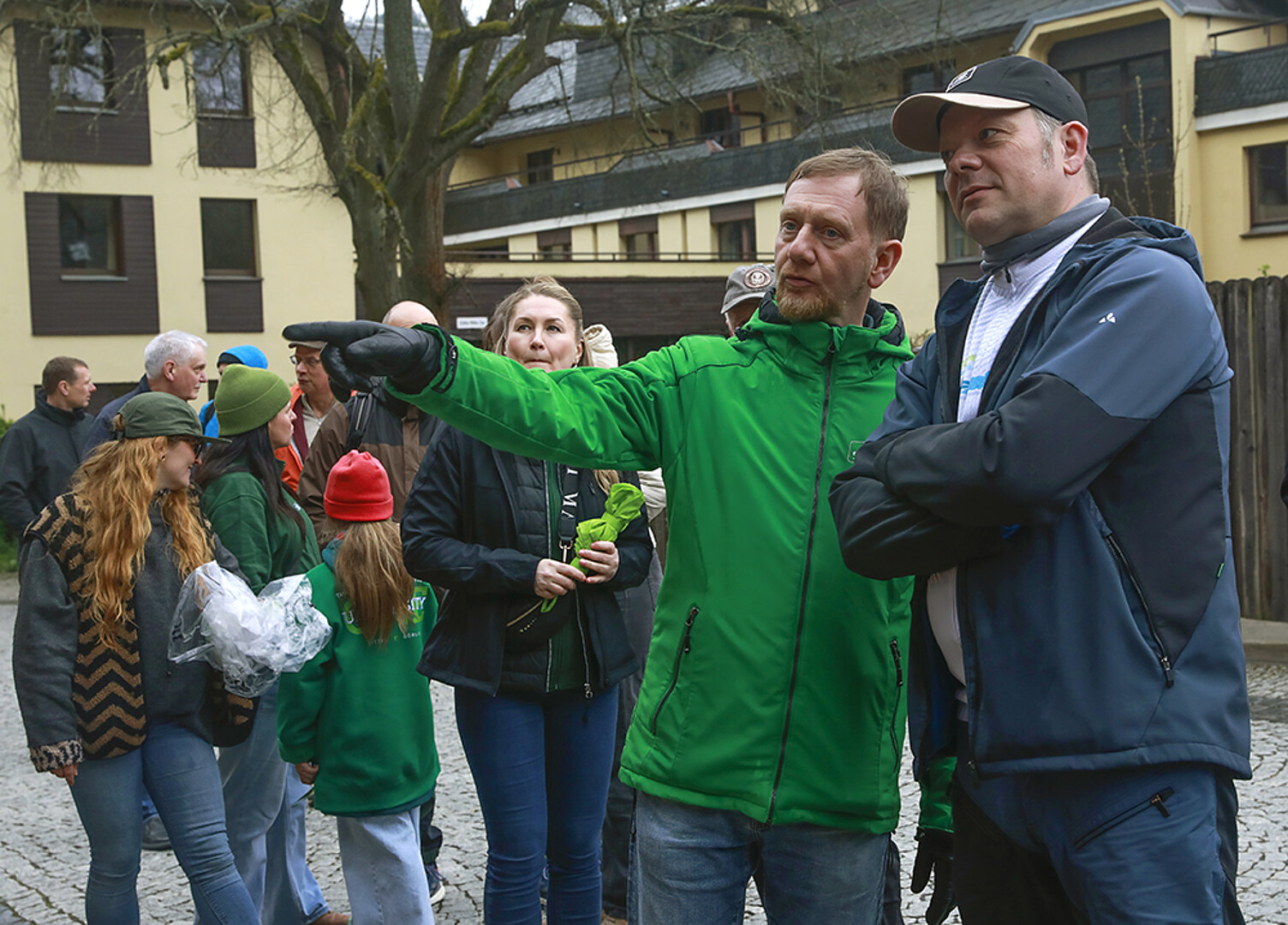
In addition to the substantive discussions, the forum also highlighted the HSZG’s strong network. Even before the forum began, a joint hike in the Zittau Mountains to kick off the multi-day DHIK event series—attended by Saxony’s Minister President Michael Kretschmer, representatives from the DHIK, and figures from politics and business—provided an opportunity for exchange. “If we want all these new institutions, such as the DZA, to have an impact in the region, we need skilled professionals from outside the area. I am very grateful to Zittau/Görlitz University of Applied Sciences for recognizing this and taking the initiative. It will succeed in inspiring others,” said the Prime Minister of Saxony.
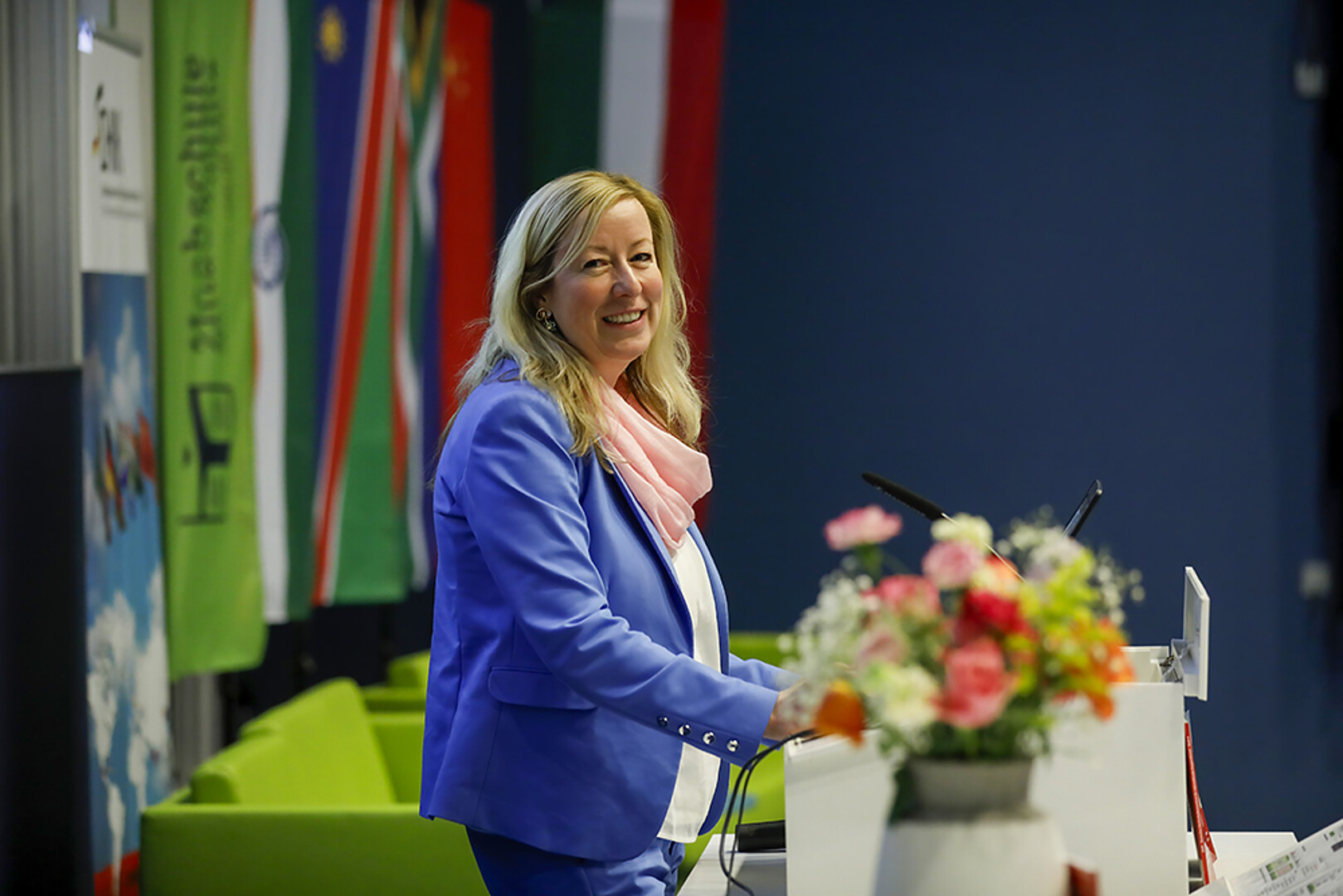
At the same time, it became clear that while the region has great potential, it is not yet sufficiently visible on the international stage. Vice President Prof. Dr. Sophia Keil is certain that this is precisely where initiatives like the DHIK Forum come into play.

Where people, knowledge and ideas come together, the future is created. Together, we are shaping this future: from Lausitz into the world.
”Outlook: Cooperation with THENSA gains momentum
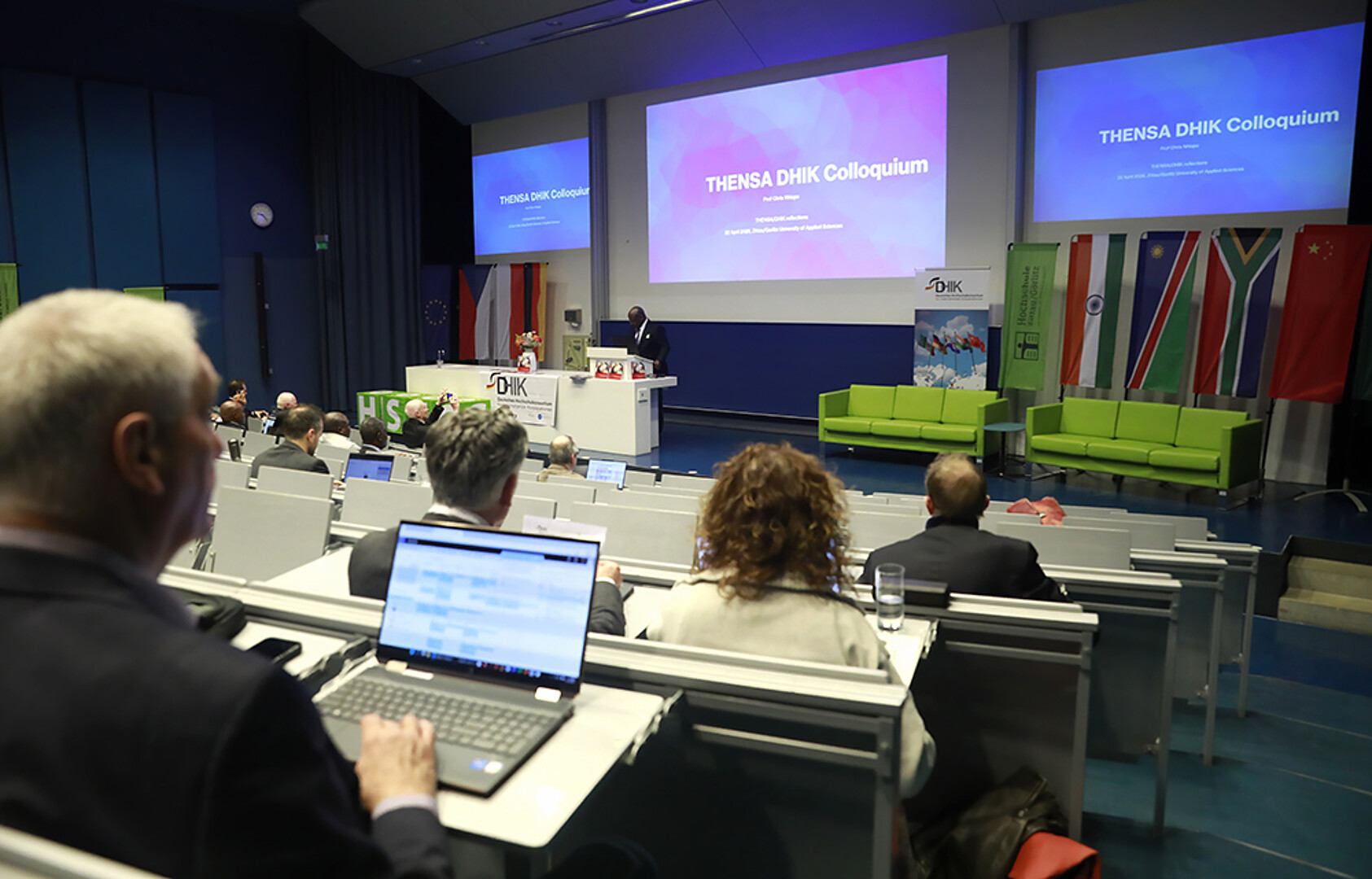
At the THENSA/DHIK Colloquium on April 22, the focus was therefore consistently on the future: In six thematic clusters, the international partners developed concrete approaches for further cooperation. Discussions included cooperation in the fields of information technology and artificial intelligence, health and tourism as well as the circular economy and sustainability.
The HSZG contributed its expertise and ongoing projects to all clusters and met with great interest. The first concrete ideas for cooperation have already been discussed in talks between the cluster managers and professors from the HSZG. For example, in the fields of Electrical Engineering and Computer Science as well as Tourism. These are now to be expanded further.
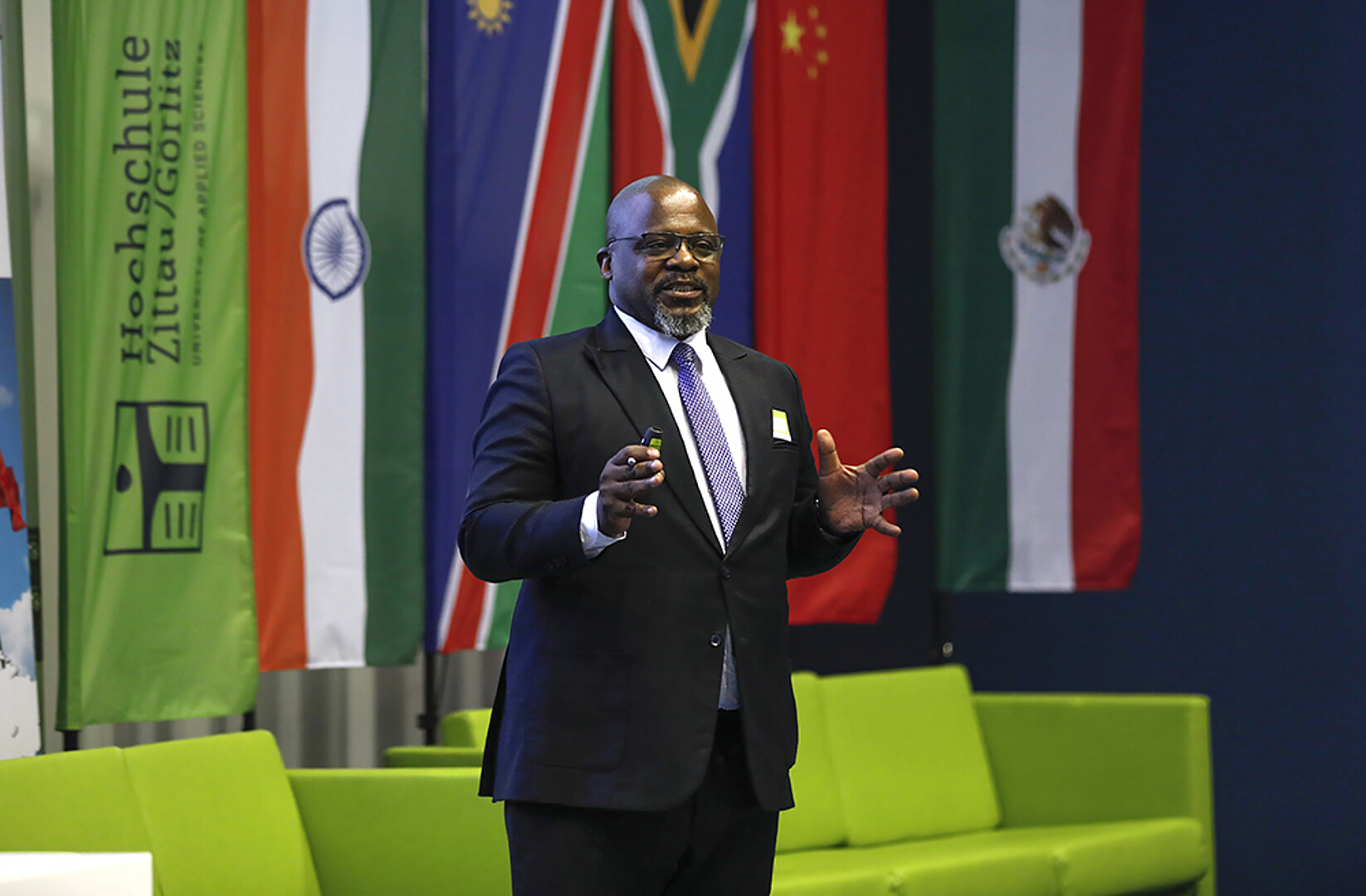
The exchange of students also played an important role: participation in summer and winter schools was agreed as well as other formats of international cooperation. "The great advantage of our cooperation lies in the exchange between our teaching staff and students and the fact that we can conduct research together," emphasizes Prof. Stephen Khehla Ndlovu, Deputy Chairperson of the THENSA Board of Directors.
The colloquium thus sends a clear signal: cooperation with partners in South Africa and Namibia is being intensified in a targeted manner and opens up new opportunities for students at the HSZG, for the international transfer of knowledge and for the development of skilled workers in the region.
HSZG: A Reliable Partner and Warm Host
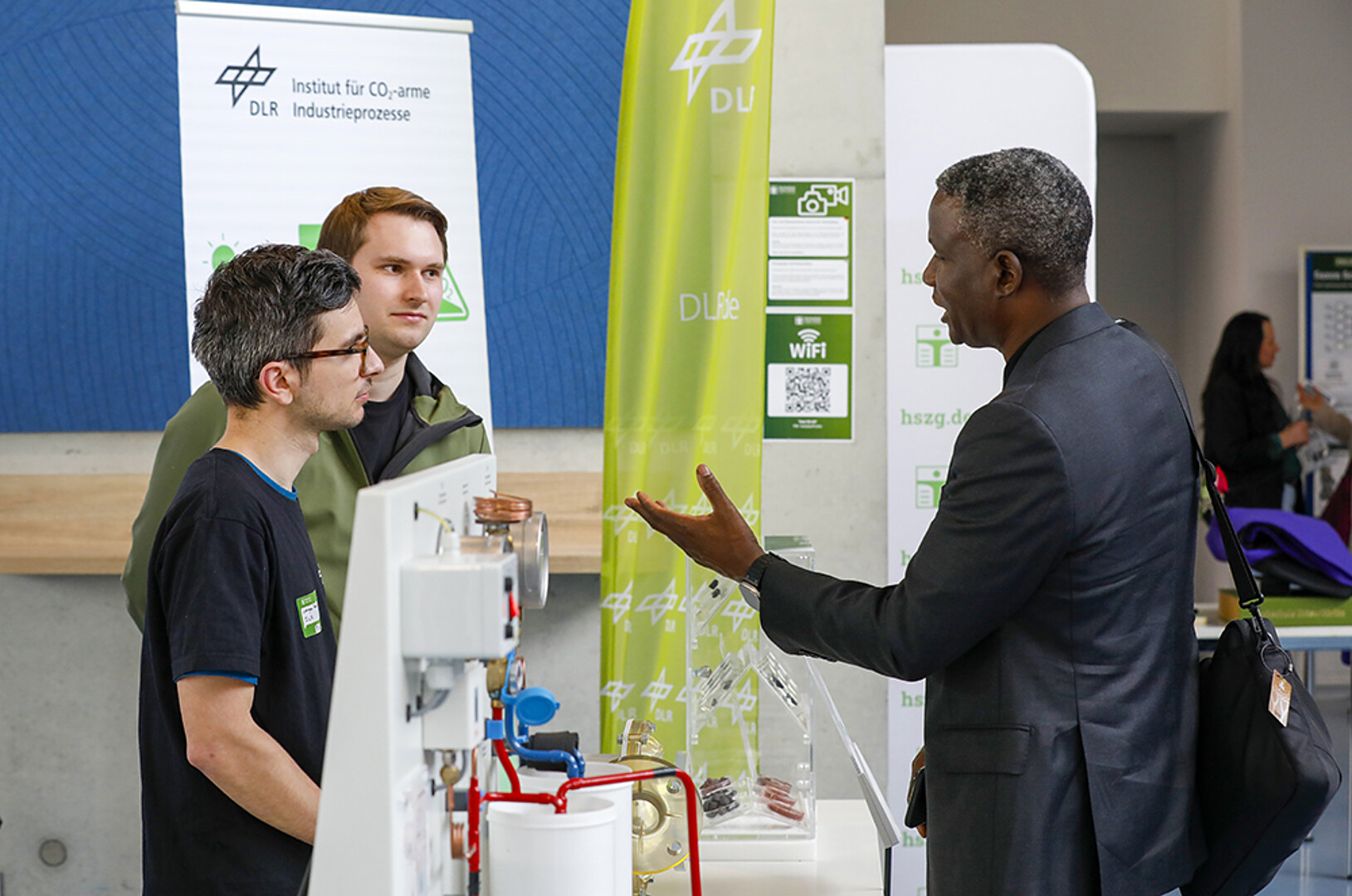
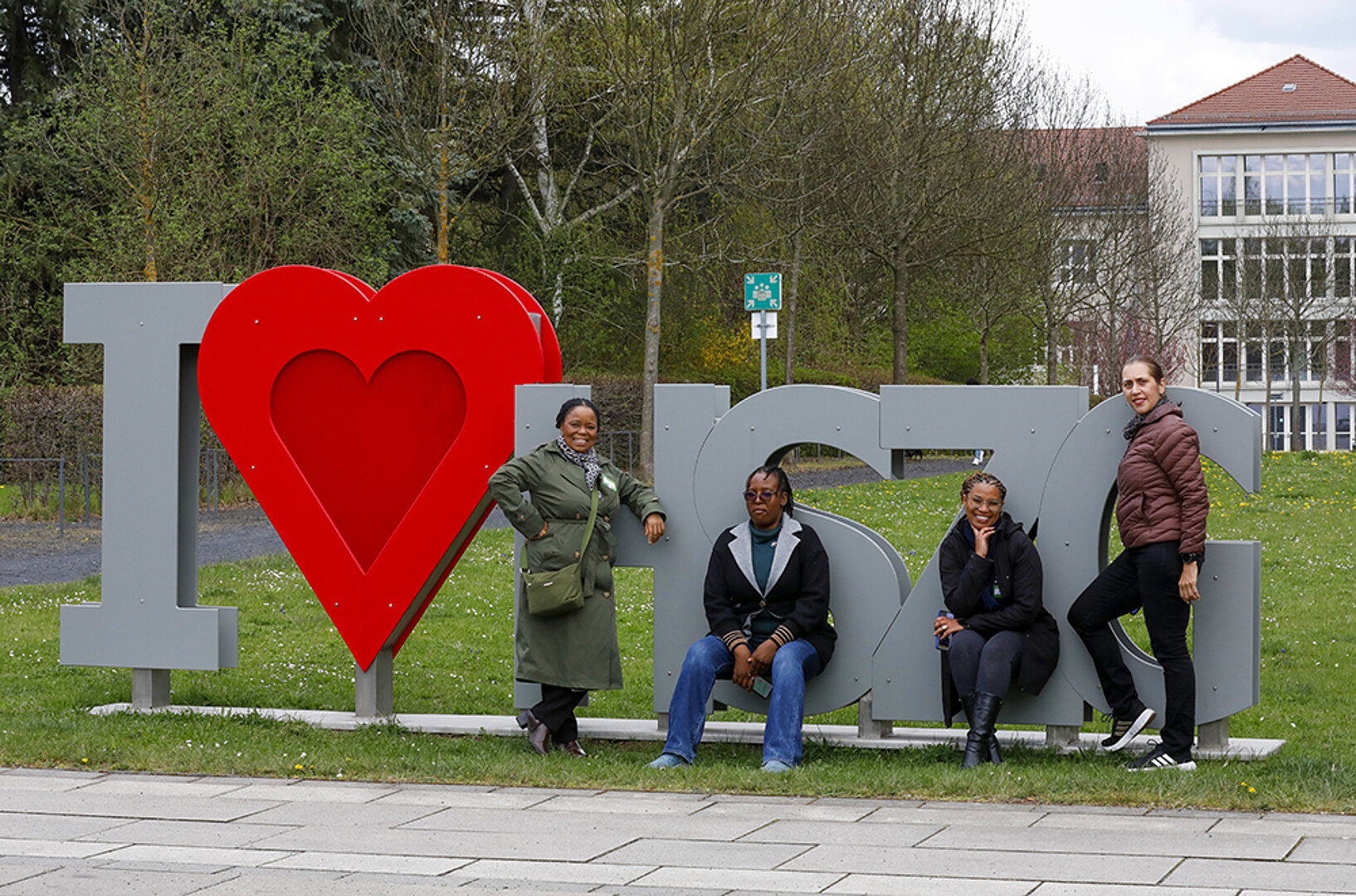
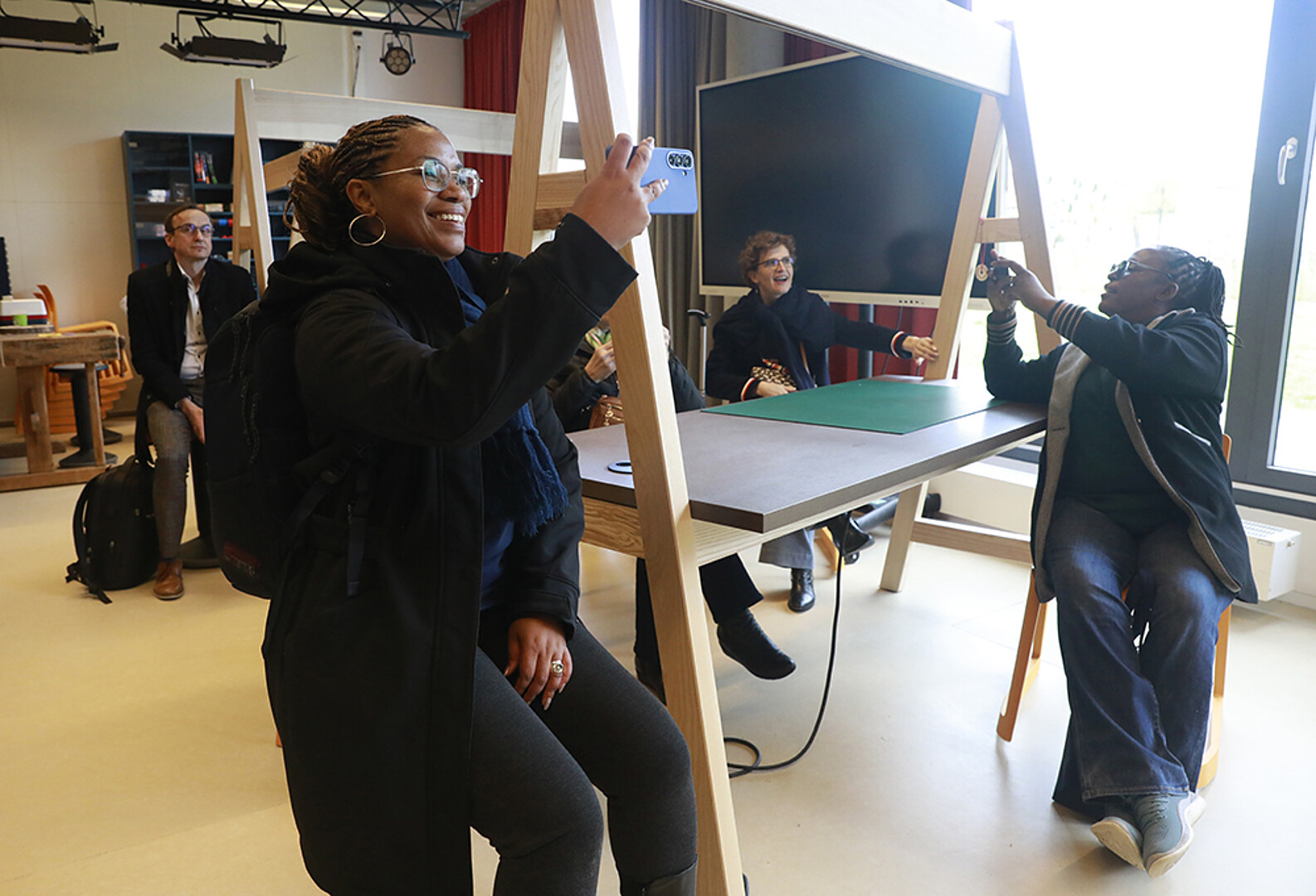
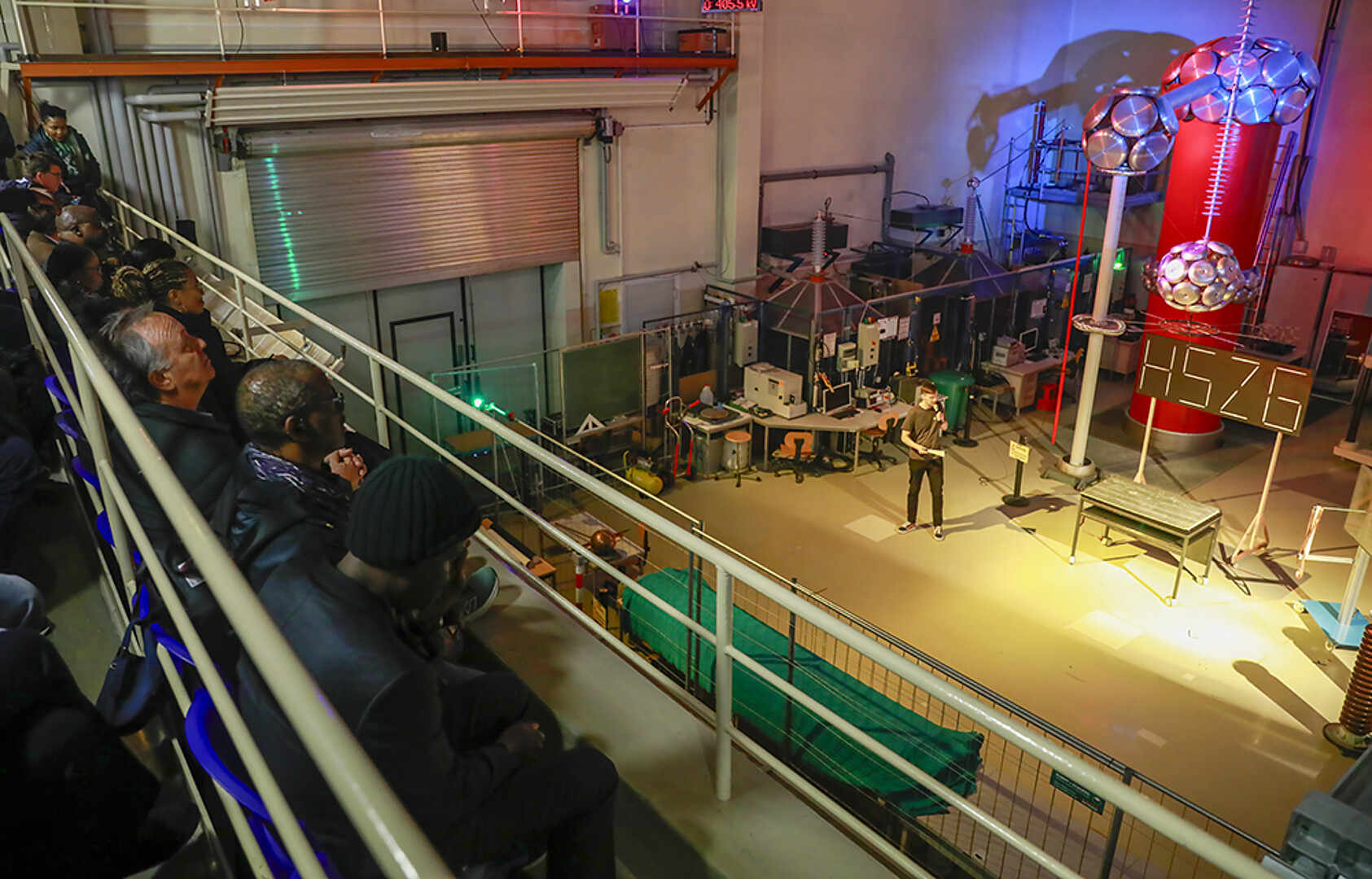
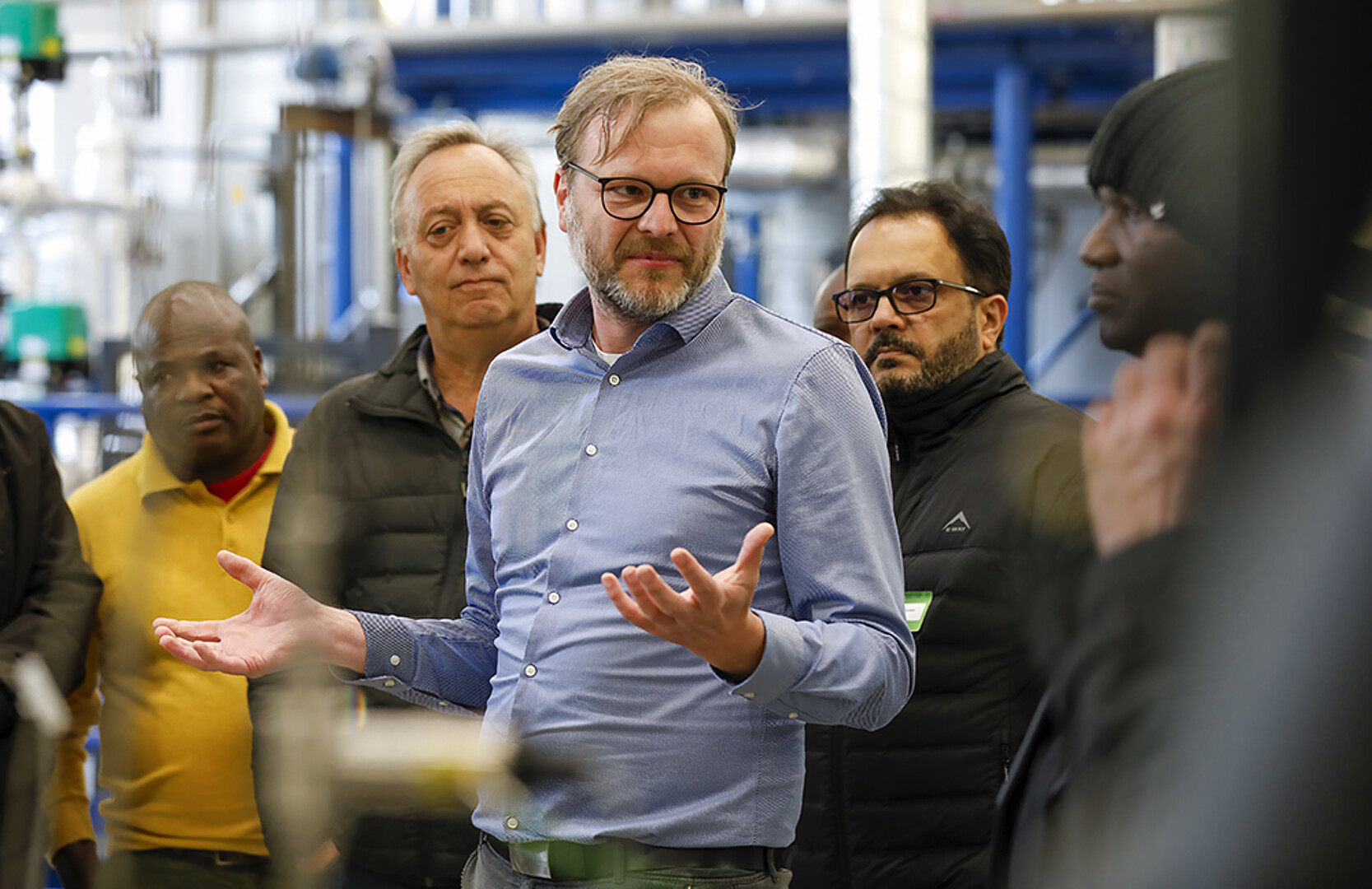
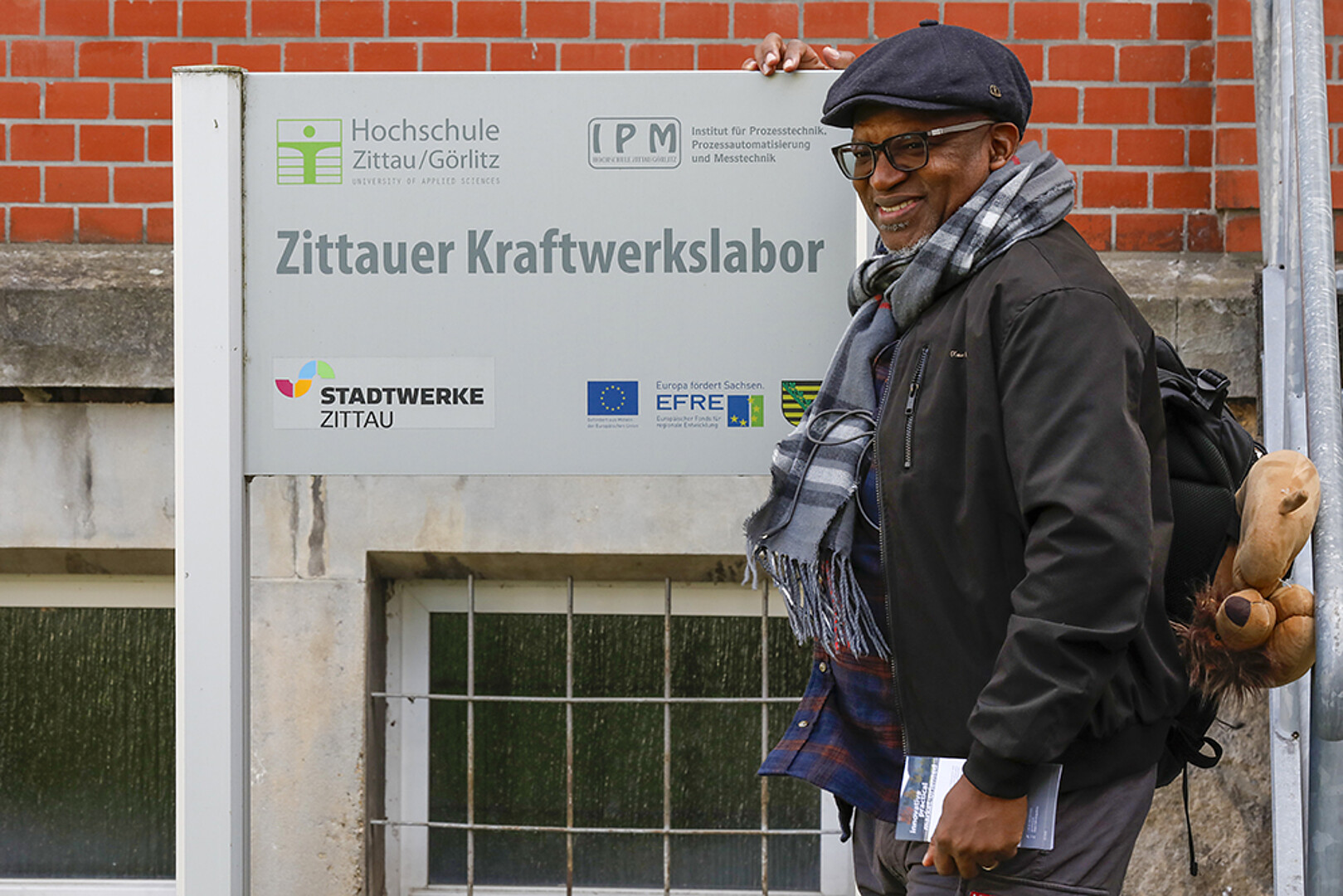
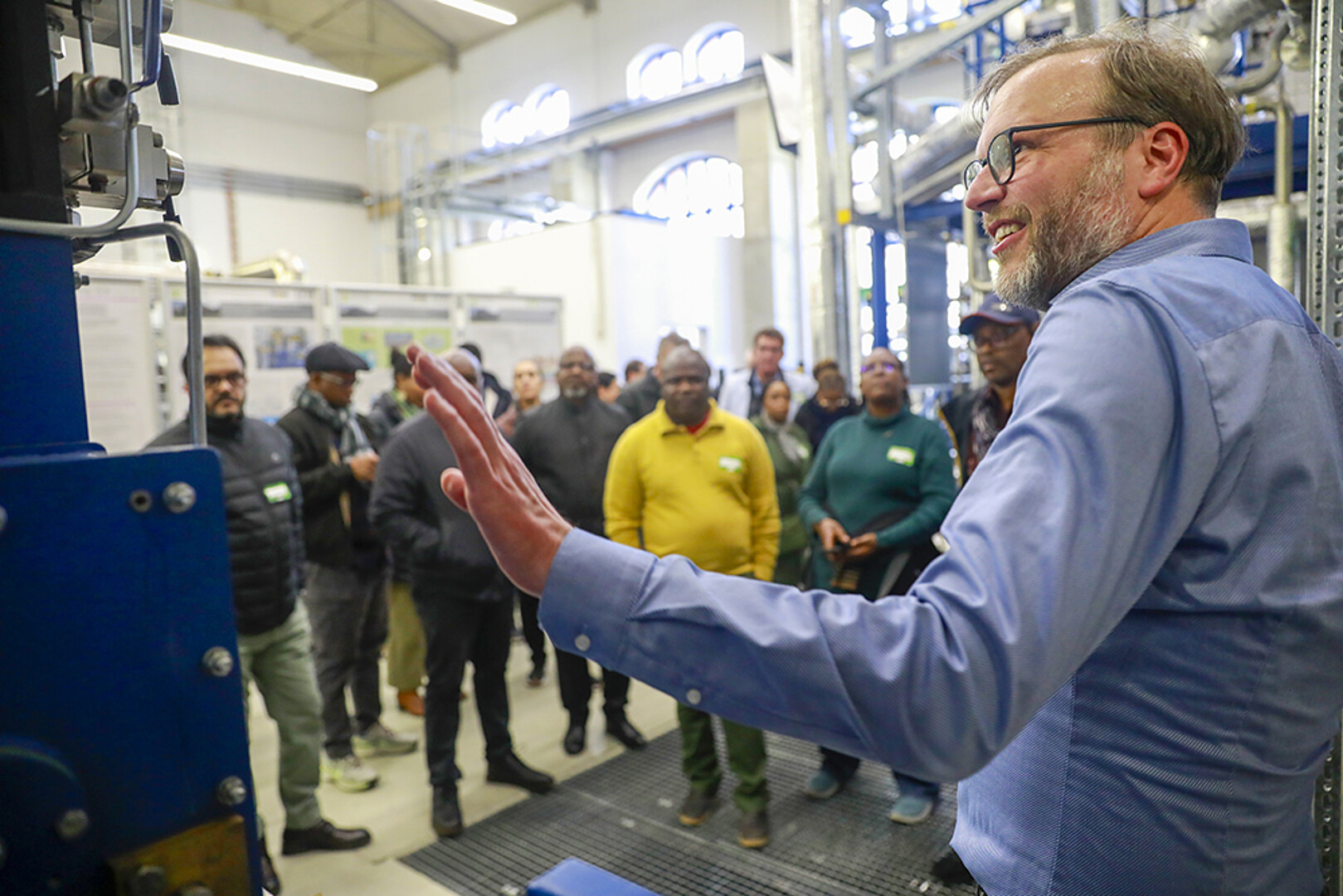
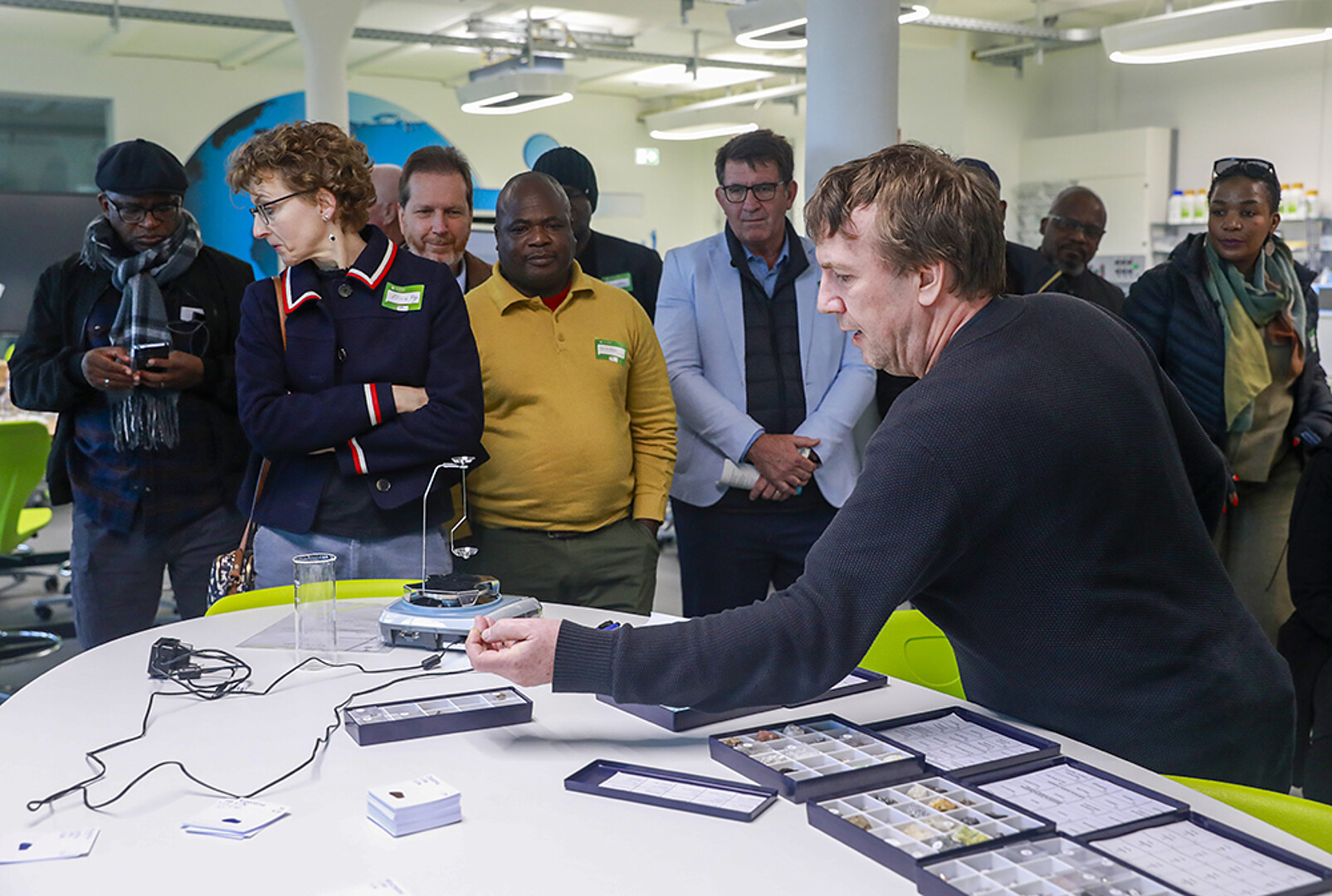
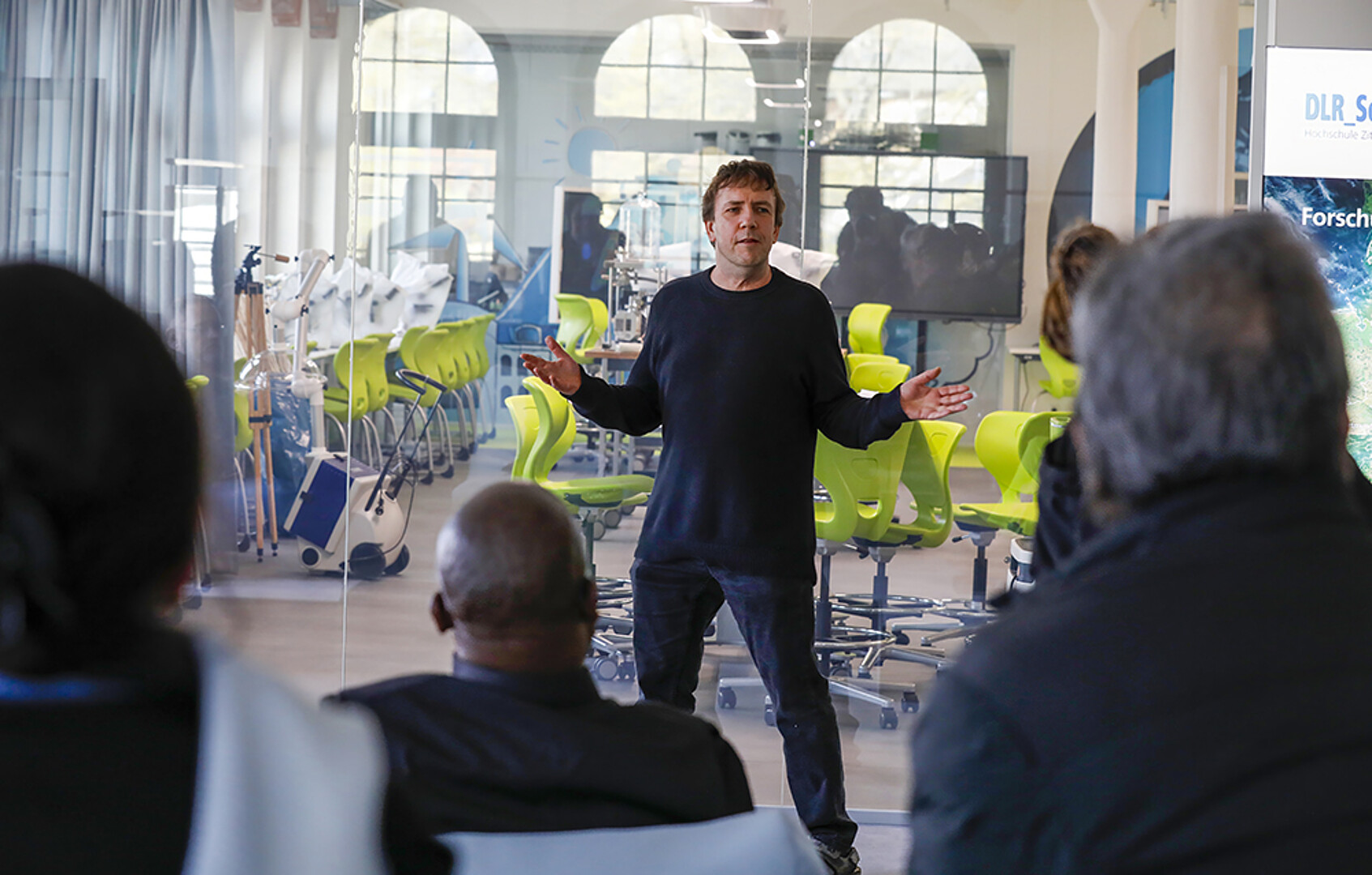
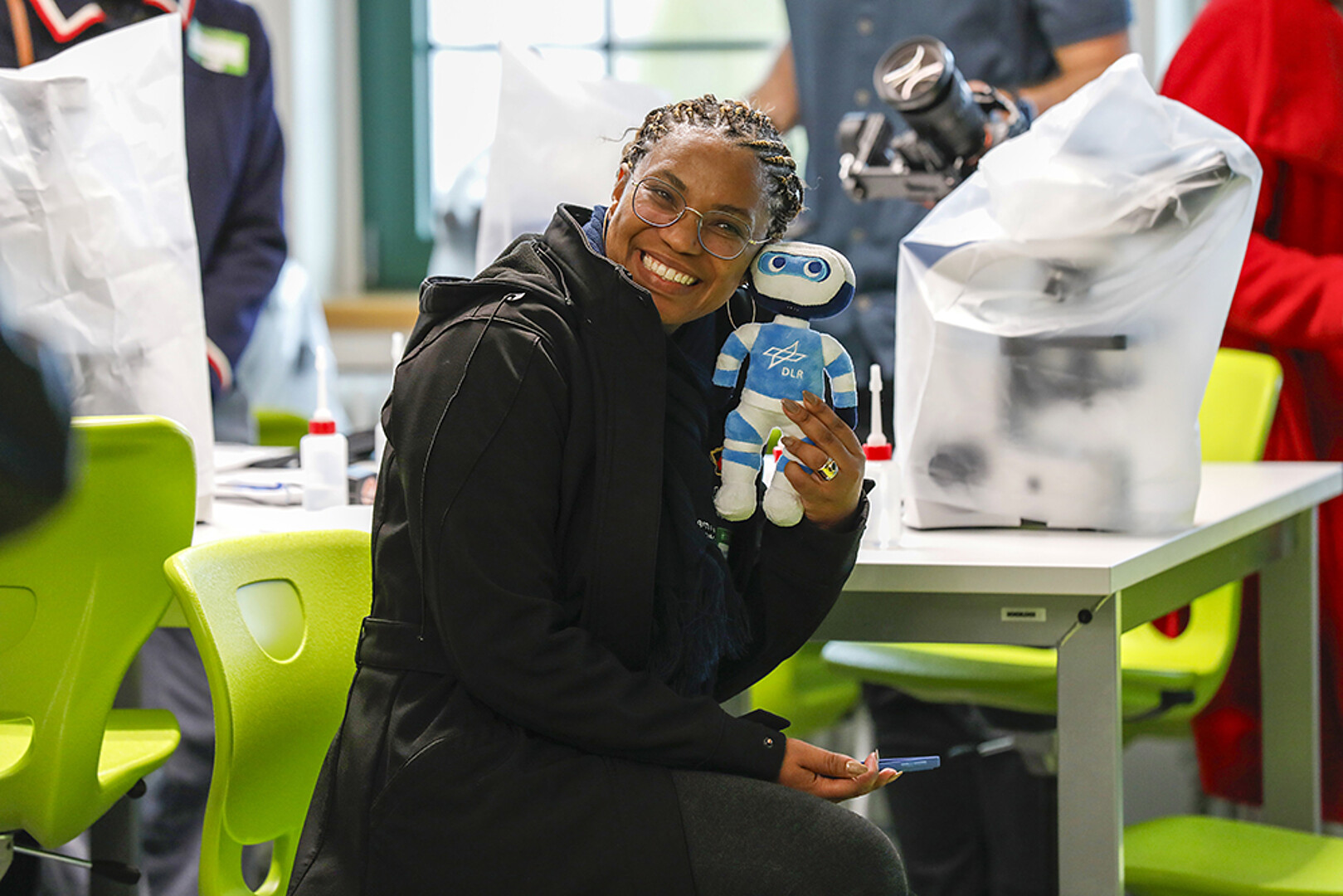
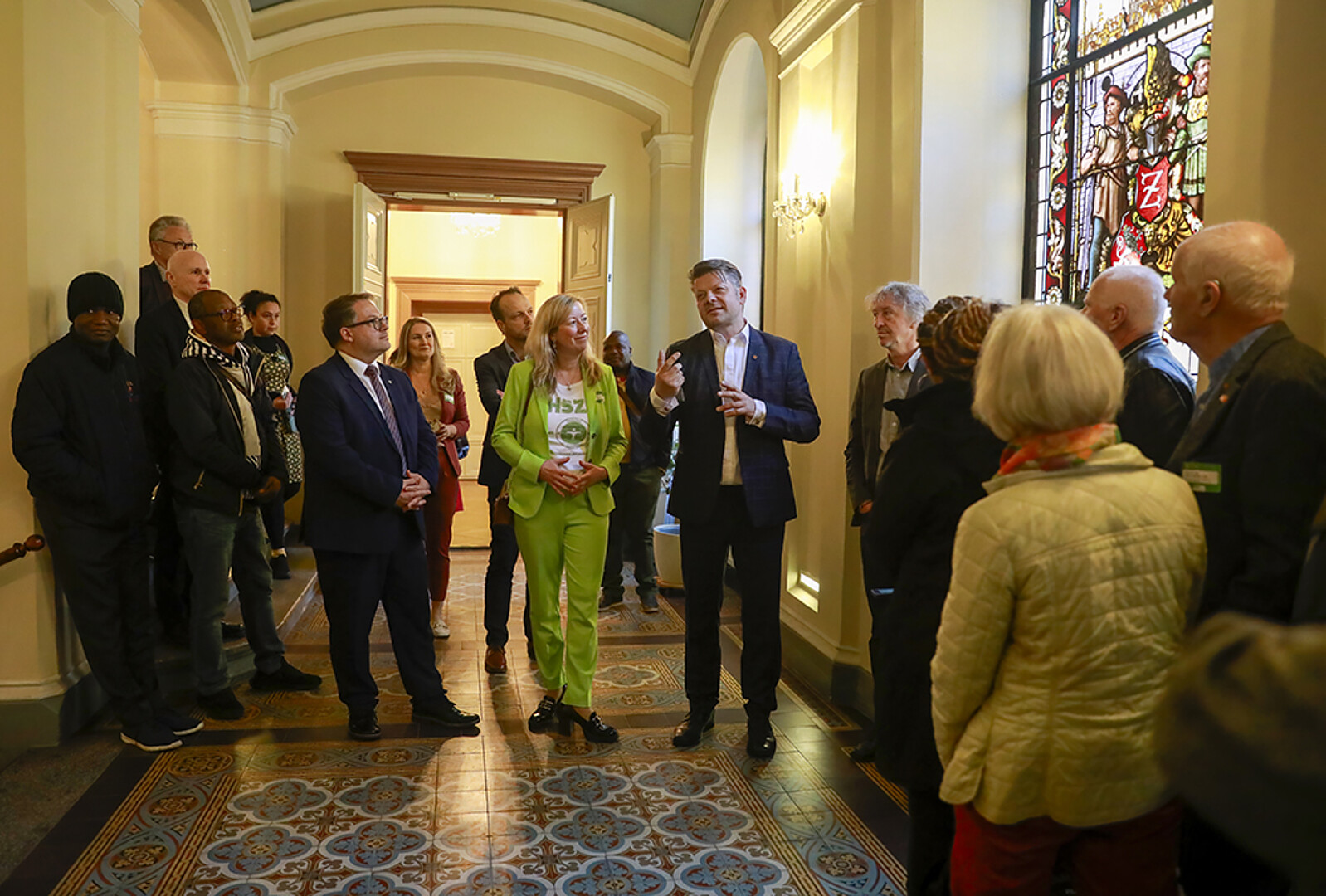
During their several-day stay at HSZG, the international guests gained a comprehensive insight into the region and the university’s capabilities. Campus tours, as well as visits to the Zittau Power Plant Laboratory and the high voltage facility, gave them a firsthand experience of the university’s research strength and modern facilities. Initiatives such as the ZukLOS program—featuring the newly opened makerspace —and the DLR_School_Lab at Zittau/Görlitz University of Applied Sciences also impressively demonstrated how the promotion of young talent and hands-on education are integrated from an early stage.
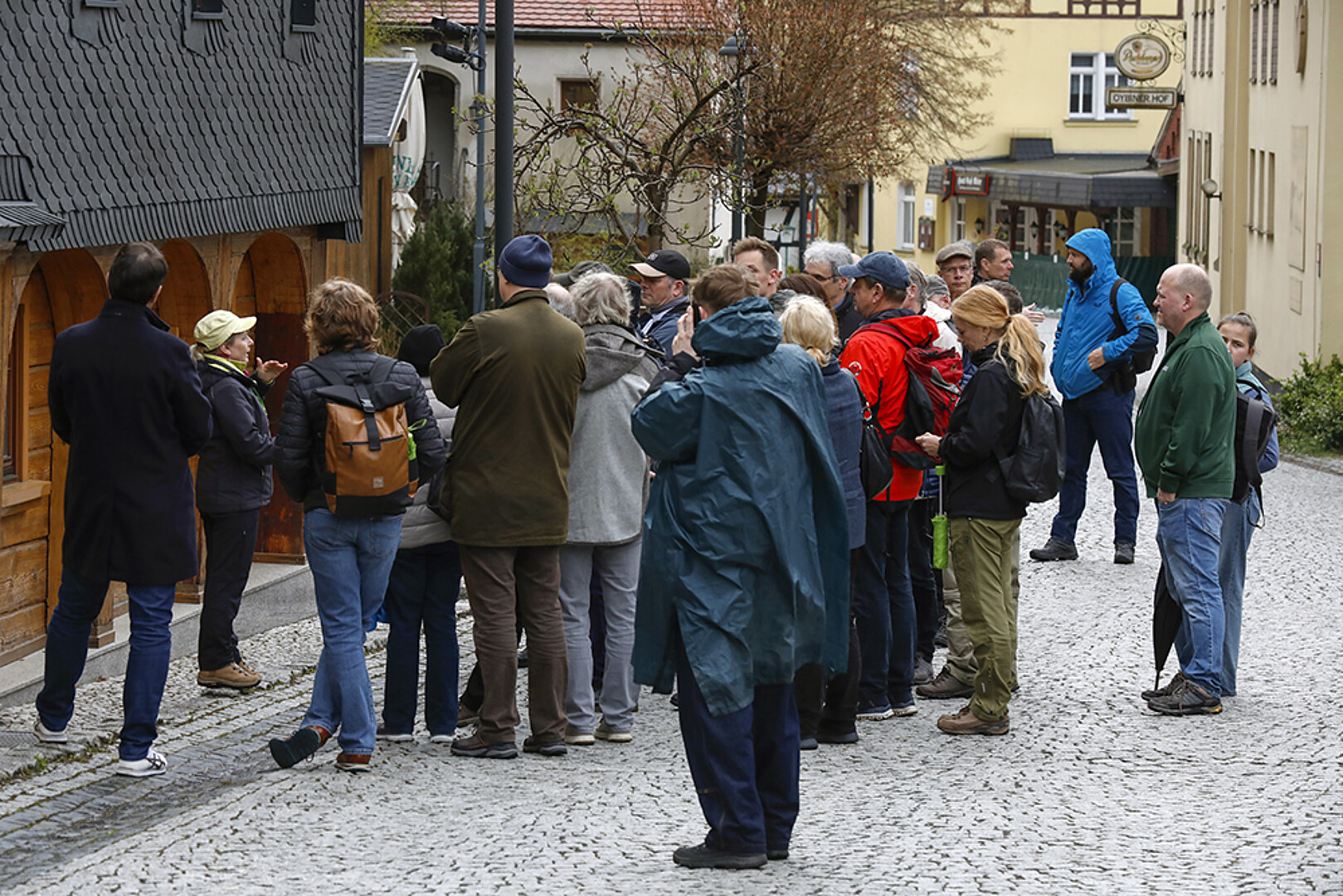
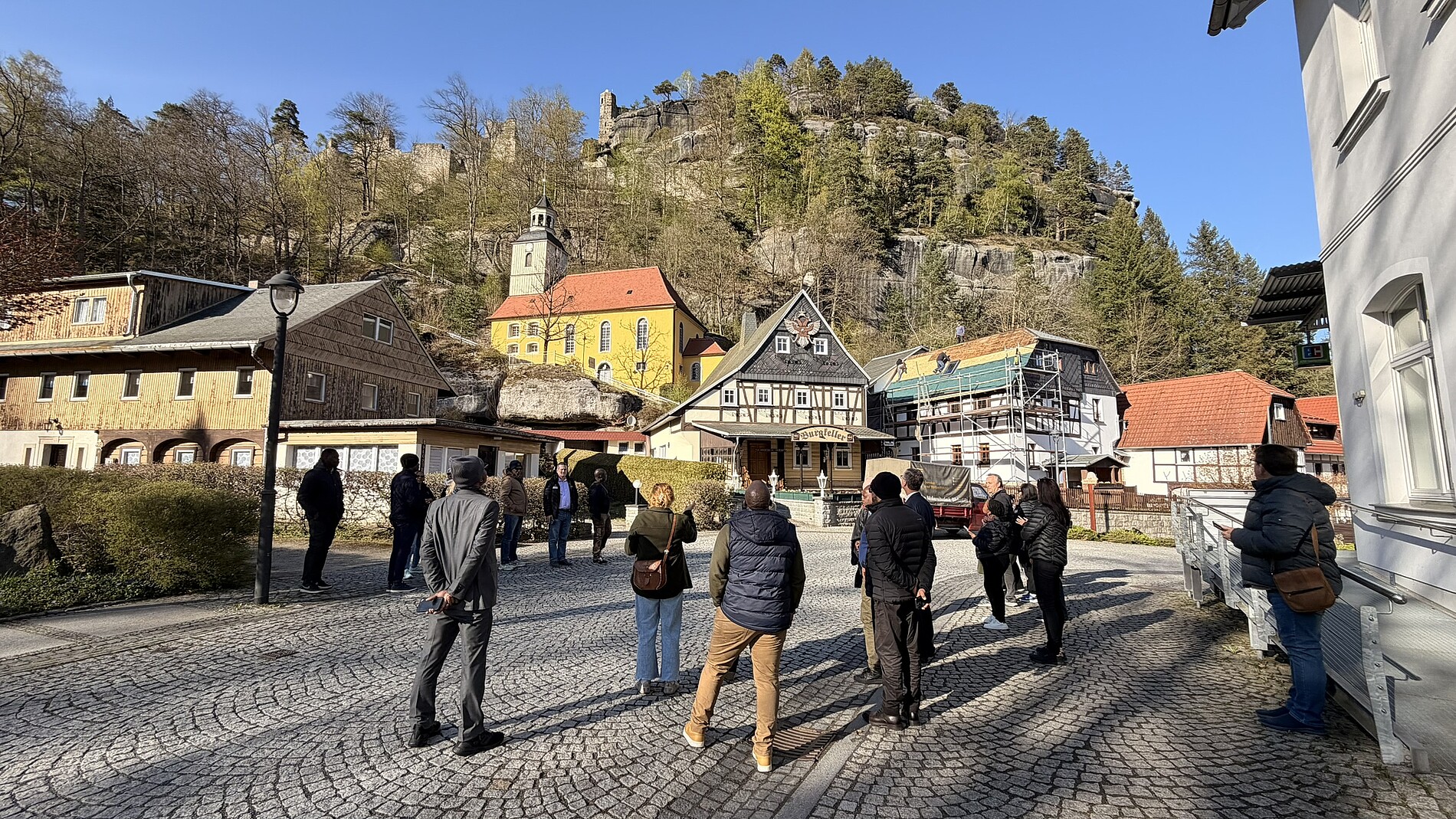
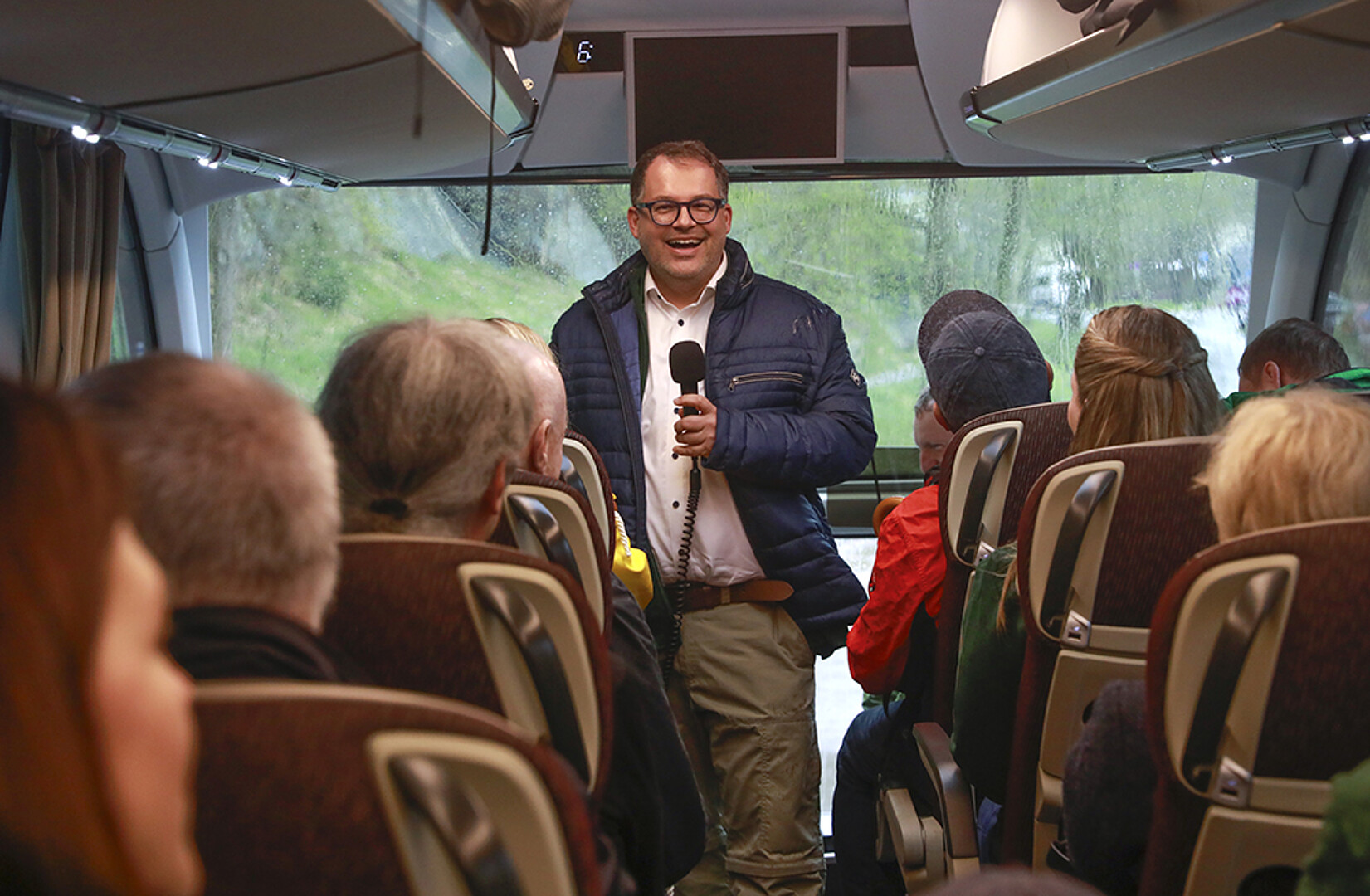
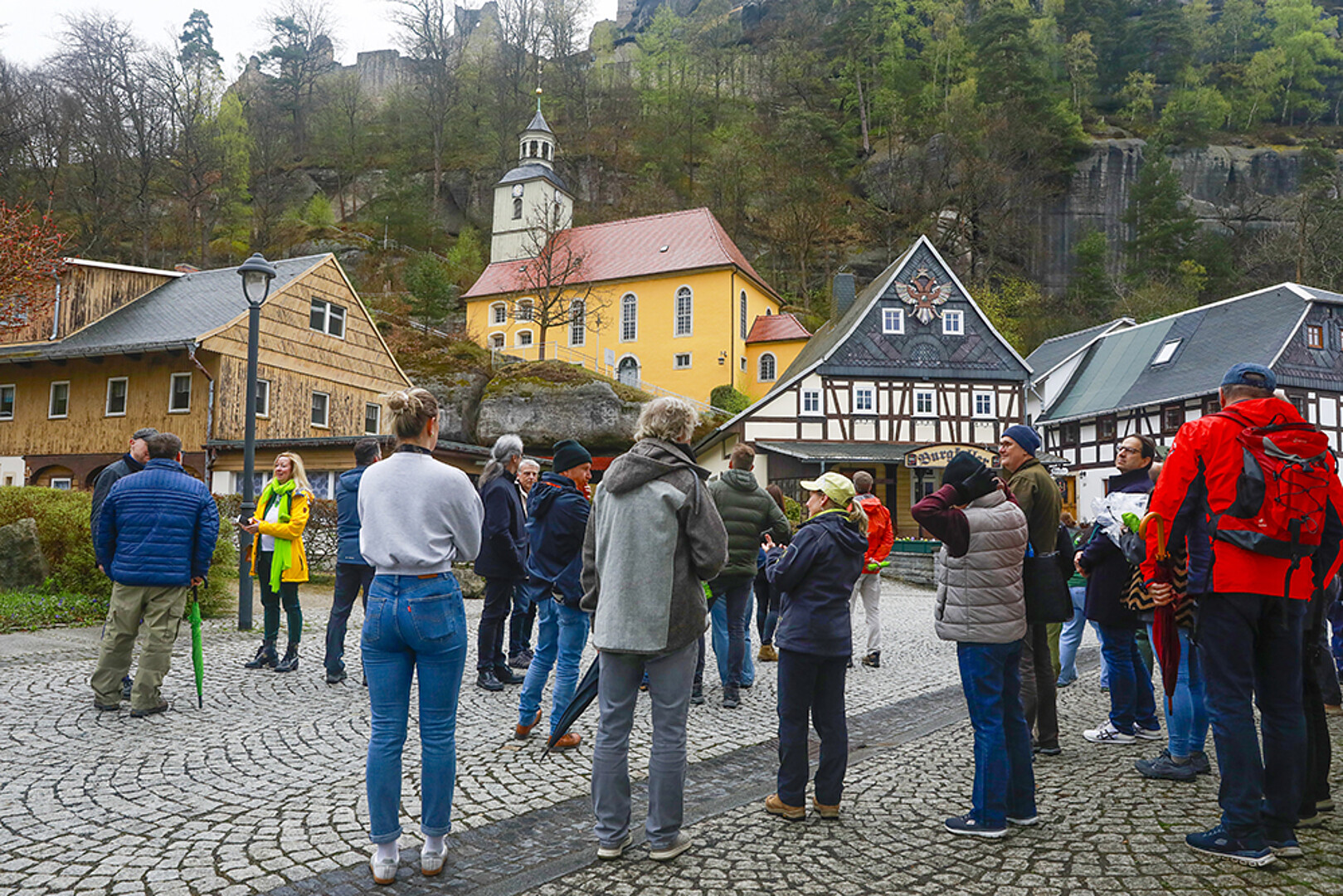
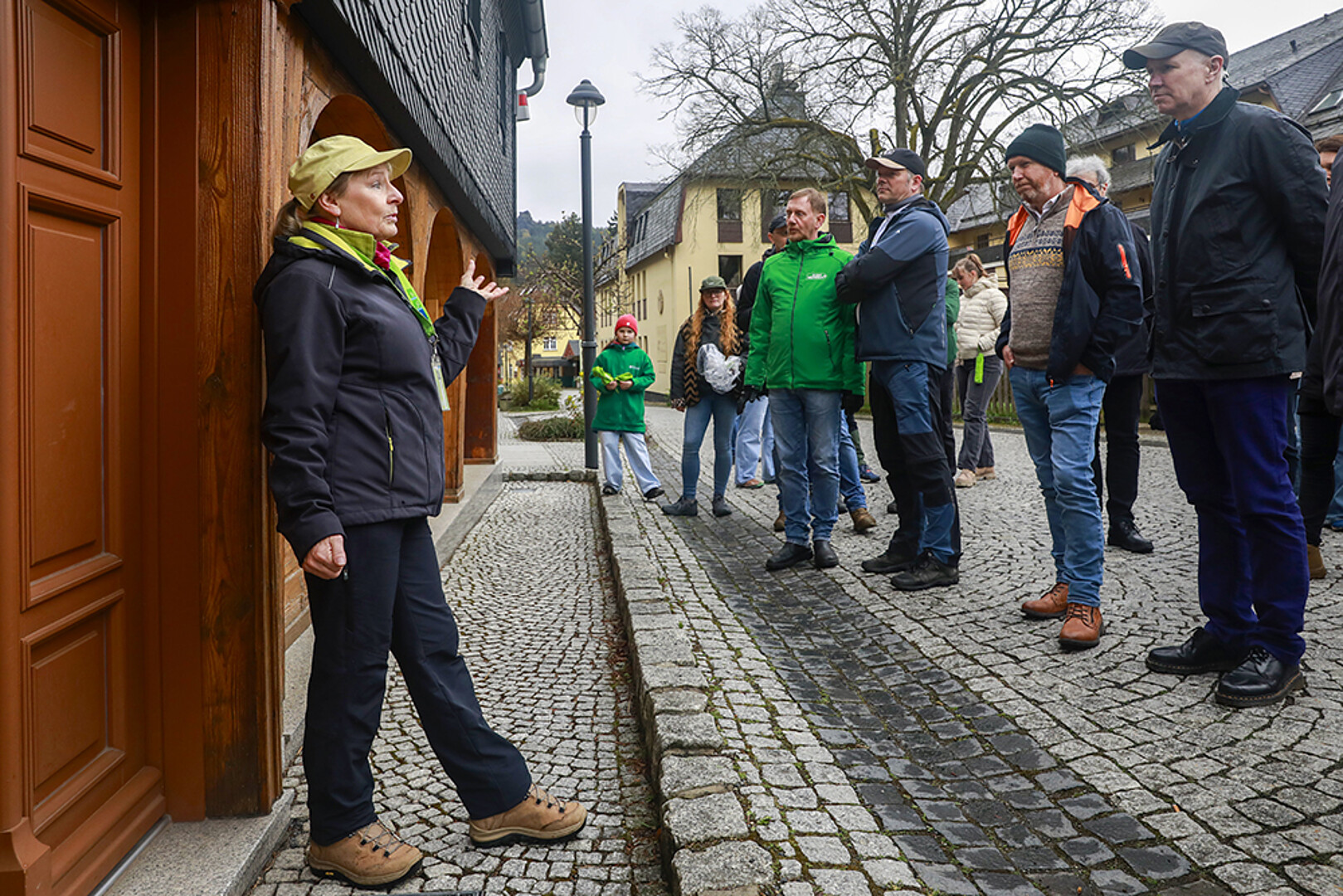
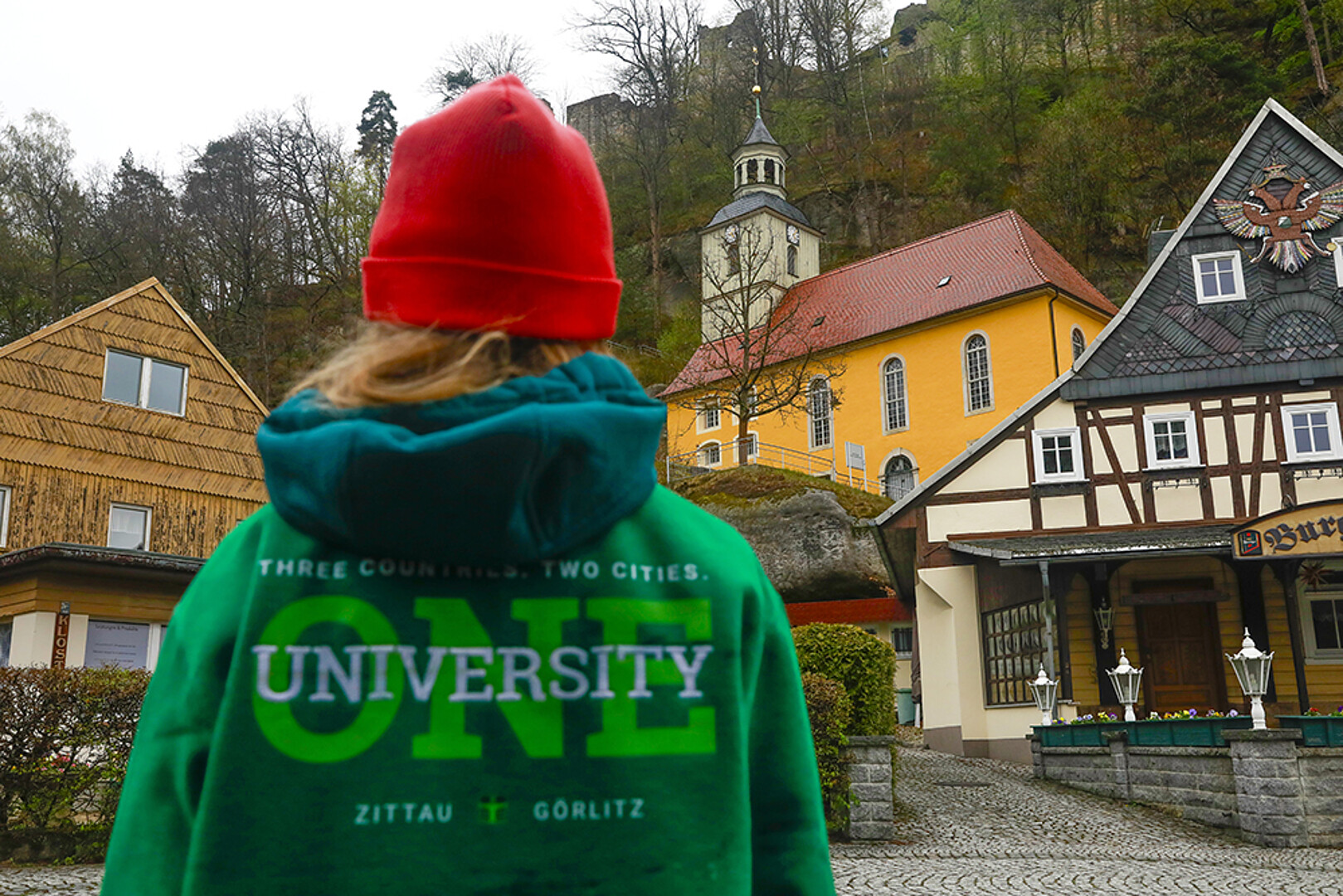
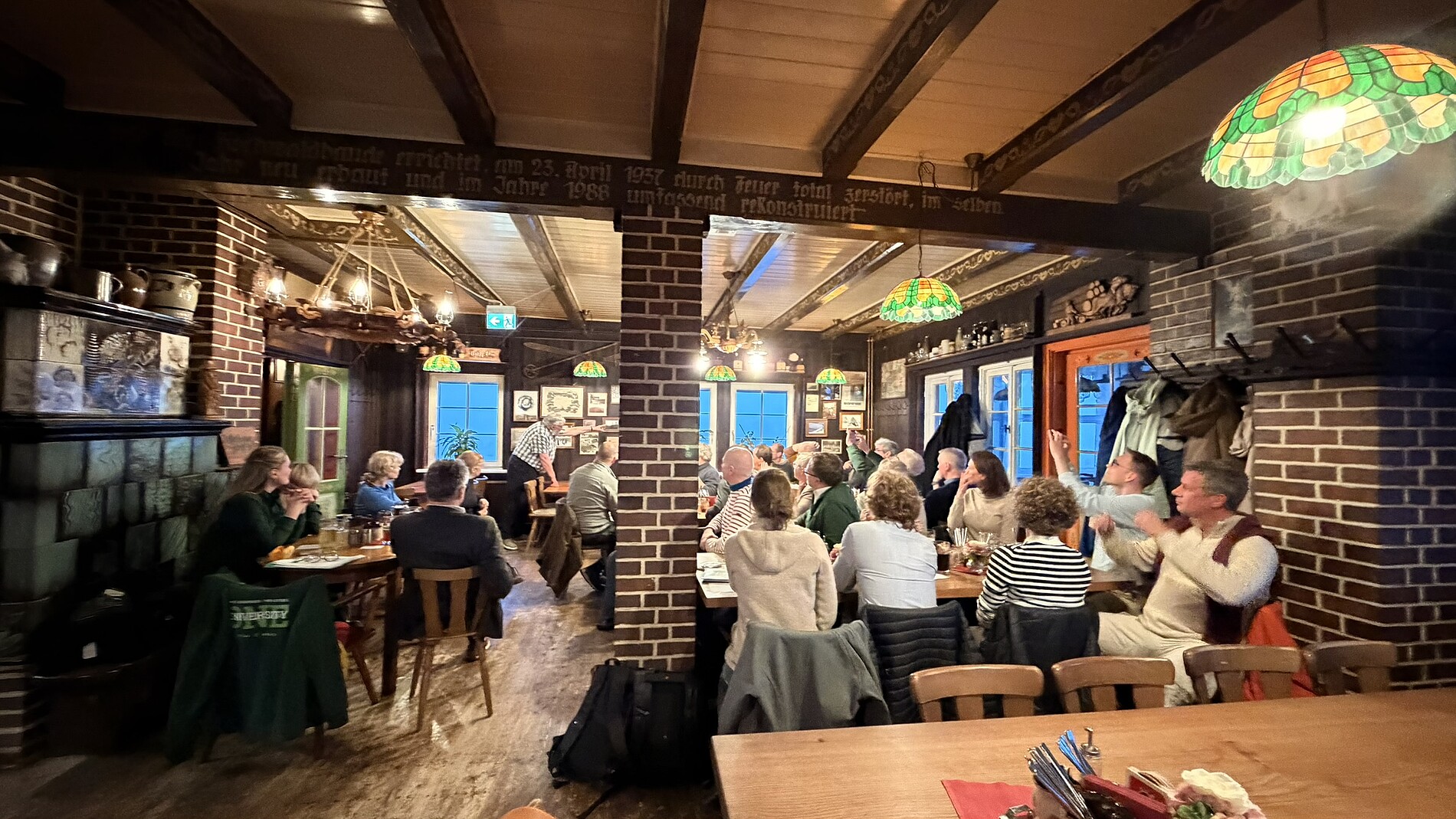
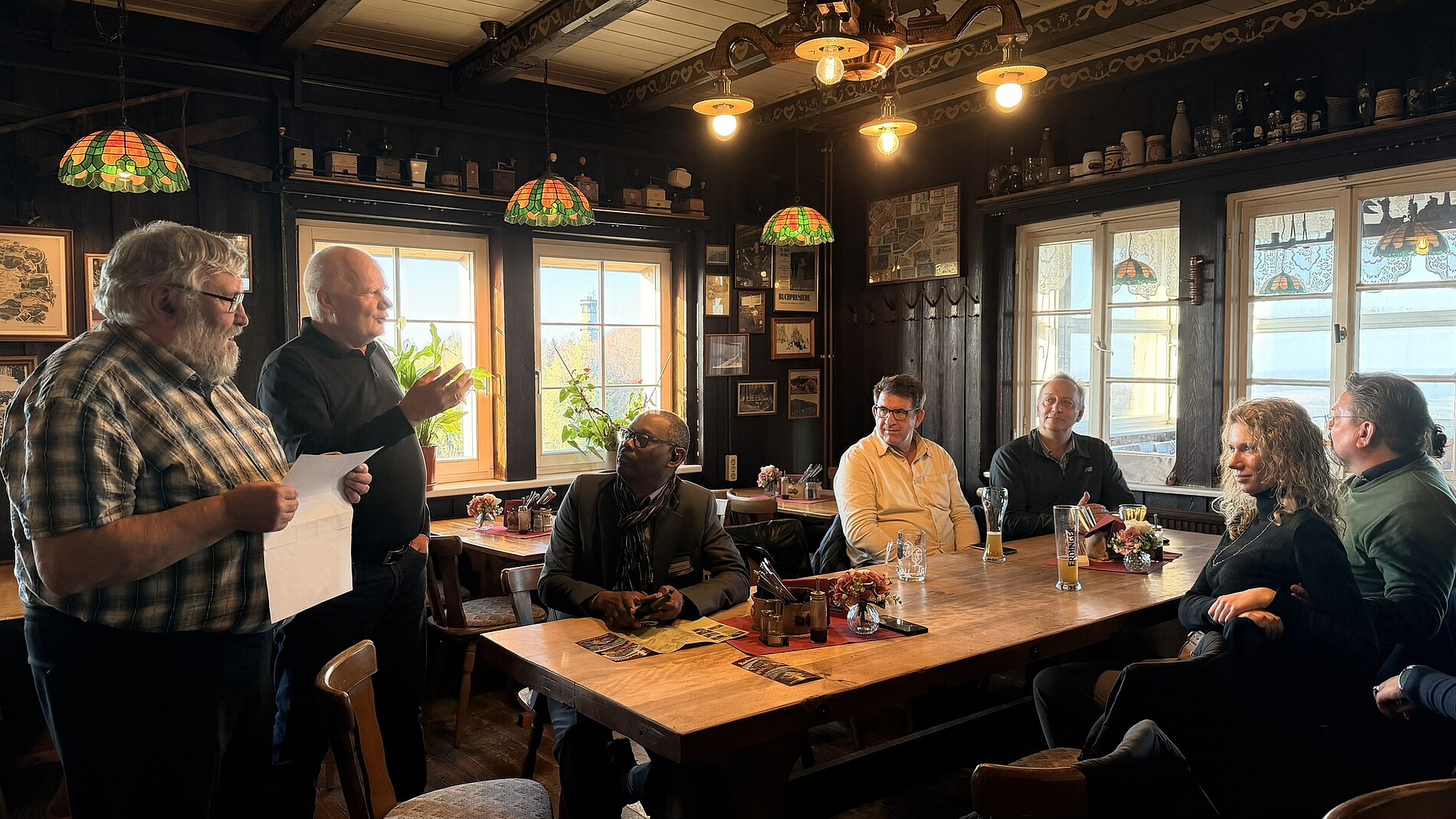
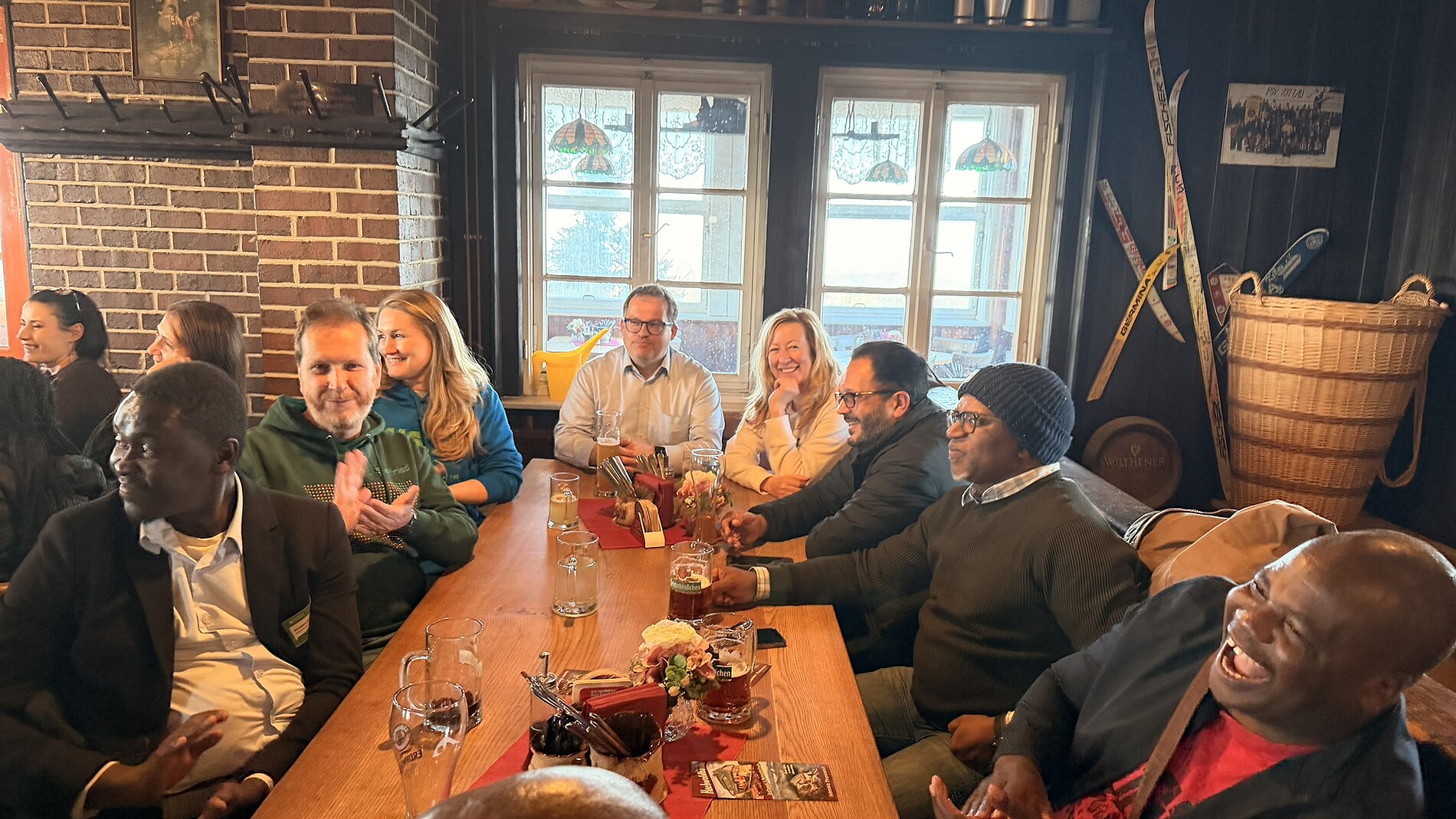
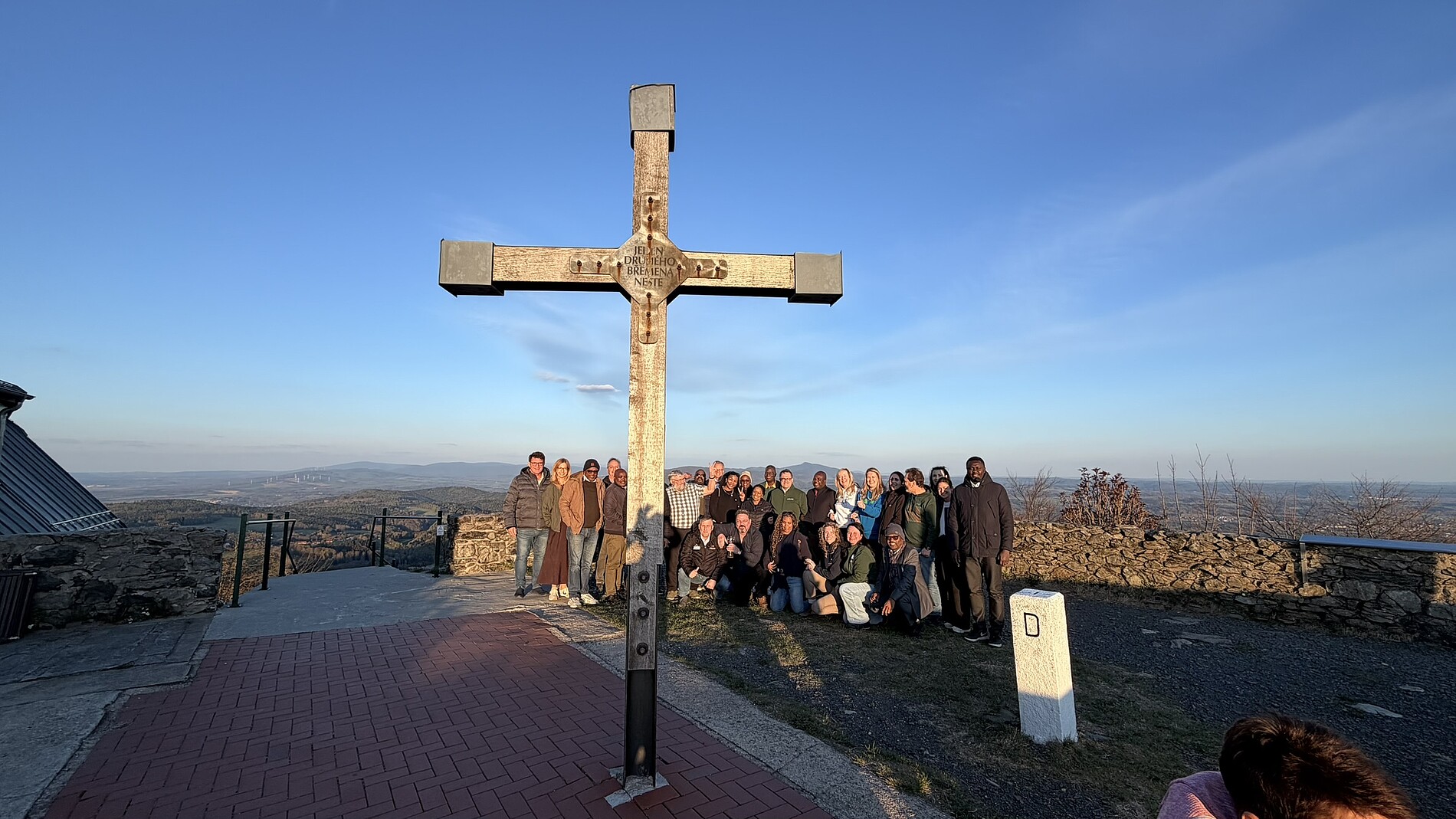
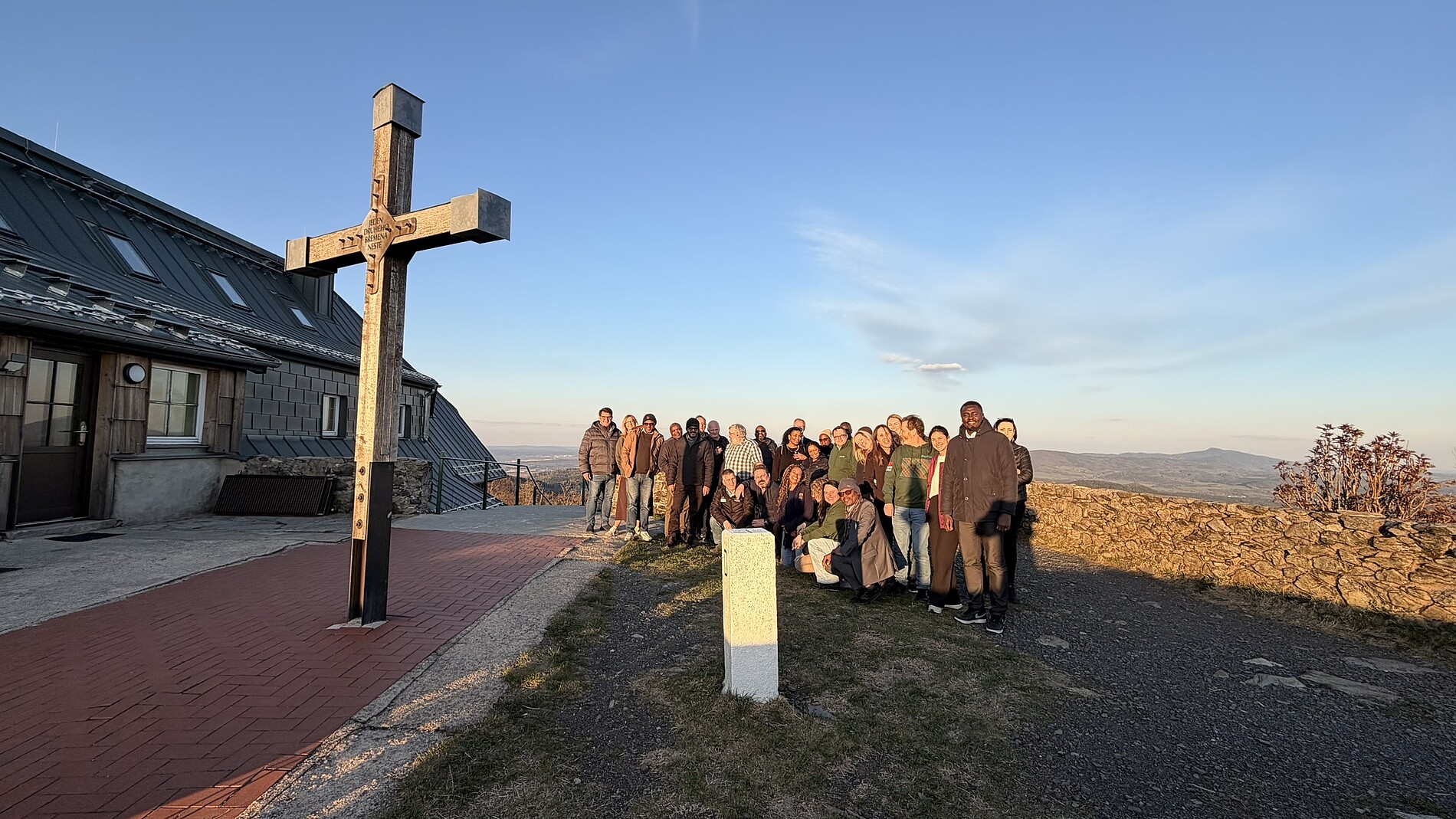
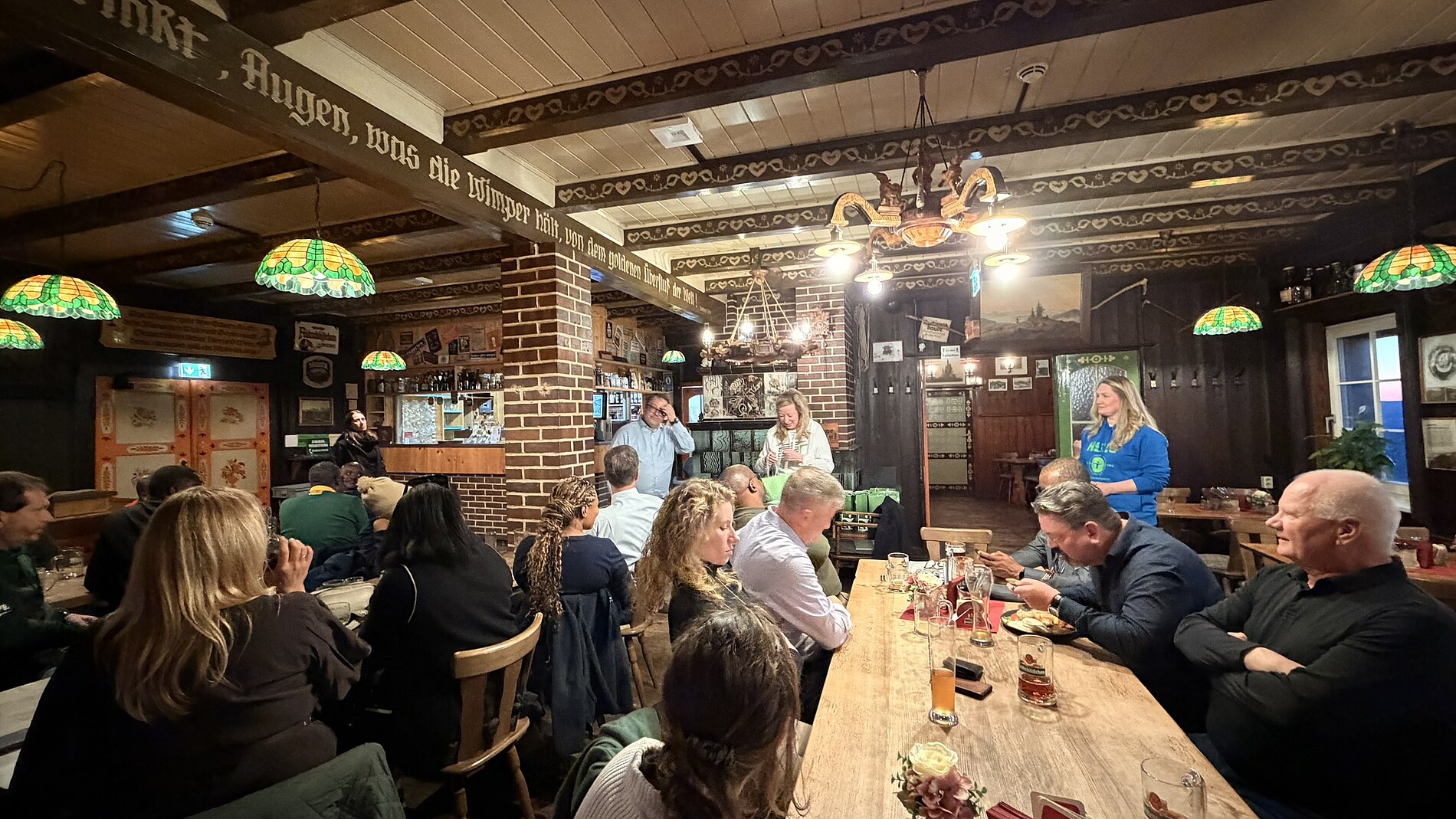
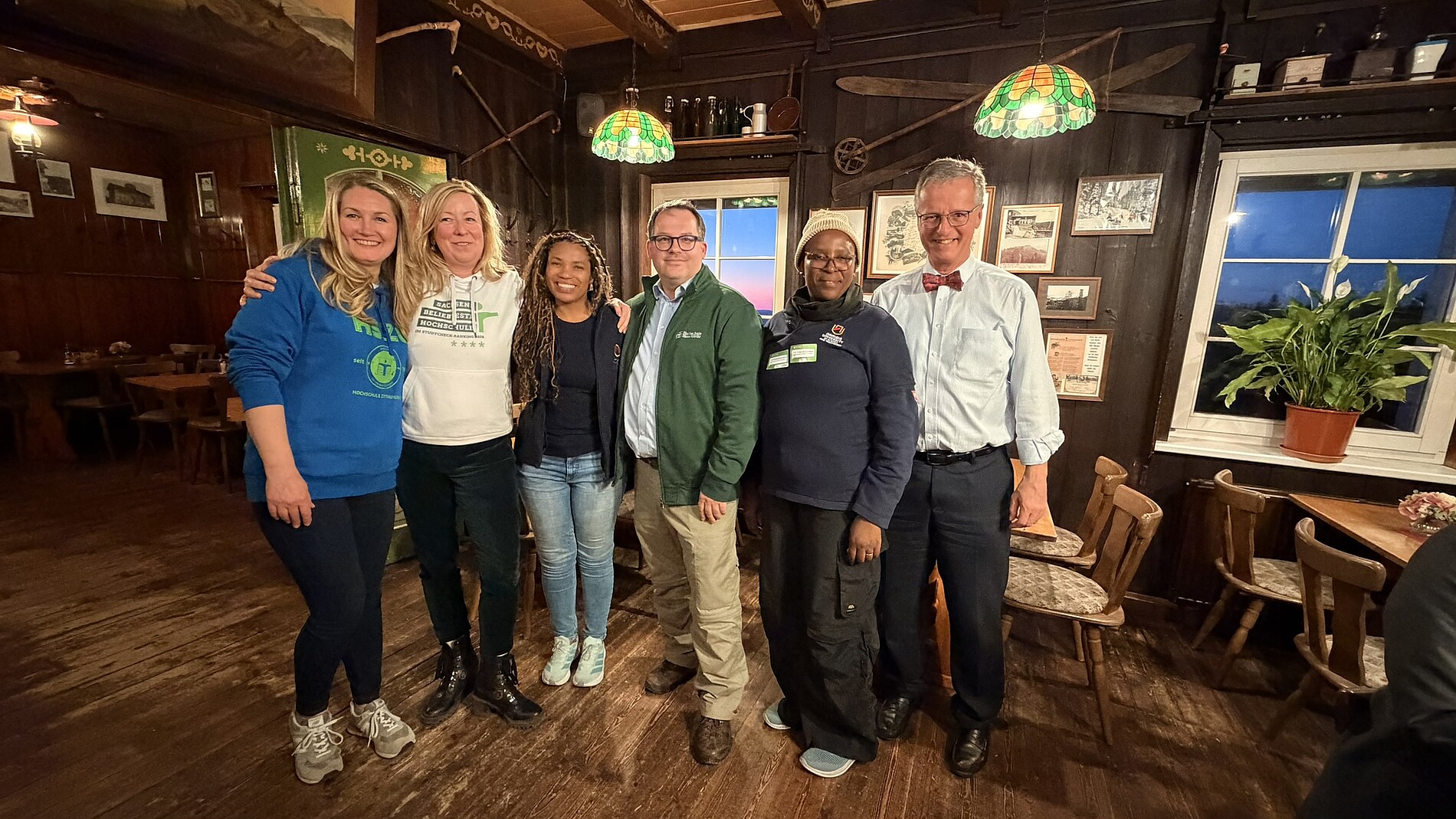
In addition to the joint hike with Minister President Michael Kretschmer to the Kelchsteine in the Zittau Mountains, a special highlight was an English-language guided tour of the historic spa town of Oybin. During the subsequent get-together at the Hochwaldbaude, the exchange continued in a relaxed atmosphere.
The numerous encounters, in-depth discussions, and jointly developed perspectives—set against the region’s stunning natural backdrop—left a lasting impression on the DHIK and the international guests and made one thing clear: Upper Lusatia is not only a place of change but also a place to which one gladly returns.
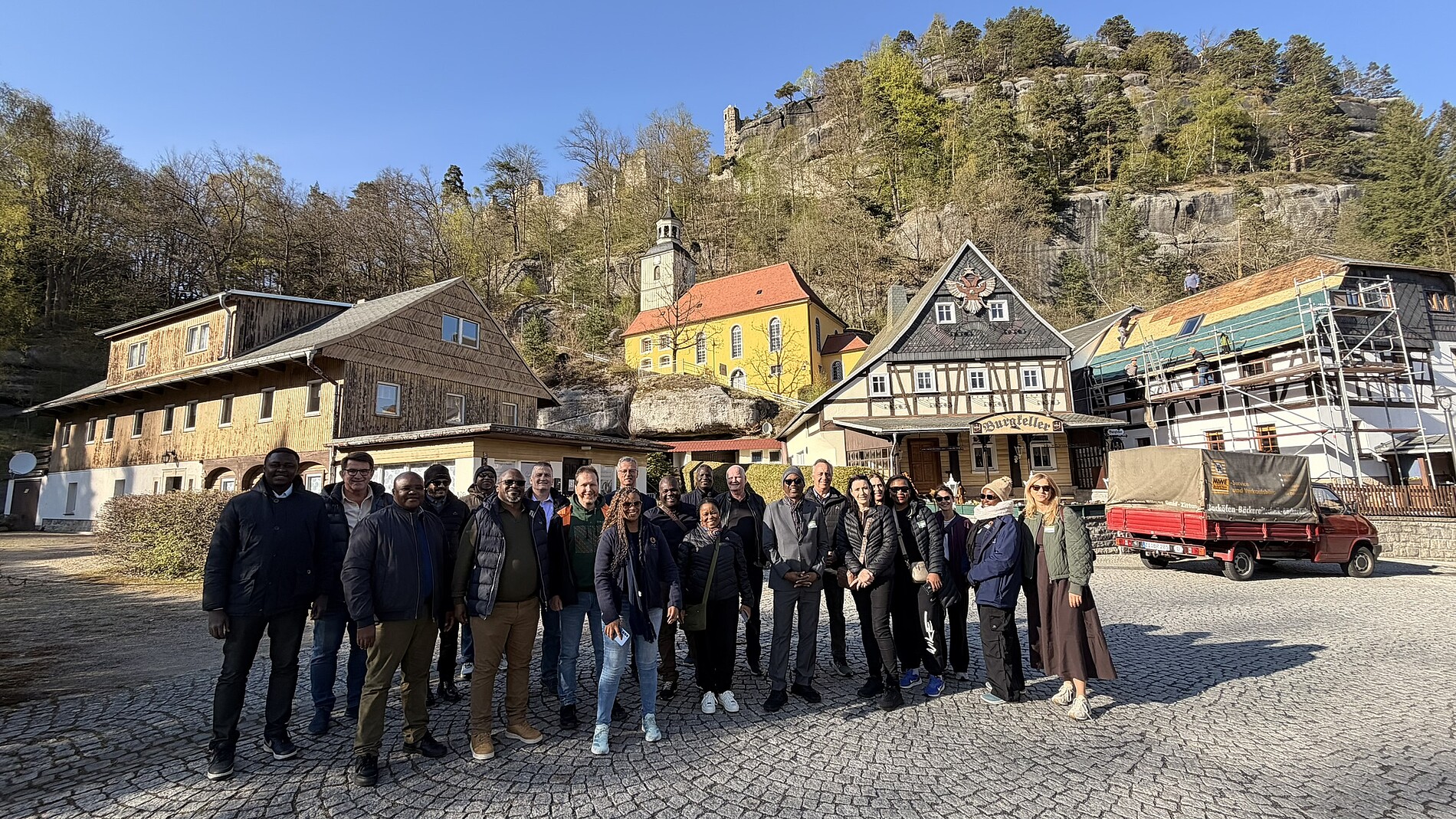

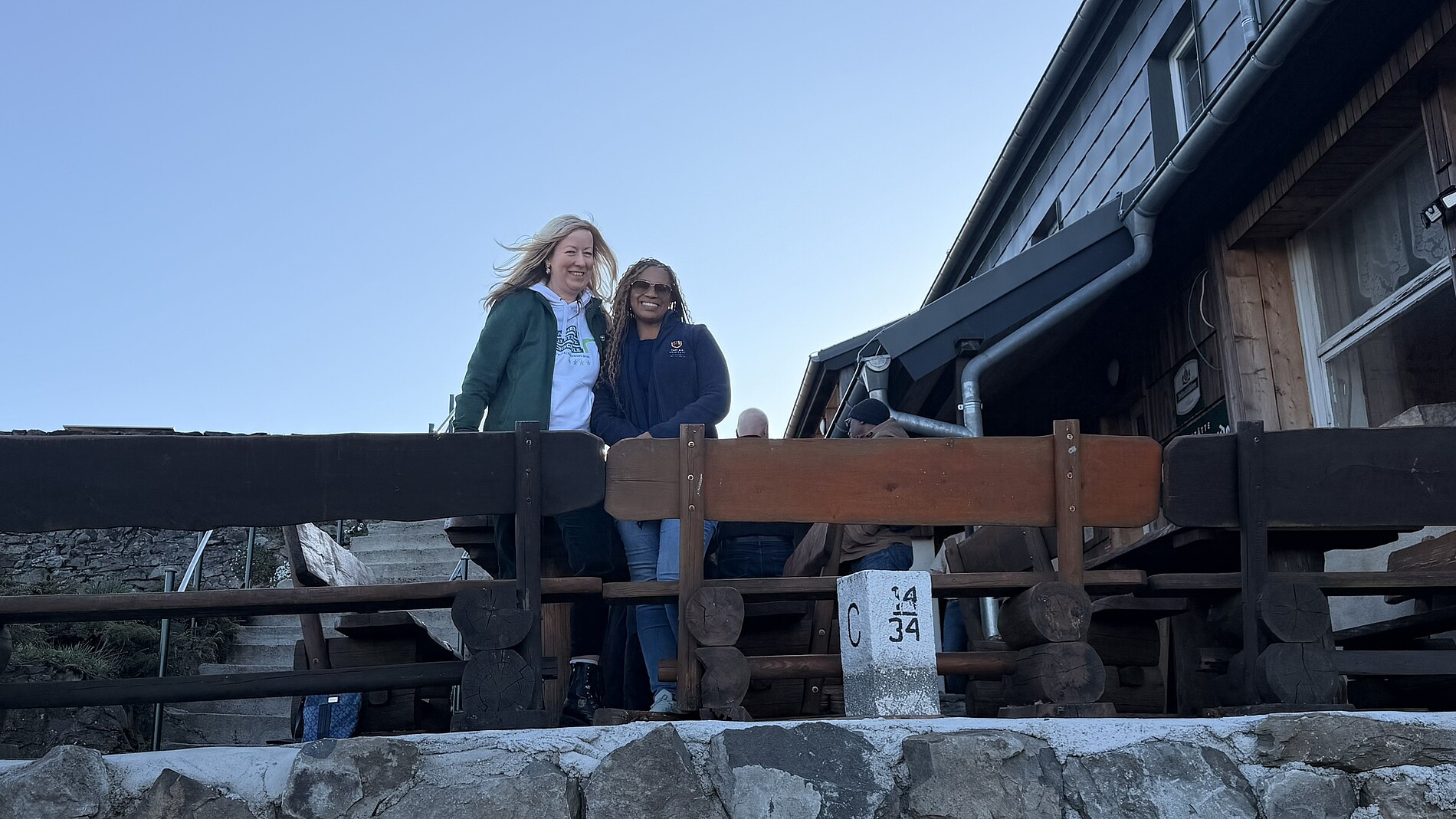
The Zittau/Görlitz University of Applied Sciences would like to extend its sincere thanks to all speakers, panelists, and guests from the worlds of politics, academia, and business for their valuable contributions to the DHIK Forum 2026.
We would like to extend our special thanks to the high-ranking representatives from federal and state government, international partner institutions, and regional stakeholders, whose insights and perspectives contributed to the success of the event.
We would also like to thank the German University Consortium for International Cooperation (DHIK) for its close and trusting collaboration, as well as the South African THENSA delegation for the in-depth exchange and joint discussions on potential cooperation initiatives.
Special thanks go to the organizing team led by Inna Hauf in the Prorectorate for Research, Knowledge Transfer, and International Affairs, as well as to all participating colleagues at the University of Zittau/Görlitz, whose great dedication made the planning and execution of the four-day DHIK event series possible.
We would like to express our sincere gratitude to Mario Linack from BARMER and to Sparkasse Oberlausitz-Niederschlesien for their kind support.
Text: Frank Leberecht and Cornelia Rothe
Photos: Rafael Sampedro

1st floor




First floor